Becoming a Diagnostician: Education, Programs, Work and Career Path
As healthcare technology and diagnostic tools continue to evolve, the need for skilled diagnosticians in the medical field has only increased. Diagnosticians are healthcare professionals who specialize in identifying and interpreting medical tests to diagnose illnesses and diseases. Becoming a diagnostician can be an exciting and rewarding career choice, but it requires a specific education and training path. In this article, we will discuss the education and programs necessary to become a diagnostician, the work of a diagnostician, and the career path available to aspiring diagnosticians.
Education and Programs
The path to becoming a diagnostician typically starts with earning a bachelor’s degree in a relevant field such as biology, chemistry, or medical laboratory science. Some diagnostician programs may also require prerequisite courses in anatomy, microbiology, and physiology.
Students can pursue a master’s degree or postgraduate certificate in medical laboratory science. These programs focus on advanced laboratory techniques and diagnostic procedures, including hematology, immunology, and clinical chemistry. Students may also participate in clinical rotations or internships to gain hands-on experience in diagnostic procedures.
Certification is essential for diagnostician programs. These certifications demonstrate a diagnostician’s knowledge and skills in the field and may be required by employers.
Work of a Diagnostician
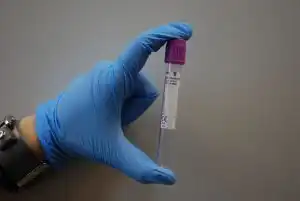
Diagnosticians play a critical role in the healthcare industry, using their skills and knowledge to diagnose illnesses and diseases. They work with physicians, nurses, and other healthcare professionals to collect and analyze samples, such as blood, tissue, and body fluids, to identify the presence of diseases and infections.
Diagnosticians are responsible for conducting and interpreting a wide range of diagnostic tests, including blood tests, urine tests, and genetic tests. They also operate complex laboratory equipment and software to analyze test results and prepare reports for physicians and other healthcare providers.
In addition to performing diagnostic tests, diagnosticians are responsible for maintaining accurate records and managing laboratory inventory.
Career Path
Career opportunities are available for skilled diagnosticians. Some common career paths for diagnosticians include:

Medical laboratory technologist: Technologists perform diagnostic tests and analyze results.
Pathology assistant: Pathology assistants work under the supervision of a pathologist to help prepare and analyze tissue samples for diagnosis.
Clinical laboratory manager: Managers oversee laboratory operations, including staffing, budgeting, and quality control.
Medical laboratory scientist: Scientists conduct research and development on new diagnostic tests and technologies.
Becoming a diagnostician is a rewarding career choice. Diagnosticians have a bachelor’s degree, master’s degree, postgraduate certificate, and professional certification. Diagnosticians play a critical role in the healthcare industry, conducting diagnostic tests and analyzing results to diagnose illnesses and diseases. With the growing demand for skilled diagnosticians, there are many career opportunities available in this exciting field.