Top 10 African countries that contributed to Slave trade
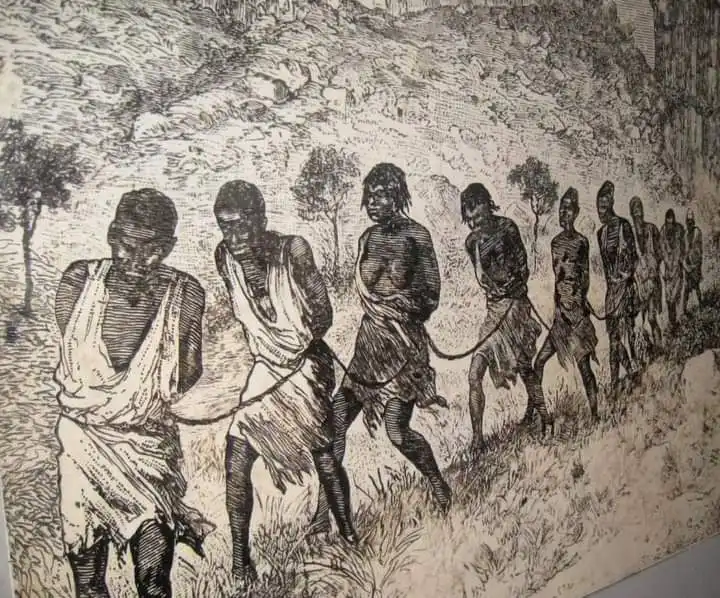
The slave trade is defined as the buying and selling of humans to serve as slaves. In total, 10 African countries have been identified as having contributed to the slave trade on the continent. Sadly, these African countries have suffered negative consequences for engaging in the slave trade and for creating fertile grounds for it to flourish.
Before the partition by Europeans, the slave trade existed in Africa prior to their involvement.
In the early 15th century in Africa, people became subjected to powerful or wealthy individuals and were treated unfairly compared to others.
The top 10 African countries that contributed to Slave trade
1. Benin
The main market for the export of slaves was in the Kingdom of Dahomey (now Benin), which was heavily involved in this trade and profited from it. The Kingdom of Dahomey raised the prices of slaves, attracting the attention of the more powerful Oyo Empire, which ultimately led to its downfall in the 1740s.
Therefore, Benin could not be left off the list of African nations involved in the slave trade.
2. Morocco
Morocco took part in the slave trade, with major slave markets in Tangiers, Marrakesh, and Fez, where slaves were sold on the streets. During the many wars of expansion fought by the Alawite Dynasty, they captured many Africans and sold them as slaves to the Middle Eastern empires. The slave trade in Morocco finally ended in 1950.
This puts Morocco firmly on the list of African nations involved in the slave trade.

3. Algeria
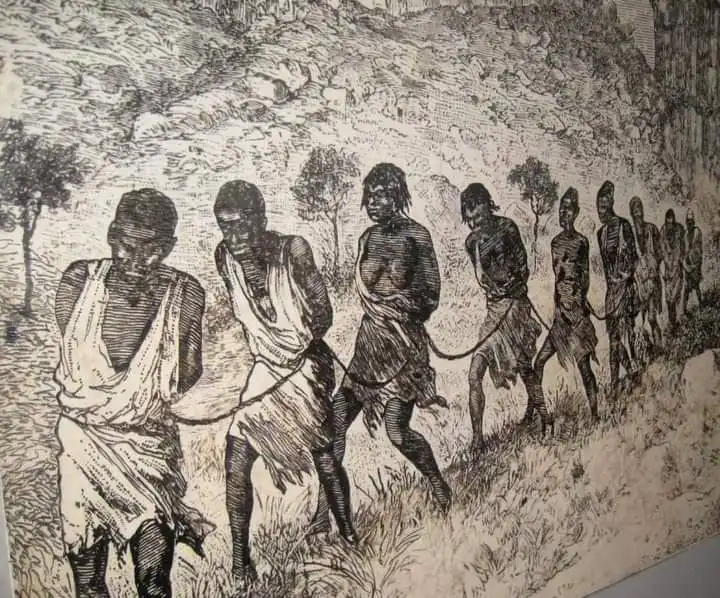
Algiers was a state in Algeria that existed from 1518 to 1830 and was part of the Ottoman Empire. It played a significant role in the slave trade, enslaving both Africans and Europeans through raids conducted alongside the Barbary pirates.
The slave trade in Algeria lasted until 1830, when the war with the French led to the end of Ottoman rule in Algeria.
4. Egypt
Egypt was a major player in the Trans-Saharan and later the Atlantic slave trade. It began in 641 AD with the Muslim conquest of Egypt by the Rashidun Caliphate.
Later, Egypt became part of the Ottoman Empire in the 1500s. It is estimated that millions of slaves were taken from Egypt to Asia. The slave trade ended in the 1900s after immense pressure from the British.
5. Cameroon
Slaving activities in Cameroon lasted from 700 to 1900 AD. By around 900 AD, the major trade commodity of the empire was slaves, with approximately 5,000 slaves being traded annually by the end of the 15th century.
Initially, slaves were sold in the Trans-Saharan slave trade. However, Cameroon eventually became involved in the Transatlantic slave trade as well, with around two million slaves having walked through the slave routes of the empire.
6. Kingdom of Allada
The Kingdom of Allada was a coastal kingdom located in southern Benin. It reached the peak of its power in the 16th century, when it became a center for the Atlantic slave trade and a significant source of slaves.
Slaves were captured through raids and attacks on enemy kingdoms. These captives were then sold to European slavers who transported them to the Americas.
7. Aro Confederacy
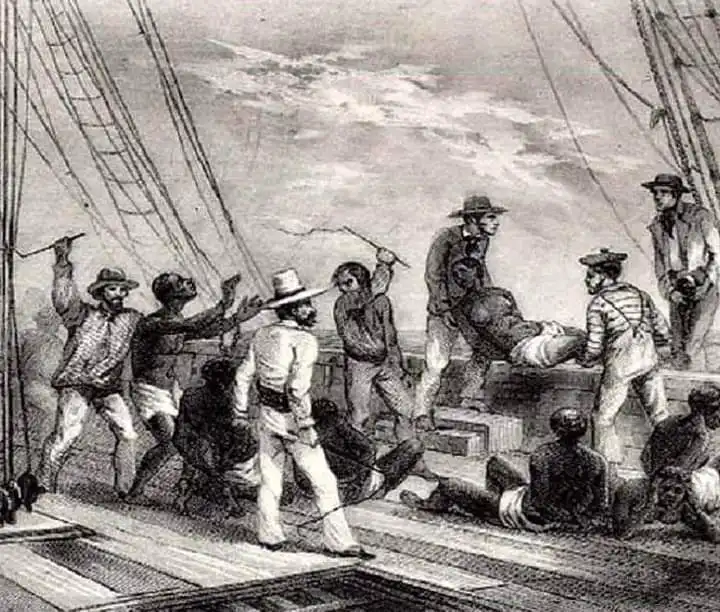
The Aro Confederacy was a political union located in present-day southeastern Nigeria. The Igbo people, who were part of the Aro Confederacy, were among the leading exporters of slaves to Europe and the Americas from 1690 to 1902. Estimates indicate that approximately 850,000 slaves were exported overseas. The Aro Confederacy was, therefore, a significant player among African nations involved in the transatlantic slave trade.
READ: 9 African Countries That Changed Their Names And Why
8. Ghana
The Ghana Empire, which emerged in the 1700s, actively participated in the slave trade until the 19th century. The economy of Ghana was primarily based on the trade of gold and slaves, while their army served as a tool to capture more Africans and force them into slavery. War captives were either kept as slaves within the empire or exported across the Atlantic Ocean to the Americas.
9. Songhai Empire
The Songhai Empire was one of the largest states in African history and was located in West Africa. The slave trade played a significant role in the empire’s economy. Slaves were extensively used within the empire itself to transport goods, while literate slaves had opportunities to become government officials. However, many were also sold into slavery outside the empire.
READ: Success is my slave – Poem
10. Mali
Slave trading in the Mali Empire lasted from 1235 to 1670 AD. The empire was heavily involved in trade, including the trans-Saharan slave trade. Slave labor was common, and the export of slaves was widespread. Thousands of people were enslaved through raids and wars waged by the Mali Empire over the years.
Slavery in Mali was finally abolished by the French after the country was colonized.