Low remuneration in public sector must be addressed – Dr. Kwabena Otoo
The low remuneration in the public sector is fuelling public agitation and this has been worsened by the 4% pay rise which workers feel is too low given current economic conditions.
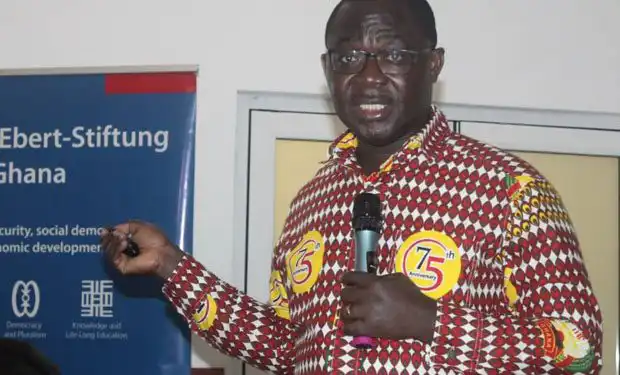
Dr. Kwabena Otoo, who is the director of research at the Trade Union Congress’ Labour and Policy Institute, has called on the government to take action against public sector pay disparities so as to maintain industrial peace and unity throughout the country.
Low remuneration in the public sector and the 4% rise
According to Dr. Otoo, in their discussions with the government, they were told that although if Covid-19 put a burden on the economy, the budget could support any big rise in salaries above and beyond the 4 percent agreed upon.
To Dr. Otoo’s knowledge, the best arrangement that all parties could get to was a 4 percent raise for everyone, because the government had initially sought to freeze any increase in pay based on Covid-19’s impact.

“With the figures put out by the government during our negotiations, and the general impact of Covid-19 on economies across the globe, the government had wanted to freeze any salary adjustments but we had to jaw to arrive at the current 4% increase to support workers under the prevailing circumstances.
We appreciate that workers would have wanted a more significant increase in wages to mitigate the effects of Covid-19 on them, we were hard-pressed in the discussions with the employer( government ) holding out for a zero percent adjustment due to the constraints Covid-19 has placed on government expenditure and as such we had to arrive at a common ground which suits all parties under the circumstances”.
WANT TO PASS 2027 BECE? REGISTER FOR BECE HOME MOCK
Register your ward for Ghana's premier Home Mock service, active since 2022.
The doctor also acknowledged that salaries in the nation are typically low and urged the government to work diligently to rectify the disparities that exist within the public sector’s compensation system.
A decade after Single Spine Salary was introduced, he said, the difference has become much wider and has caused tension in government over time.

It was his plea that the government set up an impartial Presidential Commission to examine the wage structure of government employees, and provide suitable suggestions for maintaining industrial peace and concord.
ALSO READ: 20 Ways to know if you are proud – Doçtor Kwadwo Ye-large
“ Generally, we admit that salaries are really low in Ghana and there exist huge inequality gaps In the payment structure in the public sector which has been widened by the Single Spine Salary structure which was introduced over a decade ago. Sometimes people who are in certain positions in the public sector, do not get commensurate pay for the jobs they do whilst others are getting better salaries in the same space which is causing friction in the service.”
Read: SSNIT Pension Plan is very generous, Take advantage of it – SSNIT Boss
“The government as a matter of priority must move beyond verbal commitment to action, by setting up an independent Presidential Commission to do a holistic review of the payment structure of the public sector and make appropriate recommendations that would settle the age-old inequality gaps in remuneration in order to preserve industrial peace and harmony which facilitates the continued growth and development of the public service for the benefit of the country”.