
Beyond Ghana: The Poor 2025 WASSCE Results Crisis as a West African Challenge
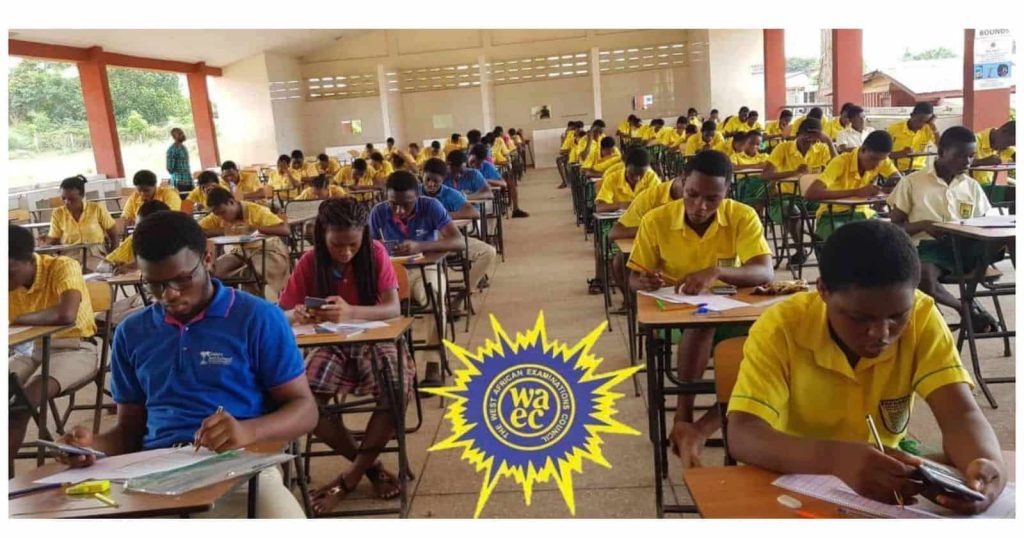

The devastating results of the 2025 WASSCE in Ghana, marked by a nearly 18-percentage-point drop in Core Mathematics passes, signal a deep-seated crisis. While Ghana historically outperforms its neighbours in WASSCE results, achieving generally higher pass rates (often between $60\%$ and $70\%$ in core subjects, compared to Nigeria’s $50$–$60\%$, Sierra Leone’s $40$–$50\%$, and Liberia’s $30$–$40\%$ in recent years), the 2025 performance suggests a dangerous convergence toward the lower regional standard.
Ghana’s core subjects are now flirting with the low-performance rates that have plagued other WAEC member countries like Sierra Leone, where a poor foundation in English has been identified as a critical factor in overall failure. The crisis is a regional one, but Ghana’s sudden collapse demands an urgent focus on the key human variable: the teacher.
Policy Recommendations: Reversing the Teacher Motivation Crisis
The correlation between teacher motivation/remuneration and student academic performance is strongly supported by research across West Africa. Low salaries, delayed payments, and poor working conditions directly lead to absenteeism, lower self-esteem, high turnover, and reduced teaching effectiveness.
To address the teacher crisis, policy must shift its focus from hiring to retention, reward, and professional dignity :
1. Equitable and Performance-Based Remuneration
Implement a Fair Merit Pay System: Instead of relying solely on across-the-board wage increases, compensation should link to measured performance, skills demonstrated in the classroom, and student achievement. This provides both incentive and recognition.
Prioritize Allowances and Benefits: Ensure the timely and adequate payment of non-monetary and administrative benefits, such as transport, housing/accommodation, and deprived area allowances. These factors are critical for job satisfaction, particularly in rural and marginalized communities.
Establish a Living Wage: Teacher salaries must be sufficient to meet a family’s basic needs and enhance career pride, lifting the profession above being the “last resort”.
2. Professional Development and Collaboration
Invest in Continuous Training: Teachers must receive adequate training and support, particularly in adapting to new curricula and integrating digital tools in the classroom.
Foster School-Level Collaboration: Encourage structured dialogue, shared planning, and internal reflections among teachers (Professional Learning Communities). When teachers collaborate and share success, their motivation and perceived self-efficacy increase, positively impacting student outcomes.
Strengthen Screening and Quality Control: Implement improved screening mechanisms for new teachers, potentially using practical sample lessons to assess likely effectiveness, and consider a ‘fast-track’ hiring stream with steeper pay growth to attract the best talent.
3. Enhance Teacher Governance and Respect
Establish Professional Bodies: Ministries of Education should create professional representative bodies for teachers, offering a platform for debate and discussion beyond industrial relations and salary negotiations, thus restoring professional dignity.
Improve Administrative Efficiency: Decentralize processes and appoint an Ombudsman to ensure open communication and prompt resolution of administrative issues (like delayed pay and benefits) that severely erode morale.
The decline in Ghana’s WASSCE results is a harsh reminder that an educational system is only as strong as its teachers. Without a concerted national effort to genuinely empower, equip, and fairly compensate its educators, academic standards will continue to sink.

| LATEST EDUCATION STORIES |
| [display-posts posts_per_page="10" include_date="true"] |
| View All Breaking News → |

 Why GES’ January 8th School Reopening Must Be Changed To 13th
  Poor 2025 WASSCE Results: A National Shame Unmasked by Strict Invigilation
  2025 WASSCE results suggest Nana Addo’s Free SHS WASSCE results were artificial passes, cosmetic and manipulated
  No Islamic School Will Entertain Christian Values and Doctrines in Ghana: Let’s Be Honest About Religious Freedom in Islamic Schools
 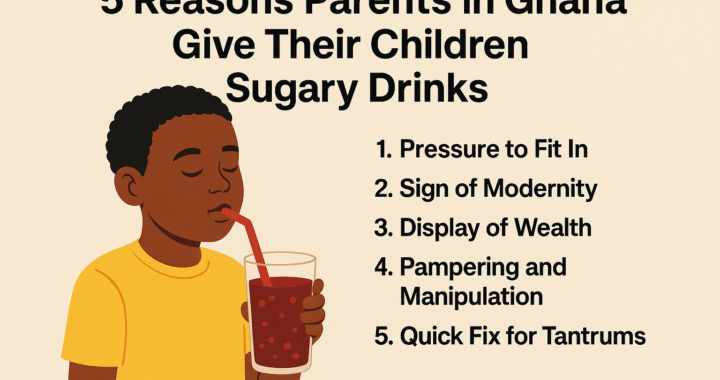 5 Reasons Parents in Ghana Give Their Children Sugary Drinks: No4 Is More Dangerous
  How parents are “Killing” school children with sugary drinks in Ghana
  Take Free 2026 BECE Online Mocks: Over 10,000+ Questions Uploaded
  Grab BSc, MSc, and PhD Full Scholarships From the 100 Top World Scholarships
  GES Issues Stern Warning to Teachers: New Disciplinary Measures for ‘Besieging’ National Office and Side-Stepping Regional Structures
  Parliament Passes Act 1023: Private Universities Given 6-Year Ultimatum to Secure Charter or Face Sanctions