
Girls’ Education: Ensure every girl returns when schools reopen
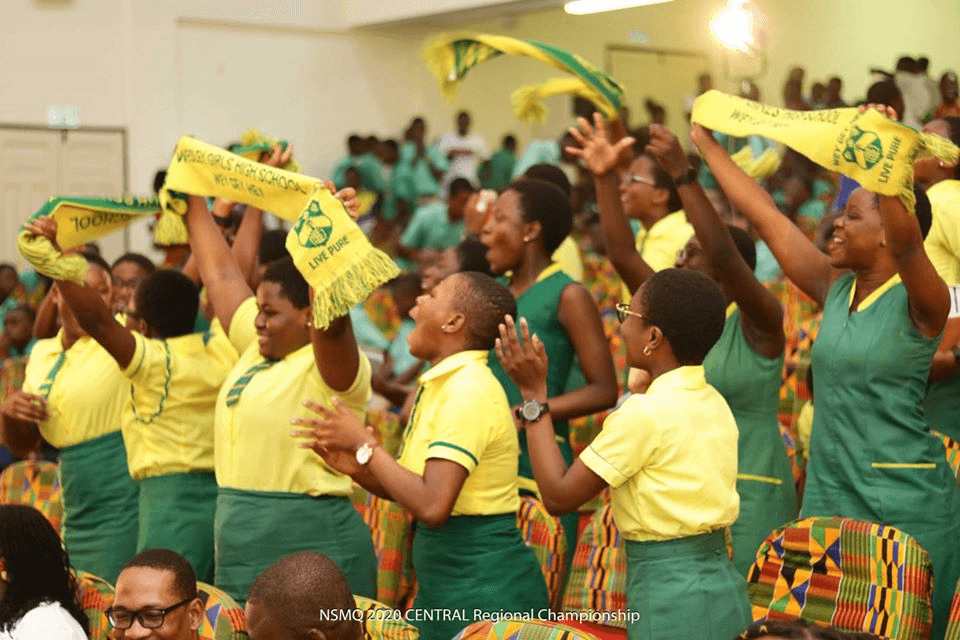

Girls’ education is a deliberate development priority that has contributed to lifting households, communities, and countries out of poverty. In the developed world, girls have a conducive learning environment that enables them to complete their education with the knowledge to access the best opportunities.
However, the same cannot be said about the developing world where many girls drop out of school very early. According to UNICEF, millions of girls are out of school at the lower levels of education in the developing world.
In Ghana, poverty is a key reason for a parent’s inability to successfully put a girl child through education. The outbreak of COVID-19 has deepened poverty and the effect is already felt in Ghana. Once a girl drops out of school, she becomes vulnerable to teenage pregnancy and child marriage. It is sad to relate, therefore, that, Ghanaian dropout girls are among the over 41,000 girls under 18 years who marry every day globally, according to the World Bank. The situation has been aggravated by the Covid-19 induced school closures and does not portend well for Ghana’s progress towards the attainment of inclusive and equitable quality education in line with SDG#4.
READ: WhatsApp will stop working for MILLIONS of users on New Year’s Day
Covid-19 Presents Unprecedented Challenges for Girls’ Education in Ghana
In Ghana, young school girls have been home for close to a year due to partial school closures occasioned by Covid-19. Findings made by the African Women Lawyers Association (AWLA) in Techiman and Kintampo districts in the Bono East Region under its intervention on Gender-Based Violence against Girls supported by Oxfam and the European Union reveal that all is not well. There is evidence of an unprecedented rise in teenage pregnancies, child marriages and other forms of abuse against girls. Many girls at the basic school level are pregnant while many others have been married off. Some parents have also put their daughters into apprenticeship programs such as hairdressing and dressmaking in the face of the uncertainties presented by the pandemic. These are happening on the blindside of school authorities and teachers. This is supported by the findings of NGOs in other parts of Ghana. The future of several other girls could also be in jeopardy with Ghana as the loser if stakeholders do not resolve to contain this menace.

The situation is very alarming, particularly because, according to projections by the World Bank, unless stakeholders take concerted actions to protect school girls during the Covid-19 school closures, close to 20 percent of schoolgirls in the developing world may not return to school when schools reopen. But, what can stakeholders do to ensure all the girls return to school when schools reopen in early 2021?
Getting Every Girl Back to School: Recommendations by Stakeholders
It is very likely that a good number of girls at the basic school level will not return to school due to the increasing cases of teenage pregnancies and child marriages. Stakeholders in the Kintampo and Techiman districts call for increased sensitization on sexual violence during COVID-19; home visits to check on the girls when schools reopen, and support for pregnant girls to return to school if possible, or after they have their babies. The relevant structures in education delivery: the education directorates through the circuit supervisors, girl child coordinators and facilitators, guidance and counselling coordinators, headteachers, teachers, and other stakeholders should be supported to visit the home of any girl who fails to report at school within a week after reopening. This will help to ascertain the reason and what action to take. Adopting these and other relevant measures will reduce the negative impact of Covid-19 on girls’ education and Ghana’s progress towards an inclusive society.
Source: Cosmos Kwame Akorli,

| LATEST EDUCATION STORIES |
| [display-posts posts_per_page="10" include_date="true"] |
| View All Breaking News → |

 Why GES’ January 8th School Reopening Must Be Changed To 13th
  Beyond Ghana: The Poor 2025 WASSCE Results Crisis as a West African Challenge
  Poor 2025 WASSCE Results: A National Shame Unmasked by Strict Invigilation
 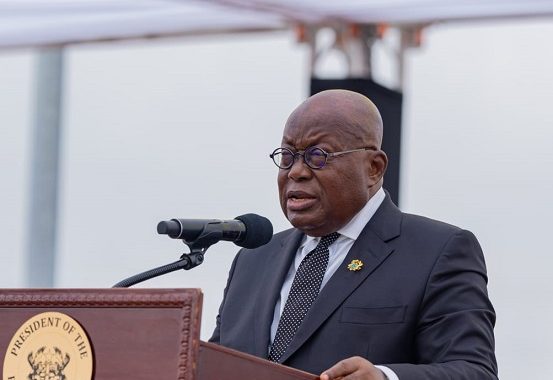 2025 WASSCE results suggest Nana Addo’s Free SHS WASSCE results were artificial passes, cosmetic and manipulated
 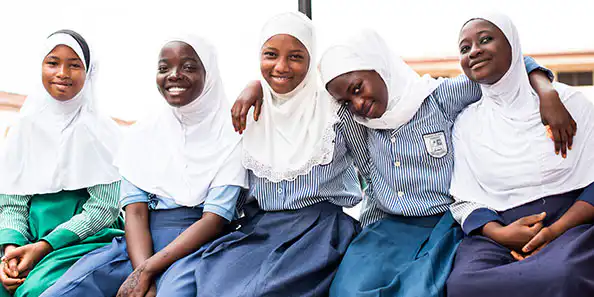 No Islamic School Will Entertain Christian Values and Doctrines in Ghana: Let’s Be Honest About Religious Freedom in Islamic Schools
 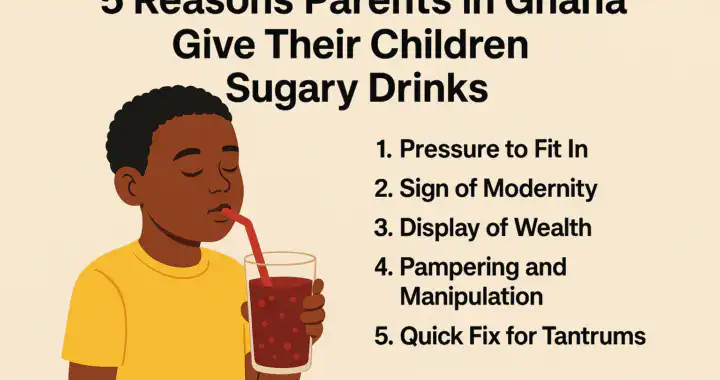 5 Reasons Parents in Ghana Give Their Children Sugary Drinks: No4 Is More Dangerous
 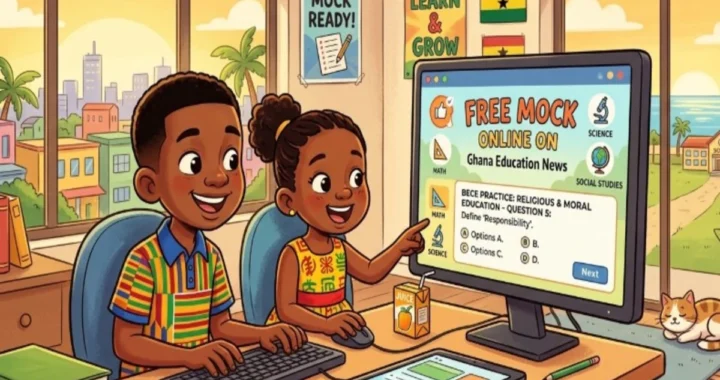 Take Free 2026 BECE Online Mocks: Over 10,000+ Questions Uploaded
  Grab BSc, MSc, and PhD Full Scholarships From the 100 Top World Scholarships
  GES Issues Stern Warning to Teachers: New Disciplinary Measures for ‘Besieging’ National Office and Side-Stepping Regional Structures
  Parliament Passes Act 1023: Private Universities Given 6-Year Ultimatum to Secure Charter or Face Sanctions