Ghana Needs $1.1 Billion to Avoid Power Crisis – Energy Minister Warns
Ghana Needs $1.1B to Avert Blackout
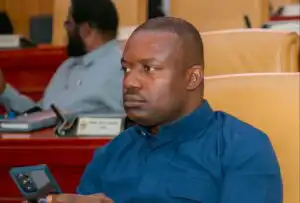
Ghana Needs $1.1B to Avert Blackout as Ghana’s Energy and Green Transition Minister, John Jinapor, has issued a stark warning: the country urgently needs $1.1 billion just to secure liquid fuel for its power plants. Without it, the country risks facing major blackouts and a potential shutdown of electricity supply.
Speaking before Parliament’s Energy Committee, the Minister painted a troubling picture of the power sector’s financial state. “We need about $1.1 billion for liquid fuel alone,” Jinapor said, stressing that this critical fuel cost isn’t even covered under the current electricity tariff structure. That means the burden falls on the central government to fund it.
Read this; Ghana’s Railway System in Ruins
He also revealed that Ghana owes Independent Power Producers (IPPs) a staggering $1.7 billion. The situation is so dire that Karpower, a major electricity provider, has warned it will shut down operations by May 18 if its outstanding $400 million debt isn’t paid. “It’s a serious situation,” the Minister admitted. “Karpower has formally notified us—they’ll switch off if we don’t pay.”
The Minister further explained that the problem isn’t just about unpaid debts or rising fuel costs. Structural issues, such as revenue shortfalls at the Electricity Company of Ghana (ECG), are worsening the crisis. ECG, responsible for collecting payments from consumers, is facing a monthly deficit of around 2 billion cedis due to poor collection rates. “When you combine that shortfall with the unfunded fuel costs, we’re looking at a financial gap of over 30 billion cedis,” Jinapor said.
Another major issue is that the tariff system lacks a reserve margin, making it difficult for power producers to absorb fluctuations in fuel or operational costs. Without proper funding and planning, these gaps keep growing, putting more pressure on the government and power producers.
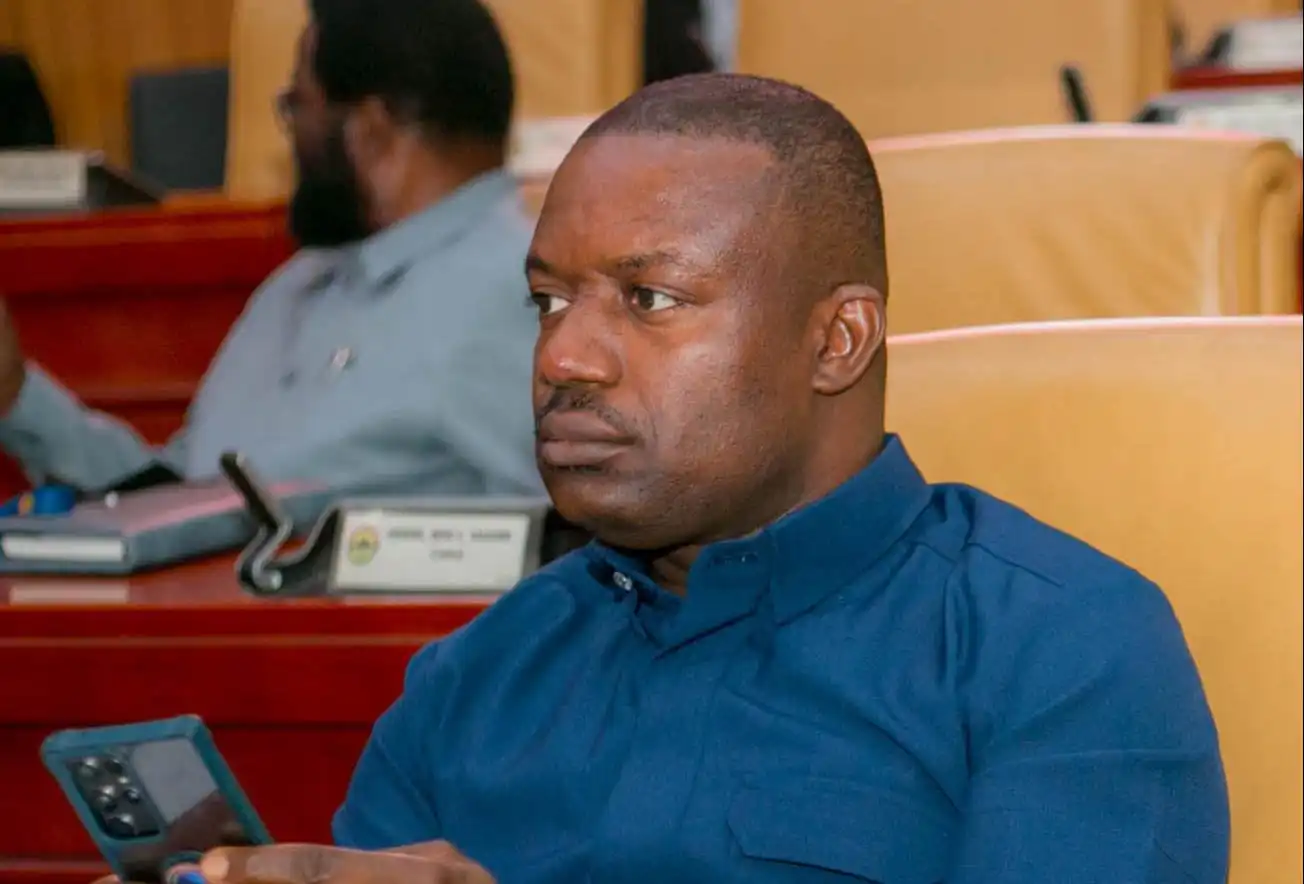
George Kwame Aboagye, the Ranking Member on the Energy Committee, also weighed in, pointing fingers at large companies that he says consistently fail to pay their electricity bills. “A lot of our local companies don’t pay for the power they use. That’s part of the problem,” he said.
Similar to this article, Read this; Fix the Power Crisis and Stop the Excuses – Agyekumhene to Energy Minister

Aboagye also highlighted Ghana’s high transmission losses—between 29% and 30%, far above the 8–9% average in developed nations. These losses further strain the already stressed power sector.
For more interesting articles, click Here