Everything You Need to Know About Fugu, Batakari, and Northern Smock Types
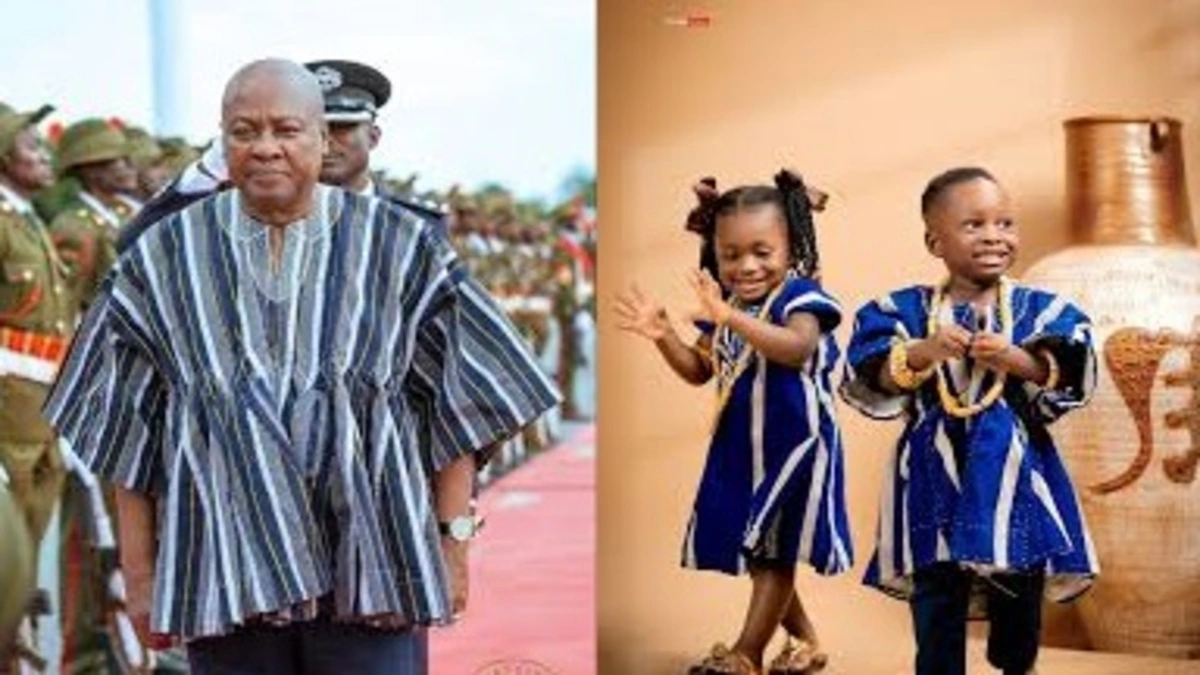
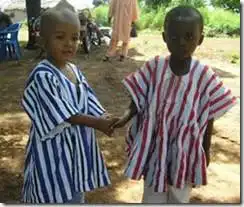
In Ghana, the Fugu, or Batakari, is more than just a garment; it is a powerful symbol of heritage, authority, and northern identity. While the terms are often used interchangeably, they represent a rich diversity of styles, weaving techniques, and regional origins.
Types of Batakari and Fugu in Ghana
1. The Fugu vs. Batakari: What’s the Difference?
Technically, “Fugu” and “Batakari” refer to the same style of smock, but the terminology changes depending on the language:
Fugu: This is the Dagbani word for “cloth” or “garment.” It is the most common name used across the Northern Region of Ghana.
Batakari: This term is rooted in Hausa and is widely used by the Akan and southern Ghanaians to describe the smock.
Dansika: A specific type of sleeveless smock often worn as an undershirt or for casual occasions.
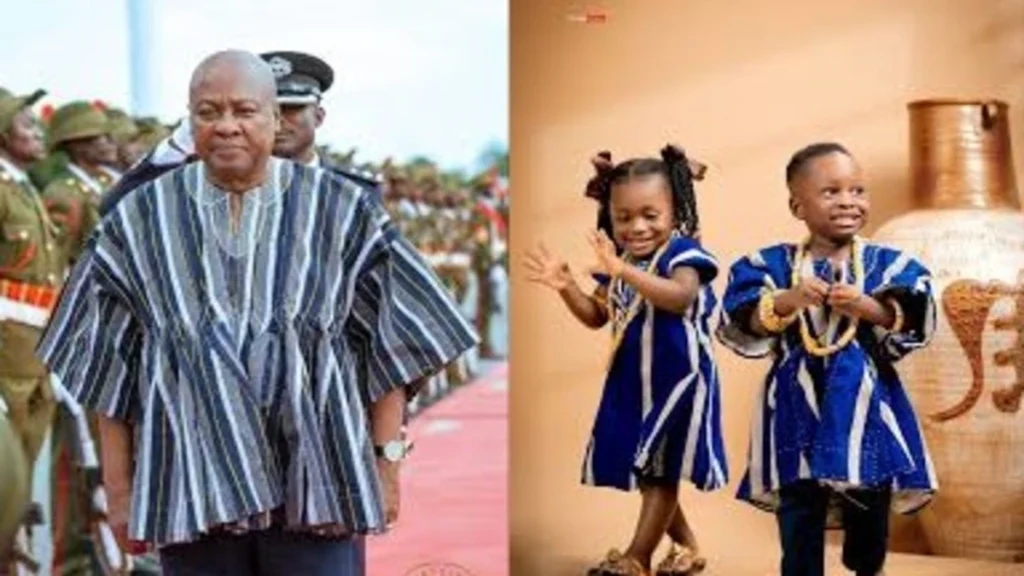
2. Types of Smocks and Their Meanings
Smocks are categorized by their design, which often indicates the wearer’s social status or the occasion.
3. The Language of the Cap
How you wear the accompanying hat (Dogli) sends a specific message to the community. This “cap language” is a vital part of the northern dress code:
Pointed Upright: Indicates that the wearer is “standing tall” or currently has no rival/superior.
Folded to the Right: Signifies that the wearer is a sub-chief or subordinate.

Folded to the Left: Usually indicates the wearer is a superior chief or the head of a family.
Folded Forward: Suggests that “the future is ahead” or that no one is behind the wearer.
Folded Backward: A sign of peace, indicating that the wearer has no ill intentions and “leaves the past behind.”

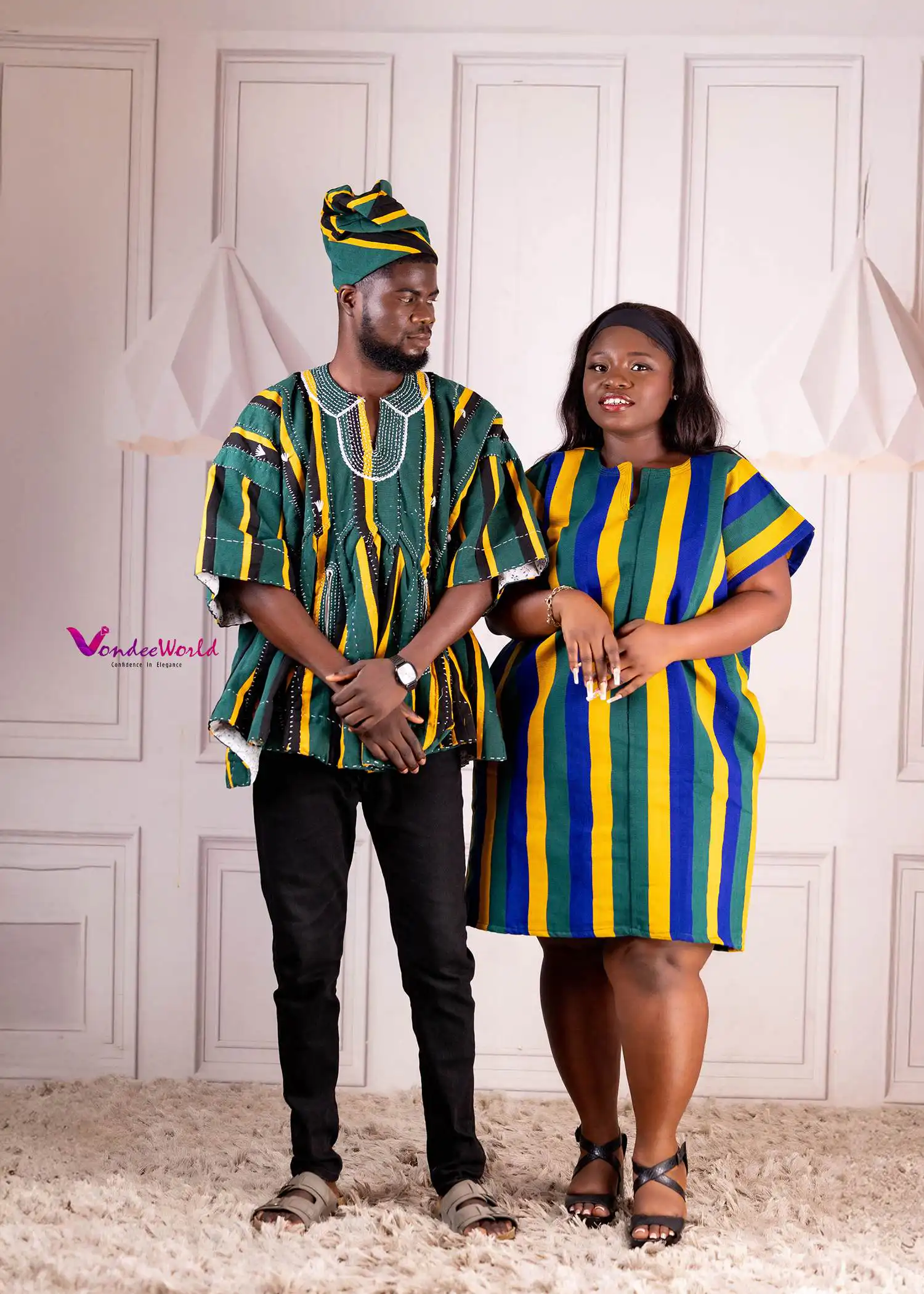
4. Regional Varieties and Materials
The smock is made from hand-loomed strips of cotton fabric, typically 4 inches wide, which are sewn together.
The Dagomba Smock (Tamale): Known for vibrant colors and heavy embroidery around the neckline.
The Gonja Smock: Often characterized by bold, thick stripes and a slightly different flare.
The Upper East (Frafra) Smock: Frequently seen in bright “Bolga” colors and often paired with leather accessories.
READ: Tragedy As Young Man Dies at Chinese-Operated Galamsey Site Along China Road
5. Modern Significance of the types of Batakari and Fugu in Ghana
While originally from the North, the Fugu became a national symbol when Dr. Kwame Nkrumah and his associates wore it to declare Ghana’s independence in 1957. Today, it is the “Friday Wear” of choice for many professionals and a staple for political leaders across all parties.
Care Tips for Your Fugu
Dry Clean Only: Because the fabric is heavy and often features intricate embroidery, machine washing can ruin the shape and the threads.
Iron While Damp: To get those sharp pleats in the flare, iron the smock while it is slightly moist.