Skipping the Salt can Reduce Heart Disease risk by almost 20% – Health Studies
Skipping the salt can reduce heart disease risk by almost 20%, study finds: ‘Know what you are consuming’. Skipping the salt could slash heart disease risk by nearly 20%, according to research presented at the annual meeting of the European Society of Cardiology, which was held in Amsterdam this week.
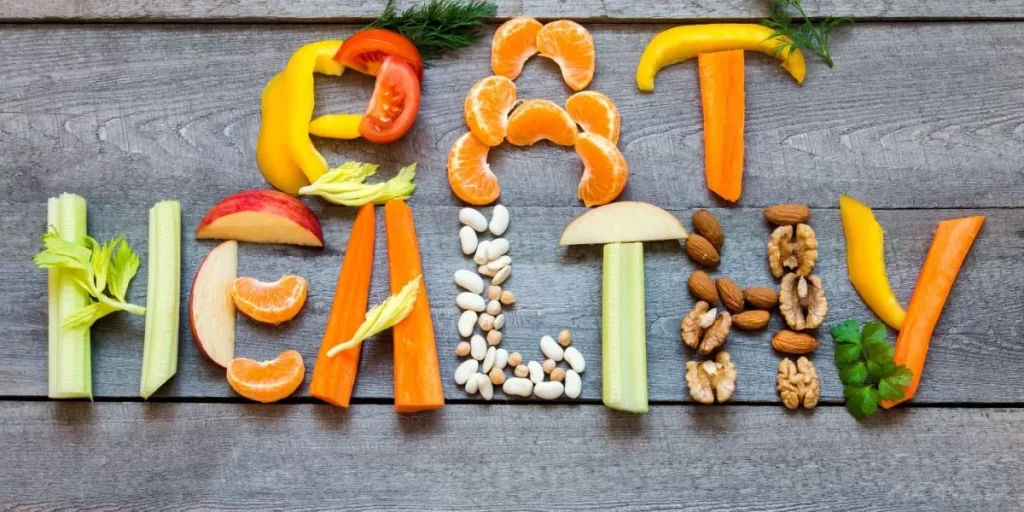
Even just cutting back on salt was shown to boost heart health
Those who never add salt to their food had an 18% lower risk of being diagnosed with atrial fibrillation — also known as irregular heartbeat or arrhythmia — compared to those who added salt to every meal, researchers from Kyungpook National University Hospital, South Korea, discovered.
If it goes untreated, atrial fibrillation can cause life-threatening conditions including stroke, heart failure and blood clots.

The researchers analyzed data from the UK Biobank, which includes more than 500,000 participants in the U.K. between the ages of 40 and 70.

They excluded people who had already had heart disease, heart failure, stroke or atrial fibrillation.
All of the participants indicated how frequently they added salt to meals, with the choices including “never/rarely,” “sometimes,” “usually” and “always.”

The research team then followed the groups for a period of 11 years.
Those who switched from always salting their foods to never salting them saw an 18% reduction in risk.

People who sometimes added salt saw a 15% lower chance of developing heart issues.

Even those who usually salted their foods saw a 12% reduced risk compared to those who always used salt.
Negative impacts of salt
Briana Costello, M.D., an interventional and general cardiologist at the Texas Heart Institute Center for Cardiovascular Care, noted that she was not surprised by the study’s findings.
Costello was not involved in the study.
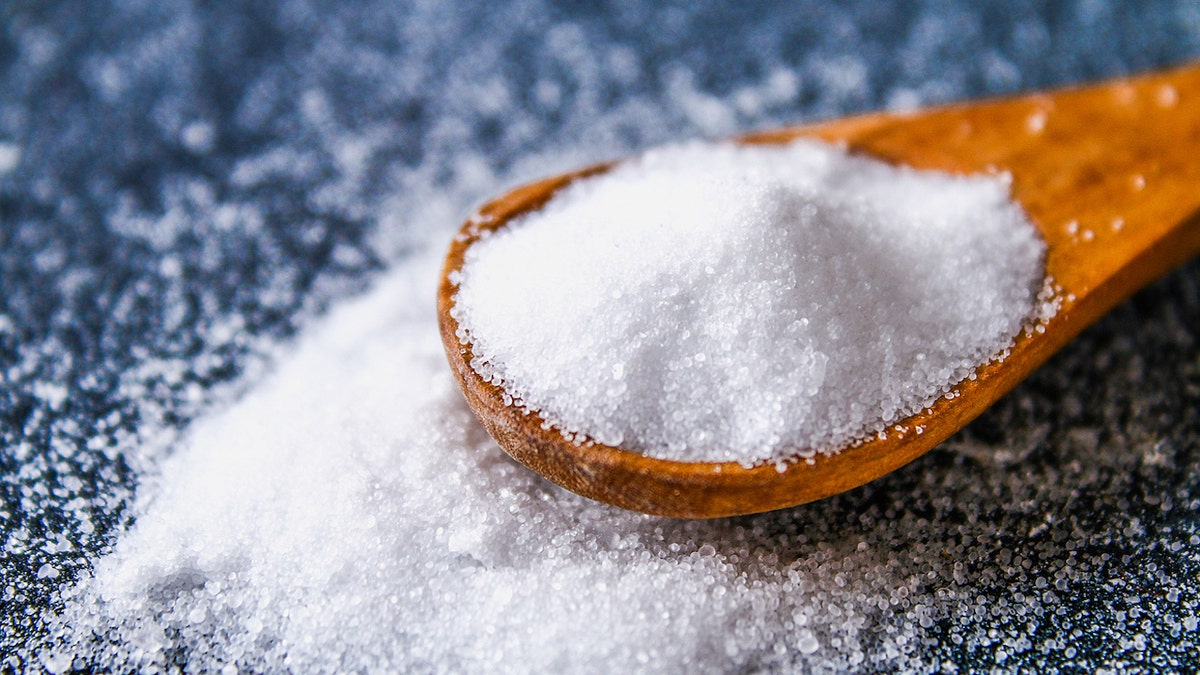
Those who never added salt to their food had an 18% lower risk of being diagnosed with atrial fibrillation compared to those who added salt to every meal, according to a new study. (iStock)
“It is well-known that salt does not do anyone favors in regard to cardiovascular health,” she told Fox News Digital.
Costello pointed to a 2021 study that was published in the New England Journal of Medicine. It found that among people who had a history of stroke or were 60 and older with high blood pressure, the rates of stroke, heart issues and death were lower when using a salt substitute compared to using regular salt.
“Salt increases your body’s water retention and can increase blood pressure, which is a leading cause of cardiovascular disease.”
“Where there is salt, there is water,” Costello said. “Salt increases your body’s water retention and can increase blood pressure, which is a leading cause of cardiovascular disease.”
Ronald Freudenberger, M.D., a cardiologist at Lehigh Valley Heart and Vascular Institute in Pennsylvania, who was not involved in the study, warned that salt causes the body to retain fluid.

A 2021 study in the New England Journal of Medicine found that the rates of stroke, heart issues and death were lower when using a salt substitute compared to using regular salt. (iStock)
“It pulls fluid from your body tissues into your bloodstream,” he told Fox News Digital. “That makes your heart do more work because there’s more fluid to pump around your body — and that increases blood pressure.”
This is particularly dangerous for people who already have cardiovascular issues, the doctor said.
“As we age, our blood vessels and heart become less flexible,” Freudenberger said. “If you can imagine having more fluid to pump around in blood vessels that are stiffer, and through a heart that is stiffer, that’s going to put strain on your heart.”
If the blood vessels or heart have a tough time accommodating that extra fluid, it can result in problems such as high blood pressure or atrial fibrillation, the doctor said.
Tips for slashing salt intake
The U.S. Food and Drug Administration (FDA) recommends a daily sodium intake of less than 2,300 mg per day, which is equivalent to around 1 teaspoon of table salt.
Americans consume considerably more than that, however — averaging about 3,400 mg of sodium per day.

To mitigate the risk factors of dietary salt consumption, the experts recommend avoiding adding salt to foods — particularly for those who already have hypertension or have had heart failure. (iStock)
To mitigate the risk factors of dietary salt consumption, the experts recommend avoiding adding salt to foods — particularly for those who already have hypertension or have had heart failure.
Beyond adding table salt, processed foods can be a big source of hidden salt, Costello said.
Read Also: 5 Mistakes To Avoid When Cooking Jollof Rice
“Most people do not realize how much sodium is added in ready-made food,” she said. “The first step is to know what you are already consuming so you can make necessary lifestyle changes.”
Other hidden sources of salt include desserts, pastries and bread, noted Antonette Hardie, a registered dietitian at The Ohio State University Wexner Medical Center.
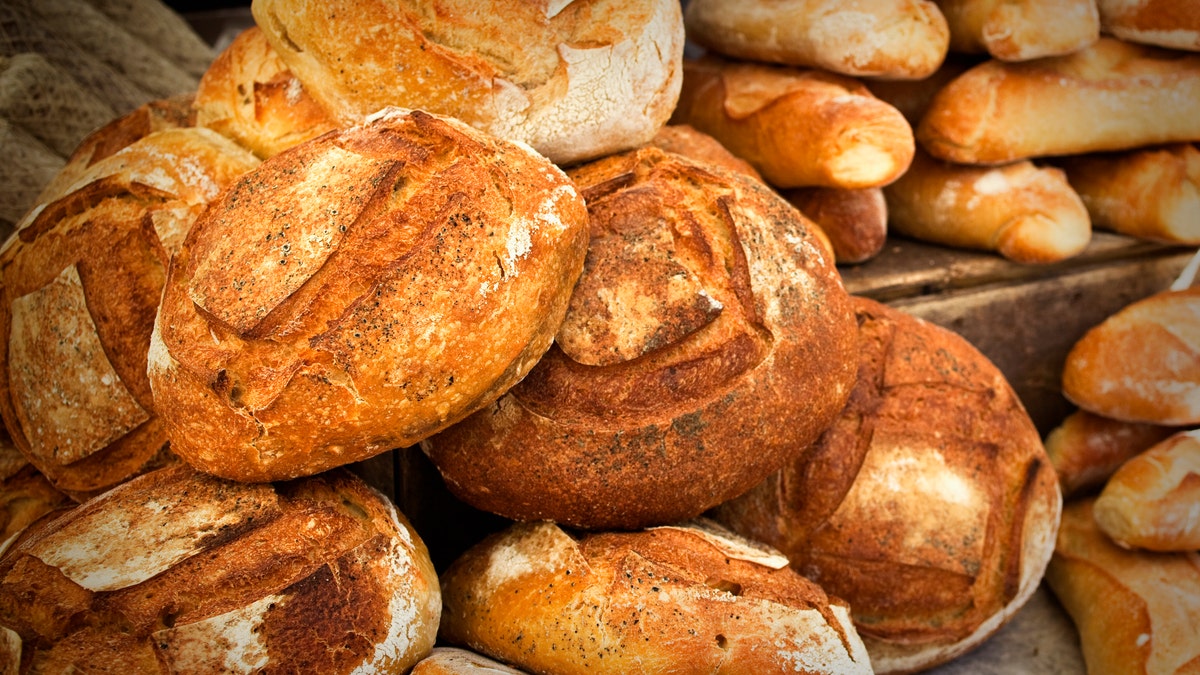
Hidden sources of salt include desserts, pastries and bread, warned Antonette Hardie, a registered dietitian at The Ohio State University Wexner Medical Center. (iStock)
“Salt is chemically necessary in baked goods for them to bake properly; however, some baked goods are higher in salt for them to taste sweeter,” she told Fox News Digital.
Another hidden source of salt is diet drinks.
“Again, salt makes things taste sweeter, so when salt is added to diet drinks, it makes them more palatable to consumers,” Hardie noted.
Read Also: Smell the coffee: It perks you up regardless of the caffeine
It’s important to look carefully at the sodium content in the food you eat, noted Freudenberger.
“Even things branded low sodium are more accurately called ‘lower sodium,’ because even they sometimes have a significant amount of sodium,” he told Fox News Digital.
“Sometimes there is 1,000 mg of sodium in a can of low-sodium soup, and that’s all you should have in a day if you have high blood pressure.”
For those who really need a “salt kick,” Freudenberger recommended using a salt substitute as a low-sodium alternative.
“There are many spices that can give you the flavor you want without the sodium, such as onion powder, paprika, rosemary, sage and thyme,” he said.
“Examine salt substitute labels carefully, because many substitutes contain potassium, and too much of that can also be dangerous,” the doctor warned.