3 Essential Oils for Your Car’s Health: Engine, Transmission, and Differential Lubrication
3 Essential Oils for Your Car’s Health: Engine, Transmission, and Differential Lubrication
The three types of oil your car needs

A car engine is a complex piece of machinery that requires a lot of lubrication to operate smoothly. There are three main types of oil that your car needs: engine oil, transmission fluid, and differential oil. Each type of oil has a specific function and helps to keep your car running safely and efficiently.
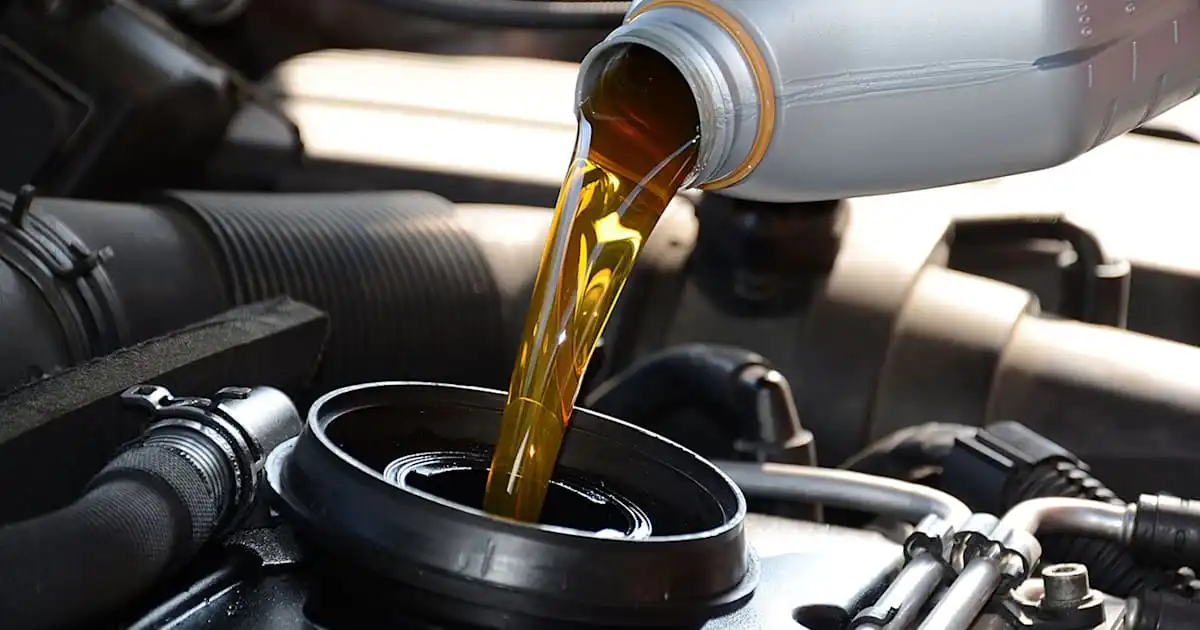
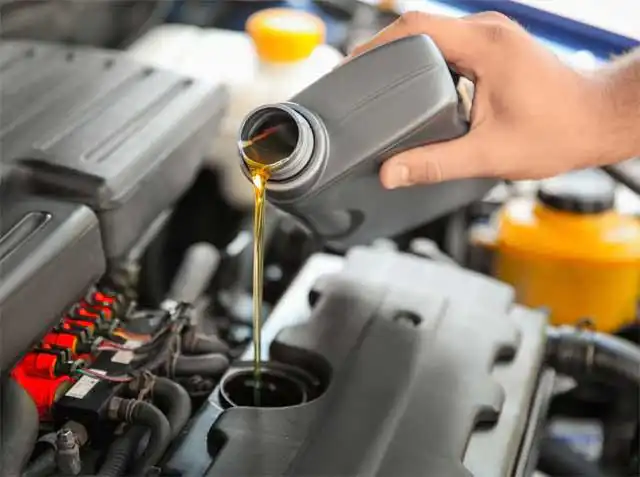
Engine oil is the most important type of oil in your car. It is responsible for lubricating all of the moving parts in your engine, including the pistons, valves, and bearings. Engine oil also helps to cool your engine and prevent it from overheating.
There are three main types of engine oil: conventional, synthetic, and high-mileage. Conventional oil is the most basic type of engine oil, and it is the least expensive. Synthetic oil is more expensive than conventional oil, but it provides better protection for your engine. High-mileage oil is a type of synthetic oil that is specifically designed for older cars with high mileage.
Transmission fluid
Transmission fluid is responsible for lubricating and cooling the gears in your transmission. It also helps to prevent wear and tear on the transmission components.
There are two main types of transmission fluid: automatic transmission fluid (ATF) and manual transmission fluid (MTF). ATF is used in automatic transmissions, while MTF is used in manual transmissions.
WANT TO PASS 2027 BECE? REGISTER FOR BECE HOME MOCK
Register your ward for Ghana's premier Home Mock service, active since 2022.
Differential oil

Differential oil is responsible for lubricating the gears in your differential. The differential is a part of your car’s drivetrain that helps to transfer power from the engine to the wheels.
There are two main types of differential oil: synthetic and mineral. Synthetic differential oil is more expensive than mineral differential oil, but it provides better protection for your differential.

How often should you change your oil?
The frequency with which you should change your oil depends on the type of oil you use and your driving habits. Most conventional engine oils should be changed every 3,000 to 5,000 miles. Synthetic engine oils can last up to 10,000 miles or more. High-mileage oil should be changed every 5,000 to 7,500 miles.
You should also check your transmission fluid and differential oil regularly and change them as needed. Transmission fluid should be changed every 30,000 to 60,000 miles, while differential oil should be changed every 50,000 to 100,000 miles.
Here are some of the benefits of using the right type of oil in your car:
- Improved fuel economy
- Reduced emissions
- Longer engine life
- Smoother operation
- Quieter operation
READ: Driving Automatic Cars Safely & Mistakes to avoid in 2023 to 2025
Here are some of the risks of using the wrong type of oil in your car:
- Engine damage
- Transmission damage
- Differential damage
- Voiding of your warranty
By using the right type of oil and changing it regularly, you can help keep your car running safely and efficiently for years to come.