
Mental Health in Schools: Should Mental Wellness Be Part of the Curriculum?

Mental Health in Schools: Should Mental Wellness Be Part of the Curriculum?
Do you think mental wellness should be part of the curriculum? Should mental health be considered in schools? Proceed to find out more about this worldwide topic making buzz on the internet.
There is an invisible struggle taking on in our schools’ crowded hallways, as bags slump beneath the weight of textbooks and hopes. It is not about quadratic equations or historical dates, but about mental health.
Whispers of anxiousness, quiet battles with sadness, and unsaid concerns stalk our students. As educators, parents, and guardians, we must consider if mental wellness should be integrated into the curriculum.
Picture this: A teen sits in a packed classroom, shoulders slumped and eye wandering around. The teacher lectures on about algebraic expressions, but the student’s thoughts are elsewhere. Anxiety consumes at their insides like a tenacious mouse. They’re wondering if anyone else feels this way. They worry if they are alone.
Not only that, but they are not alone. Mental health issues are a silent epidemic in our classrooms. The World Health Organisation reports that depression is the greatest cause of disability among teenagers globally. Nonetheless, our educational systems frequently treat mental health as a footnote in a dusty textbook.
Imagine a school where wellness is not an afterthought, but rather a cornerstone. A location where children can learn about both the periodic table and emotional resiliency. Here’s why wellness should be incorporated into our curriculum:
Breaking Stigmas: Wellness education removes the stigma associated with mental health. It is time to replace whispered murmurs with open discussions. Let us normalise seeking help and recognising that it is okay to not be okay at times.
WANT TO PASS 2027 BECE? REGISTER FOR BECE HOME MOCK
Register your ward for Ghana's premier Home Mock service, active since 2022.
REGISTER YOUR WARD NOWEmpowerment: When kids understand their emotions, they take control of their mental health. They learn to cope tactics, stress management techniques, and how to be kind towards themselves.
Academic Performance: A healthy mind promotes academic performance. When children feel emotionally supported, they can concentrate better, retain information, and prosper.
When wellness is integrated into the curriculum, the impact extends beyond the classroom. Families benefit. Communities thrive. Our future leaders will be not just academically adept, but also emotionally resilient.
So let’s change the story. Let us educate not just theorems, but also empathy. Let’s nourish both our wits and hearts. Because prioritising wellbeing not only educates, but also transforms people’s lives.
READ ALSO; Student Loan Crisis: Is Higher Education Worth The Debt?
 Why WAEC will not release the 2026 BECE result on 15th July as stated
  South Africa’s Lazy Mindset and Xenophobia Will Not Solve Its Problems
  The Soft Life Lie: Real Costs for Ghanaian Youth in 2026
 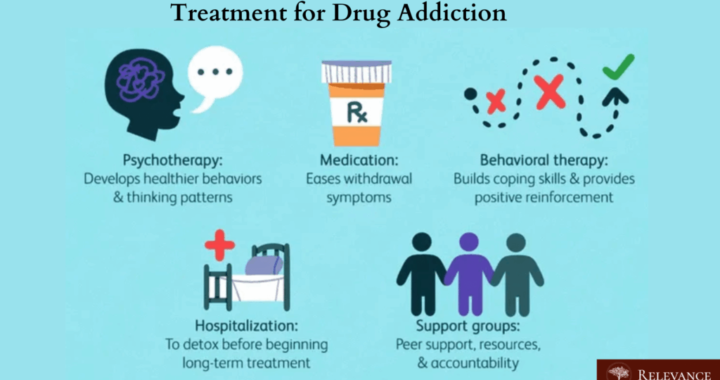 How To Help Your Teenage Children Battling with Addictions
  The role of parents in building a child’s self-esteem
  The 10 “Demons” Bedeviling the GES and Their Impact on Teacher Morale