On This Day in 1956: National Liberation Movement Boycotts Key Constitutional Talks
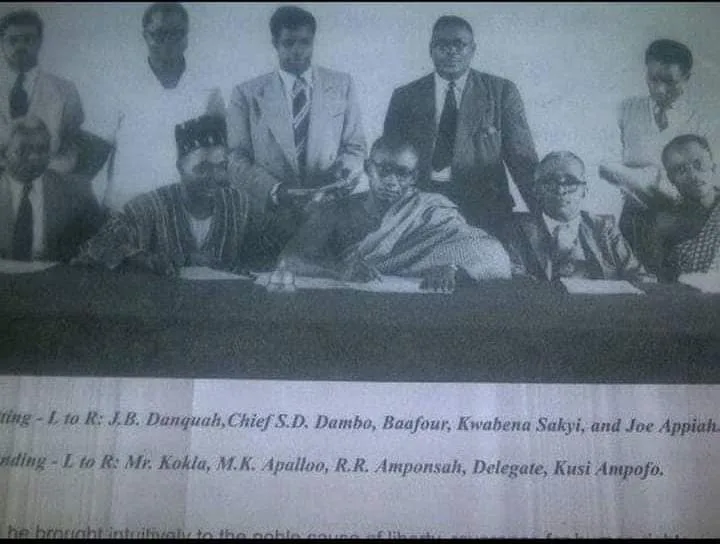
The National Liberation Movement (NLM) and Its Role in Ghana’s Constitutional Struggle
On December 17, 1956, the National Liberation Movement (NLM) was invited to a constitutional conference at Achimota to discuss recommendations from the Secretary of State for the Colonies. However, the movement rejected the proposals and boycotted the conference, deepening the political deadlock in the Gold Coast on the eve of independence.
The National Liberation Movement (NLM) was formed in 1954, shortly after the 1954 general elections, and was officially launched on 19 September 1954 at the Prince of Wales Park, Kejetia, Kumasi. The chief architect of the movement was Baffour Osei Akoto, the Chief Linguist of the Asantehene.
The NLM emerged primarily to champion what it described as the liberation of the Gold Coast from excessive centralisation of power. The movement strongly opposed the dominance of the Convention People’s Party (CPP) and advocated a federal or decentralized system of government that would grant significant autonomy to regions and traditional authorities.
Central to the NLM’s demands was the call for regional governance based on revenue generation, arguing that regions should retain greater control over resources generated within their jurisdictions. This position placed the movement at odds with the CPP’s unitary approach to governance.
Amid rising tensions, the Asantehene sent a message to Queen Elizabeth II, requesting the appointment of a constitutional adviser to guide the Gold Coast in adopting an appropriate constitutional framework ahead of independence. In response to the constitutional impasse, the CPP government invited Sir Frederick Bourne, an experienced colonial administrator who had served in India and Pakistan, to act as an adviser.

Despite several attempts by the CPP to resolve the stalemate, negotiations failed. On December 17, 1956, Sir Frederick Bourne held consultations with government officials, organisations, and individuals to discuss constitutional proposals. However, the NLM, the Ashanti Confederacy Council, and their allies boycotted the talks, rejecting the process entirely.
The NLM also boycotted the Bourne constitutional proceedings, with support from other ethnically based political parties, including the Northern People’s Party (NPP) and the Togoland Congress, all of whom aligned with the Asante demand for constitutional restructuring and greater autonomy.
The emergence of the NLM significantly altered the political landscape of the Gold Coast. It placed the CPP under intense pressure and provided a strong and effective opposition at a time when the CPP was widely perceived as politically dominant.
This prolonged constitutional crisis ultimately led to the 1956 general elections, which served as a decisive test of public support and paved the way for determining the final constitutional framework that Ghana would adopt at independence.
| LATEST EDUCATION STORIES |
| [display-posts posts_per_page="10" include_date="true"] |
| View All Breaking News → |
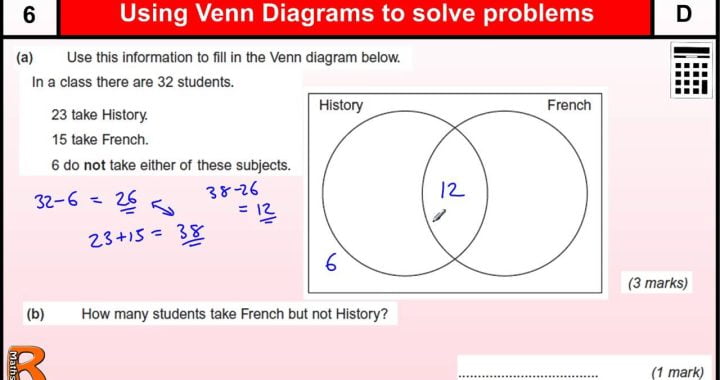 2026 BECE Projected Mathematics Topics, Must-Know Formulas: Master These for Grade “1”
  2026 BECE Projected English Language Topics For Students
  Ghana’s First E-Voting system for Schools and Institutions launched – Say Goodbye to Paper Ballots
  BECE 2026 School Mocks & Timetable | Education-News Consult