Registration Opens: Join the 2026 BECE Home Mock to Secure Grade 1s JOIN NOW ×

Ghanaian students deserve more than traditional teaching tools- let’s integrate assistive technology


girl scored 8 ones in 2023 BECE after using BECE Home Mocks

Education is a key and very important for the progress of the nation. As a result many students in our public schools encounter some difficulties that slows their learning due to developmental delays and special educational needs.

The Ministry of Education must categorize investment in aiding technology to confront the technological inadequacies in our educational institutions and help to promote panoramic education.
Aiding technology circumscribe low-tech options such as listening and hearing aids, braille books as well as modern tools including adaptive learning platforms, speech-to-text software and screen readers.

Students or Children with mental, kinesthetic or physical strain finds it difficult to keep pace, and without appropriate support, their prospectives can’t be accomplished limiting their chances to contribute to society.

Specific number of students with disabilities in our public schools lack the necessary support this is because, resources are not sufficient, again the staffs are untrained so are not qualified and societal discrimination.

These resources kindle disabled students to overcome hurdles and participate fully in their educational experiences.
Again, the classrooms often lack the required adaptations, and teachers lack the training needed to meet and confront the needs of diverse learners.
Aiding technology can transform education in Ghana by providing equal learning opportunities for all students. Prioritize areas that need financial or monetary support include:

Hearing strain assistance

Sign language interpretation, real-time transcription and Hearing aids, are some digital sources that can enhance the learning experience for hard-of-hearing students or the deaf.

Eye strain support

Screen readers, magnification software electronic braille displays, can enhance visually impaired students in accessing educational materials.

Accessibility enhancements

Schools should focus on creating adjustable desks, wheelchair-accessible facilities, and communication assistance for students with mobility challenges.

Adaptive learning resources

Customised digital platforms can help students with developmental delays or learning disabilities, enhancing them to learn at their own pace.
With adequate support, students with disabilities can become independent and productive, this will help them not to rely sorely on social welfare services.

Below are some ways to integrate assistive technology in our schools:

Policy pursuance: Current policies on comprehensive education need to be evaluated and enforced to warrant the manifestation of assistive technology across all schools in the country.

Increased government funding: The Ministry of Education should underline financial ration for aiding technology within the national education budget, commercialising partnerships with international organisations and the private sector for additional and supportive resources.

Effective and special education training expansion: Teacher training programmes should combine courses on assistive technology, and continuing education opportunities should be made available for existing teachers.

Investing in assistive technology is important for realising comprehensive education in Ghana. No child should be disadvantaged due to learning awkwardness.

Equipping and providing schools with the needed resources and thoroughly training educators, we can build proper education system that kindles students.

READ: Apaak: 1st year university students lose refund benefit

How Ghanaian universities are contributing to creating unemployment in Ghana

Ghanaian universities creating unemployment

Ghana’s looming graduate unemployment crisis is a ticking time bomb. Over 100,000 students entered tertiary institutions in 2024, and by 2028, they’ll be joining the ranks of job seekers. KNUST alone admitted over 50,000 students for the 2024-2025 academic year, while the University of Ghana is graduating 15,750. These numbers are staggering, and they force us to confront a fundamental question: what is our national strategy for these graduates?

While there is no clear goverment policy on job creation, we can say that Ghanaian universities are contributing to creating unemployment in Ghana while the government is also failing to create the needed opportunities.

The uncomfortable truth is that we haven’t even begun to adequately plan. We’ve failed to brainstorm the implications of these massive student intakes, let alone develop concrete plans to ensure these graduates have job opportunities waiting for them. A critical gap is the lack of national-level data on student program choices and the corresponding job market demand. Do we know how many nurses, teachers, doctors, pharmacists, accountants, economists, lawyers, and finance managers will graduate between 2024 and 2028? Probably not. Without this information, how can we possibly plan for the future?

This lack of foresight leads to a predictable outcome: graduates enter a saturated job market with limited prospects. At best, they face exploitation with low-paying jobs. The National Service Scheme, intended to provide valuable experience, has become a temporary holding pen, delaying the inevitable struggle of job hunting. It’s a year-long reprieve before graduates join the mass of unemployed youth. The unemployment situation in Ghana is dire, and while precise figures are hard to come by, the anecdotal evidence is overwhelming. Youth unemployment across Africa is a well-documented crisis, often exceeding global averages, and Ghana is no exception.

Several factors contribute to this crisis, and while universities aren’t solely to blame, they play a role. One major issue is curriculum mismatch. Universities often don’t align their programs with the current needs of the job market, producing graduates with skills that are not in demand. This disconnect between academia and industry exacerbates the unemployment problem.

Another contributing factor is the lack of career guidance. Many universities lack robust career counselling and placement services, leaving students ill-prepared for the job search process and unaware of potential career paths. They graduate without a clear understanding of how to translate their education into a career.

Overemphasis on theory at the expense of practical skills is another concern. Graduates may possess theoretical knowledge but lack the hands-on experience employers seek. This makes them less employable and less competitive in the job market.

Limited industry linkages further complicate the situation. Universities often lack strong connections with businesses and industries, which limits internship opportunities and job placements. These connections are crucial for bridging the gap between education and employment.

Finally, there’s the issue of output versus demand. Universities continue to produce graduates in certain fields even when the job market is already saturated. They haven’t adapted to the changing economic landscape, leading to an oversupply of graduates in some areas and a shortage in others. In some instances the graduates and the courses they read do not match current jobs neither are institutions looking for persons with such skills.

The fact is that Ghanaian universities are contributing to creating unemployment in Ghana but they will often not accept the smallest of blames and argue that they are academic institutions.

READ: NDC’s 2024 Hour Economy Formula 133 To Create Jobs, Tackle Ghana’s 4% Unemployment Rate

They may argue also that they educate people, but the system isn’t working as it should. Well, unemployment is a complex issue with multiple causes, including government policies, economic conditions, lack of investment in job creation, and global market forces. Oversimplifying the problem and placing blame solely on universities ignores these crucial factors. It’s a multi-faceted challenge that requires a multi-pronged approach. We need a national conversation that involves universities, government, industry, and students to find sustainable solutions to this growing crisis.

Why Vetting Questions for John Mahama’s Nominees Often Miss the Mark

Minority Vetting Ministers Government

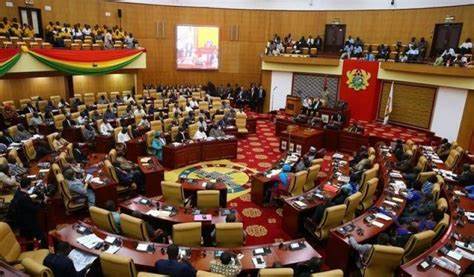
In the vetting process of ministerial nominees by President John Mahama in Ghana, a recurring theme has been the apparent irrelevance of many questions posed by members of the minority in Parliament. This process, which is meant to assess the suitability, competence, and integrity of nominees, frequently deviates into what can be seen as tangential or even trivial inquiries. Here’s why these questions often lack relevance and why they continue to be asked:

Why Vetting Of Ministers Are Carried Out/ Its Relevance Issue:

The primary purpose of vetting is to evaluate whether nominees possess the necessary qualifications, experience, and vision to handle the responsibilities of their potential roles. However, the questioning often shifts from professional competence to personal or political probing. This can distract from the real issues at hand, such as the nominee’s policy insights, past performance in similar or related roles, or their plans for their prospective ministry.

Why are Minority Members Part of The Committee?

Political Strategy: The minority often uses the vetting platform to score political points or to challenge the government’s decisions.

By asking seemingly irrelevant questions, they can put nominees on the spot, potentially embarrassing them or highlighting perceived weaknesses in the government’s choices.

Media Attention: Sensational or unexpected questions garner media coverage. This can serve to keep the opposition in the public eye, framing the narrative around the government’s capability or the nominees’ suitability.

Public Perception: Sometimes, these questions aim to appeal to public sentiment or address cultural or social issues, even if they’re not directly linked to the job at hand. This can influence voter perception ahead of elections or public discourse on governance.

Examples of Irrelevant Questions:

Singing Hymns: A notable example from recent vettings involved a minister-designate being asked to sing Methodist hymns. This question, while possibly intended to assess cultural or community engagement, has no direct bearing on the administrative or policy-making capabilities required for a ministerial role.

Personal Lifestyle: Questions have sometimes veered into the personal lives of nominees, such as their hobbies or family life, which do not contribute to understanding their professional capabilities. This can make the vetting process seem more like a public interview than a professional evaluation.

Political Allegiance: Questions regarding past political affiliations or statements from nominees that do not relate to the current role’s demands have been common. For instance, asking a nominee for a technical position about their stance on unrelated political issues or past party disputes.

Impact and Consequences:

Distraction from Core Issues: Such questions can distract from discussing critical issues like economic policy, infrastructure development, or public service improvement, which are central to the roles nominees are being vetted for.

Waste of Time: The focus on irrelevant queries can make the vetting process inefficient, potentially leading to public frustration over the perceived unseriousness of the proceedings.

Missed Opportunity: By not focusing on relevant queries, Parliament might miss opportunities to truly gauge nominees’ performance in their roles, which could impact governance quality.

READ: Read All About Haruna Iddrisu, The Incoming Minister of Education

While the vetting of ministerial appointees is crucial for democratic accountability, the process should ideally focus on substantive issues related to governance, policy, and administrative competence. The frequent injection of irrelevant questions by the minority in Parliament might serve political or media-driven agendas but at the cost of diluting the vetting’s primary purpose. As Ghana moves forward, enhancing the relevance of these sessions could lead to better governance by ensuring that those in power are thoroughly evaluated on their merit and capability to serve the nation effectively.

WAEC’s withheld WASSCE results investigations, shield officials, punish students

2025 WASSCE Results Out Pays 2025 WASSCE Practical Fees WAEC's withheld WASSCE results investigations 2024 BECE Sample Questions released by WAEC

The current approach for BECE and WASSCE exam malpractices, announcements, investigations, and timing has been so depressing and negatively affecting the education, mental health, fortunes, and opportunities available to candidates.


WAEC’s withheld WASSCE results investigations Criticism of Current Practices:


Ghanaian students who are not in charge of setting WAEC exam questions, who are not in charge of finalizing and approving exam questions, who are not in charge of printing and safeguarding questions, who are not in charge of dispatching and supplying questions to WAEC exam questions and who are not responsible for carrying out the exam have become the most targeted and victimised stakeholders when it comes to examination malpractices and the application of punitive measures against all the people involved in the processes above.


When it comes to WAEV examination malpractices and related investigations, students suspected to have engaged in some form of malpractices have their details splashed on WAEC’s portal, including their names, index numbers, etc. However, the same is not done for WAEC officials who start the entire examination malpractice process.


Unfortunately, the investigation process used by WAEC does not sound and look scientific and is not free from biases.


WAEC’s withheld WASSCE results investigations and Impact on Students:


Come to think of it, a student is picked and found to have engaged in some form of examination malpractices; the entire school results for a subject are cancelled. To what extent can you conclude scientifically that a particular student took part or did not take part in the case of school-based cheating that had taken place?


So many students I don’t know send their comments on WhatsApp and through our blog posts on our sites and express deep-rooted frustrations about the withholding of their results.


Come to think of it, who has even thought of the depression the actions of WAEC cause students whose results are withheld? Parents and guardians must be ready to sue WAEC for such secondary but worrying effects on students.


Issues with the Investigation Process:

  • There are surely instances where the decision by WAEC to withhold the results of students turns out to prove that the students committed no exam violations in any way.
  • Others whose results have been withheld never get invited; they don’t see their names on the list of students withheld by WAEC. Who speaks for such students, who fights their case?
  • Can WAEC openly and confidently say every student whose results have ever been withheld was actually invited to the WAEC investigations?
  • Were all suspected candidates of exam malpractices’ results released and cancelled? Has WAEC never released at any point in time that it has withheld the results of candidates who were not even invited for investigations?
  • WAEC’s decision to withhold results is not fair because there are ignorant students who become part of WAEC’s suspected exam malpractice students.
  • Has WAEC ever apologised to such students who knew nothing about the so-called issues being investigated?

READ: Check WAEC Withheld Results on Waecgh.org (New Feature)


Proposed Solutions:

  • WAEC must re-examine its approach to investigating alleged exam malpractices. The investigation period and activities should also be part of the marking process. This, WAEC should not wait until results are released to disclose how many students have had their results withheld, among others.
  • Instead, this process should be further decentralised from taking place in WAEC regional offices. This will have several benefits:
    1. Those suspected to have engaged in this will be more willing to attend such programs.
    2. WAEC will not keep parents and students on a knife’s edge after results have been released because once the investigations are over and results are released, those that have been cancelled will know their fate. This way they can know what to do and, if possible, register for the next exam.
  • Every effort to make the WAEC exam malpractices investigation processes more humane, signifying, and less stressful needs to be adopted.


WAEC’s withheld WASSCE results investigations and Broader Systemic Issues:

  • WAEC exam officers and exam-leaking syndicates seem to never get arrested. Are they working with people in authority at the WAEC? Do they have influential people in WAEC working with them? Are they part of a grand scheme owned and managed by people in top places in WAEC for which reason they are hardly arrested or caught?
  • WAEC seems to be chasing the shadows of examination malpractices (students) and leaving the real people who have made this illegal an annual evil, a lucrative venture, and selling WAEC questions, answers, or marking schemes before and during WAEC examinations.

READ: 2025 BECE and WASSCE dates confirmed by GES

WAEC’s withheld WASSCE results investigations: Alternative Approaches:

  • There have been instances in the past when WAEC has directed students to rewrite papers due to high levels of exam leakage detected by the council.
  • Is it also not possible for WAEC to organise a special resit for all students suspected of engaging in exam malpractices 10 days after the official end of the exam? This way candidates can retake the papers they are suspected to have cheated on.


WAEC must stop worrying candidates in the name of exam malpractices investigations and find innovative, forward-looking ways to deal with suspects.


Why Is GES Repeating the Same Mistake with Prof. Ernest Kofi Davis’s Appointment?

Jerry Akporhor Students obey instructions

Why Is GES Repeating the Same Mistake with Prof. Ernest Kofi Davis’s Appointment? This is the question posed by Hon. Jerry Akporhor, the lead at Informed Teachers Network following the appointment of Prof. Ernest Kofi Davis  as the Director-General of the Ghana Education Service. 

He writes…

When Dr. Eric Nkansah was appointed as Director-General of the Ghana Education Service (GES), it was as though a bomb had gone off. Teacher unions revolted, calling it unfair and illegal. Their argument was clear: this position is the highest rank a teacher within GES can aspire to. Why then was someone who had never worked in the GES brought in to take that enviable role? The unions went as far as to strike, forgetting one crucial point—the scheme of service allows for such appointments. Their strike? Completely baseless.

Fast forward to today, and here we are again with another outsider, Prof. Ernest Kofi Davis, who has been appointed as Director-General. Let’s not sugarcoat this—Prof. Davis is highly qualified. His academic achievements are impressive, no doubt. But has he worked a day in the GES? No. So, what message are we sending to hardworking teachers who have climbed through the ranks of the service? That no matter how hard they work, this top position is always up for grabs by an outsider.

This is not just unfair; it’s insulting. GES has hundreds of experienced professionals, including regional and district directors, who are more than capable of taking on this role. These are people who understand the system inside out and have worked tirelessly to improve education in Ghana. Yet, they continue to be overlooked. Why? because there’s a loophole in the service scheme that allows outsiders to be appointed.

Let’s call this what it is—a slap in the face of every GES staff member. When the unions opposed Dr. Nkansah’s appointment, they were ridiculed, yet their concerns were valid. Now we’re seeing the same scenario play out again. How many times will this happen before someone realizes the damage it’s doing to the morale of GES staff?

Yes, Prof. Davis is a scholar. But does being a professor make him more qualified than someone who has dedicated decades of their life to the service? Leadership in education is not just about academics; it’s about understanding the system, the challenges, and the people within it. Bringing in someone from outside every few years undermines the very foundation of the GES.

And here’s the irony—those who screamed “illegal” when Dr. Nkansah was appointed are now silent. Why? Is it because they think Prof. Davis fits their political agenda? Let’s stop the hypocrisy. If the unions were serious about fairness, they would raise the same concerns now as they did then. But it seems this time, everyone is playing politics.

The bigger question is, should GES staff even bother aspiring to this position anymore? Maybe it’s time they accepted that the Director-General role is no longer for them. It’s for outsiders—academics, politicians, and anyone else the government deems fit.

This isn’t just about one appointment; it’s about the future of GES. If we continue down this path, we risk creating a system in which GES staff feel undervalued and demotivated. In the end, the students suffer.

READ: Download 2025 BECE Timetable (Projected)

Let’s stop pretending this is okay. It’s not. GES staff deserve better. They deserve leadership that understands their struggles because they’ve lived it. Until we prioritize that, we’ll keep repeating the same mistakes. And trust me, the consequences will not be pretty.


Source: ✍️ Jerry Akporhor

My Advice To Youths: 22 actions to redeem your future

My Advice To Youths

Today, many young people have grown wings and will not take advice. Many of them have outgrown advice and want to live their lives anyhow. Well, a life lived anyhow will lead to an anyhow future. It may be true that someone lived his or her life and became somebody but how sure are you that by living your life anyhow and making wrong choices, it will end well for you?

This My Advice To Youths is a post that captures 22 actions needed now to redeem your future as a growing adult. It will also be very useful to you as a reader if you can apply them to your life.

What are My Advice To Youths: The 22 actions to redeem your future are below

My Advice To Youths 1: Your control of your sexual urges will be the reason you are either successful or a failure.

Life is more than just sleeping around. Some of you have turned it into competitions and are constantly changing partners and chasing them around as though it were something of low cost.

Advice 2: Porn and masturbation are the greatest killers of success.

They stunt and destroy your brain. Some of you have it on your phones and walk into the church and mosque with it in your pocket. You are only destroying your life little by little.

Advice 3: Avoid drinking alcohol like a camel drinking water. Nothing worse than losing your senses and acting a fool. If you can, run away from alcohol entirely. I remember growing up as a young person; we saw it as fun to meet friends in a drinking spot and have some drinks. A female friend who is not an associate professor at the University of Ghana joined us for a special reason. She had a chat with us and explained the future impact of the choices we are making by ending up on Fridays at the spot. None of us ever went there and nearly all of us ended this stuff. Today, every one of the group that took the advice has gone far in life. Be wise.

Advice 4: Keep your standards high and don’t settle for something just because it’s available.

You need to know your worth and who you are. This is not arrogance; it is self-value and self-worth.

Advice 5: If you find someone smarter than you, work with them; don’t compete. Some of us have become bitter and enemies to ourselves and our own progress because we have met someone who is better, smarter, and more intelligent than us. Such persons must be your friends from whom you learn and not your enemies you target to destroy.

My Advice To Youths 6: No one is coming to save your problems. Your life’s 100% responsibility is yours.

Remember that this life is filled with problems and everyone either shows off their problems or carries them along every day. You must face your challenge and make efforts to deal with them. If you get people lending support to solve them with you, be happy and wish them well, but know that if they leave you along the way, they did not leave their problem but yours, which you must deal with.

Advice 7: You shouldn’t take advice from people who are not where you want to be in life.

Why must you take advice from those far lower than your level? Well, sometimes such persons may be good advisors but better consider advice from experienced people. In doing so, also watch out not to confuse old age with advice. Sometimes some older people are not also good enough to Advice. Not everyone can give good advice on all matters of life, education, work, and more, so be careful.


Advice 8: Find new ways to make money. Make money and ignore the jokers who mock and make fun of you.

Money answereth all problems and money is the root of all evils are two common statements from the Bible. Money keeps the mind, body, soul, and spirit of humans healthy and can build courage and bring many other good things your way. It can also destroy you if not sought after the right way, if not used the right way.

Keep in mind that you must find good ways of making money; you must make money to take care of your needs and those of others who will depend on you. If you are young and not yet married, know that your future children and spouse will need you to be financially strong to take care of them and give them a future better than yours.


Advice 9: You don’t need 100 self-help books; all you need is action and self-discipline. Be disciplined!

Discipline is the bedrock of successful people. not plenty of money and not plenty of good advice is enough without a life filled with discipline all through the way.

Advice 10: Avoid drugs. Avoid weed and others in their category. 

All kinds of drugs exist and if you give in to them, you will mess your life up. They will steal yourself from you and hand over a messed-up life to you.

Advice 11: Learn skills on YouTube, not wasting your time consuming worthless content on Netflix.

Some of us consume so much from Netflix and we are ready to even buy accounts that have been hacked at a fee. Why not spend your time studying, say, AI, YouTube, or robotics and see how best you can leverage these to make some money, for instance?

Advice 12: No one cares about you. So stop being shy, go out, and create your chances.

Remember that no one actually cares about you if you decide to act shy and be shy. Opportunities will pass you by for being shy. I am yet to find a talent for shyness in this world. You have to come out of your shell and face the world to be recognised.

READ: I’ll train one million youth in coding, software applications under my Presidency – Bawumia

My Advice To Youths 13: Comfort is the worst addiction and a cheap ticket to depression.

Comfort is the worst addiction and a cheap ticket to depression suggests that constantly seeking ease and avoiding challenges can lead to dissatisfaction and depression, like when young people might choose endless gaming or social media over engaging in new, potentially difficult but rewarding experiences.

Do not always look out for your comfort. Always look out for challenges in business, in school, and at work, and challenge your challenges. For instance, you may be more comfortable playing the guitar than the piano but probably, challenging yourself to master the piano may be what will bring your breakthrough. Life is not one way; it is a mixture of ups and downs.

READ: African youth to receive training in AI

Advice 14: Prioritise your family. Defend them, even if they stink or are idiots. Cover their nakedness.

Advice 15: Find new opportunities and learn from people ahead of you.

In what ever field you find yourself. What ever your interest is, there are aleways news opportunities you can take advantage of and to better yourself. Find them, and try out your hands.

Advice 16: Trust no one. Not a single person, no matter how tempting. Believe in yourself.

“Trust no one. Not a single person, no matter how tempting. Believe in yourself” advocates for self-reliance and caution, suggesting that while you can seek advice or support, ultimately, you should trust your own judgment, like when deciding on career moves based on your own research rather than solely on others’ recommendations.

Advice 17: Don’t wait for miracles; make them happen. Yes, you can’t always do it alone, but don’t listen to the opinions of others.
Advice 18: Hard work and determination can make you achieve anything. Humbling yourself only takes you higher.
Advice 19: Stop waiting to discover yourself. Create YOU instead.
My Advice To Youths 20: The world won’t slow down for you.
Advice 21: No one owes you anything.

“No one owes you anything” means you must take responsibility for your own life and achievements, like learning to cook for yourself instead of expecting others to always provide meals for you, teaching independence and self-reliance.

READ: 5 International Writing Competitions for Children and Youth

My Advice To Youths 22: Life is a single-player game. You’re born alone. You’re going to die alone. All of your interpretations are alone. You’re gone in three generations and nobody cares. Before you showed up, nobody cared. It’s all single-player. Life is a solo journey where your actions and interpretations are yours alone, so make them count, like choosing to pursue your unique passion in coding rather than following the crowd into a popular but unfulfilling career just for social acceptance.

Now, it is your turn to take this advice now or forever regret.


Addressing Teacher Payroll Issues in Ghana Education Service

GES) emergency safety measures for schools under violent threats unauthorized fees at Atomic Hills Basic School 1 Teachers Pending for Consideration teaching and non-teaching staff Addressing Teacher Payroll Issues Ghana Education Service Management Information System

The Ghana Education Service (GES) plays a pivotal role in managing the educational system in Ghana, including the administration of teachers’ salaries. In early 2022, several issues came to light, particularly around payroll management and teaching resources, which were addressed through a GES press release in response to concerns raised by the National Association of Graduate Teachers (NAGRAT). Simultaneously, individual teachers like the one from the “Informed Teachers Network” faced personal challenges with payroll discrepancies. This blog post delves into these issues, explaining the broader administrative responses and offering guidance on how individuals can navigate such bureaucratic challenges.

The GES Response to Payroll Concerns

In February 2022, GES responded to criticisms regarding the ‘wanton deletion’ of teachers’ names from the payroll. Here’s what was communicated:

Payroll Validation: GES clarified that the salary validation process involves monthly checks where validators confirm or query entries. This system is designed to ensure payment accuracy but can be abused, leading to unauthorized salary stoppages.

New Guidelines: Following complaints about validators stopping salaries due to personal disputes rather than official reasons, GES issued guidelines. These stipulate that any stoppage must be for official reasons and requires immediate notification to the Cost Centre Manager, who must document the action through the system. If the stoppage isn’t for reasons listed in the payroll system, explicit authorization from the Cost Centre Manager is necessary.

Implementation and Oversight: GES emphasized ongoing engagement with teacher unions to rectify these issues, ensuring a smoother administrative process.

The GES’s response highlights an attempt to balance bureaucratic necessities with the practical needs of educators, aiming to prevent misuse of authority by validators while maintaining system integrity.

Lesson Notes Preparation

Another significant point was the preparation of lesson notes:

Flexibility in Method: GES advocated for flexibility in how lesson notes are prepared, allowing for both electronic and manual methods based on teacher-supervisor agreements. This was particularly relevant with the ‘One-Teacher-One Laptop’ initiative, aiming for eventual full digitalization but acknowledging current limitations.
Future Considerations: The organization promised further discussions on phasing out manual note preparation once every teacher is adequately equipped and trained.

Resource Shortages

The press release also tackled the shortage of teaching and learning materials (TLMs) like chalk, noting that distribution was underway to address regional disparities.

A Teacher’s Personal Payroll Predicament

The case of the teacher from the Informed Teachers Network illustrates the real-world application of these policies:

Validation Oversight: This teacher was supposed to be validated for three months after leaving a school but was inadvertently removed from the payroll due to what was claimed to be an ‘oversight’ by the former headmaster.

Administrative Response: The teacher’s attempt to rectify this through official channels revealed discrepancies between claims of higher orders and actual policy, showcasing potential miscommunication or misuse of authority at the school level.

Seeking Resolution: The teacher is seeking advice on how to take action, which involves understanding the grievance procedures within the educational system, possibly involving the GES, HR departments, or even legal recourse if internal measures fail.

Navigating Payroll Issues

For teachers facing similar issues:

Document Everything: Keep records of all communications, whether digital or written, concerning your employment and salary.

Follow Protocol: Utilize the official channels for grievances or errors, starting with immediate supervisors, then HR, and if necessary, escalating to GES or teacher unions.

Seek Clarification: If there’s confusion about policy or implementation, verify through multiple sources, including HR or official GES communications.

READ: Teacher licensure exams, curriculum of Colleges of Education (CoE) to be reviewed –  Haruna Iddrisu

Legal Advice: In cases where internal solutions are not forthcoming, consulting a lawyer knowledgeable in employment law might be necessary.

The administrative landscape of education in Ghana, as reflected in 2022, shows a system striving to adapt to both technological advancements and the human elements of education. While GES has made efforts to streamline processes and address grievances, individual cases like the one described underscore the need for clear communication, accountability, and perhaps most crucially, a culture of support for teachers who are at the heart of educational delivery. As we move forward, continuous dialogue between educators, unions, and the service will be key to refining these systems for better service delivery and teacher welfare.

The Steps Needed to Amend Ghana’s 1992 Constitution

Say one of these Amend Ghana's 1992 Constitution three things in court and rot in jail 10 Tips for Handling Your Own Lawsuit

The The Steps Needed to Amend Ghana’s 1992 Constitution and matters arrising have been articulated in this write up as Ghana gets ready to disect and improve on the 1992 constitution of Ghana.

President John Dramani Mahama has instituted a committe led by Prof. H. Kwasi Prempeh (Chairman) tasked with leading the review of Ghana’s 1992 Constitution. While many Ghanaians have embraced the move, others have kicked against with the view that, it will amount to nothing since an eralier review never led to changes in the constitutuin under the Atta Mill led goverment.

Others have outlined the Steps Needed to Amend Ghana’s 1992 Constitution.  let us take a look atthe steps below which the proponents believe is the way to go.


The Steps Needed to Amend Ghana’s 1992 Constitution

  1. Establishment of a Committee:

A committee of experts is appointed to assess the existing constitution. The committee must consist of professionals with expertise in law, governance, and policy, as seen in the example provided. The new committee should have a clear mandate to identify gaps, outdated provisions, and areas requiring improvement.

  1. Engagement with Stakeholders:

The committee should engage a wide range of stakeholders, including political parties, civil society organizations, traditional authorities, religious groups, academia, and the general public. This ensures inclusivity and garners widespread support for the proposed amendments.

  1. Public Consultations:

Organize nationwide consultations to solicit the views of Ghanaians. This step allows ordinary citizens to voice their concerns and suggestions, ensuring the amendments reflect their needs and aspirations.

  1. Drafting Proposed Amendments:

The committee compiles the feedback and drafts a proposal for amendments. The draft should be clear, addressing the identified gaps while ensuring consistency with Ghana’s legal framework and international commitments.

  1. Submission of Recommendations:

The recommendations are submitted to the government for consideration. In Mahama’s case, the timeline for submission is five months, ensuring the process remains focused and time-bound.

  1. Cabinet Approval:

The executive branch reviews the proposed amendments. After approval, the proposal is sent to Parliament for further action.

  1. Parliamentary Debate and Approval:

Parliament debates and votes on the proposed amendments. For constitutional amendments, a supermajority (two-thirds) vote is often required.

  1. National Referendum:

Some amendments, particularly those affecting entrenched provisions, require approval through a national referendum. This ensures broad-based acceptance and legitimacy.

  1. Implementation of Amendments:

Once approved, the amendments are officially incorporated into the constitution, and measures are taken to enforce the new provisions.


Challenges Faced by Previous Attempts

  1. Lack of Political Will:

Previous reviews, such as the 2010 Constitutional Review Commission, faced delays due to insufficient commitment from successive governments to implement recommendations.

  1. Insufficient Public Involvement:

Limited public awareness and engagement in the process led to skepticism and reduced support for proposed changes.

  1. Resource Constraints:

Inadequate funding and logistical challenges hindered the effectiveness of past efforts.

  1. Political Polarization:

Partisan interests often overshadowed national interests, creating obstacles to achieving consensus on critical issues.

  1. Failure to Address Entrenched Provisions:

The process of amending entrenched provisions is complex and requires broad-based support, which was not adequately secured in the past.

Guidelines for the New Committee

  1. Set Clear Objectives:

Define specific goals and focus on addressing critical gaps rather than attempting an exhaustive review of the entire constitution.

  1. Ensure Transparency:

Regularly update the public on progress and maintain transparency in decision-making to build trust and confidence.

  1. Prioritize Inclusivity:

Actively involve marginalized groups, including women, youth, and rural communities, to ensure the amendments reflect the diversity of Ghana.

  1. Adopt a Time-Bound Approach:

Stick to the proposed timeline to avoid unnecessary delays and loss of momentum.

  1. Promote Non-Partisanship:

Foster collaboration across political divides to prioritize the nation’s interests over party politics.

  1. Secure Adequate Funding:

Allocate sufficient resources to facilitate effective stakeholder engagement, research, and public consultations.

  1. Educate the Public:

Conduct a public education campaign to inform Ghanaians about the importance of the amendments and encourage participation in the process.


Ghana’s 1992 Constitution Amendement Committee and The Analysis of Committee Members’ Competence

Based on publicly available information:

  1. Prof. H. Kwasi Prempeh (Chairman):

An esteemed constitutional law expert and Executive Director of CDD-Ghana. His experience makes him highly competent to lead the review process.

  1. Justice Sophia Adinyirah:

A retired Supreme Court justice with extensive judicial experience. Her inclusion ensures a strong legal foundation for the review.

  1. Prof. Kwame Karikari:

A media and governance expert, bringing valuable insights into communication and public engagement.

  1. Mrs. Charlotte Osei:

Former EC Chair with experience in managing public institutions and elections. Her knowledge of governance processes is invaluable.

  1. Dr. Godwin Djokoto:

A legal scholar with expertise in constitutional law, adding depth to the committee’s legal analysis.

  1. Ibrahim Tanko Amidu:

Known for his work in governance and policy advocacy, contributing practical perspectives.

  1. Dr. Esi Ansah:

A governance and leadership expert, adding diverse insights to the committee.

  1. Dr. Rainer Akumperigeya (Secretary):

A governance and policy analyst, providing organizational and technical support to the committee.

Sentiments:

The committee appears balanced and well-qualified. However, diversity in regional representation and gender could be improved

Alternative Proposals for Appointments

  1. Inclusion of Traditional Leaders:

Add representatives from the National House of Chiefs to provide a cultural perspective.

  1. Youth Representation:

Include a young leader or activist to reflect the views of Ghana’s growing youth population.

  1. Broader Regional Representation:

Ensure members are drawn from all regions to capture the diversity of Ghanaian society.

  1. Civil Society Participation:

Include representatives from civil society organizations with experience in governance and constitutional reforms.

Avoiding Previous Mistakes

  1. Commit to Implementation:

Ensure a binding commitment from the government to act on the committee’s recommendations.

  1. Enhance Public Buy-In:

Use innovative methods, such as town halls and social media campaigns, to involve citizens in the process.

  1. Secure Political Consensus:

Engage political leaders early to build bipartisan support for the amendments.

  1. Allocate Resources Strategically:

Invest in logistics, research, and public education to support the review process.

READ: Mahama’s Vicotry: A Mandate for Constitutional Reform -Barker-Vormawo

By following these steps and guidelines, Ghana can overcome past challenges and successfully amend its constitution to meet the needs of its people


Is Ghana so broke that we can’t pay Ghs118m to WAEC for 2024 WASSCE results?

2025 WASSCE Result Release Date 2024 WASSCE Result Is Withheld pay Ghs118m to WAEC for 2024 WASSCE results 9 top ways to solve English Language essay questions at the BECE and WASSCE

Is Ghana So Broke That We Can’t Pay GHS118m to WAEC for 2024 WASSCE Results?

It is baffling to hear that the government and the Ministry of Education cannot raise GHS 118 million for the payment of examination fees. The government has willingly decided to pay for WASSCE students registered for the WAEC exam for the year 2024.

Several interpretations have been made regarding the failure of the government to pay the GHS118 million.

According to public opinion, the government is not ready to pay the full amount because it is broke. Others believe that the government is delaying the payment to hinder the incoming government’s plans to pay the fees of first-year students in public tertiary institutions, as promised by the incoming John Mahama-led government in its pre-election manifesto.

Some believe the government is delaying the payment to ensure that the next administration takes responsibility for this expenditure, particularly since it intends to offer fee-free tertiary education to all level 100 students admitted to tertiary institutions.

Others speculate that the government is intentionally delaying the release of results by not paying what it owes WAEC.

The West African Examinations Council (WAEC) has expressed concerns over the delayed release of the 2024 West African Senior School Certificate Examination (WASSCE) results, attributing the delay to financial constraints. The Ghanaian government owes WAEC GH₵118 million for examination fees, of which only GH₵25 million has been paid. WAEC officials have stated that this partial payment is insufficient to cover operational costs, including the repair of essential scanning equipment necessary for processing examination results.

The Ministry of Education recently announced the release of an additional GH₵25 million to WAEC to facilitate marking activities and ensure the timely release of the 2024 WASSCE results. However, WAEC maintains that the total outstanding debt must be settled to expedite the release of the examination results.

The delay in releasing the WASSCE results has caused concern among students, parents, and educational institutions, as it may disrupt academic calendars and admission processes. WAEC has urged the government to fulfill its financial obligations promptly to enable the completion of result processing and maintain the integrity of the examination system.

The announcement by the Minister of Education that the results will be released by December 29, and the counterinformation from WAEC that the statement is inaccurate, also highlights a clear lack of integrated communication and collaboration between the Ministry of Education and WAEC in resolving the current financial bottlenecks.

This situation further illustrates that the government’s decision to pay for the WASSCE exam on behalf of Free SHS students is not sustainable. If the government cannot afford to fund such initiatives, it should not, for political reasons, create the impression of supporting parents. Parents whose wards have benefited from Free SHS for three years should be able to pay at least the examination fees for their wards as WASSCE candidates.

Whatever the real issues may be, the government must ensure it pays WAEC and that the results are released before January 7, 2024. Anything short of this will tarnish the image of the outgoing government. WAEC has never delayed the release of WASSCE results as it has this year, and it is disheartening to see how this delay could indirectly affect the academic calendar of universities in the country.

READ: Parents Must Demand Action on 2024 WASSCE Results Delay

In summary, while the Ghanaian government has made partial payments towards the debt owed to WAEC, the remaining balance is crucial for the timely release of the 2024 WASSCE results. The situation underscores the importance of adequate funding in sustaining educational assessment processes and ensuring that student’s academic progress is not hindered.

Ghana Education News