
Professor Denis Worlanyo Aheto appointed new UCC Vice-Chancellory effective August 1
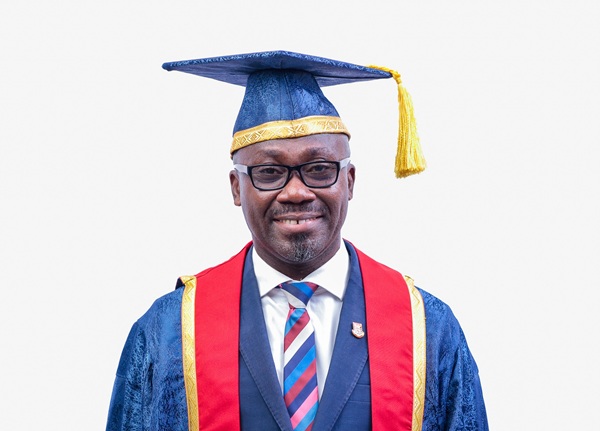
Professor Denis Worlanyo Aheto
The Governing Council of the University of Cape Coast (UCC) has confirmed the appointment of Professor Denis Worlanyo Aheto as the new Vice-Chancellor of the school, effective August 1, 2026. Prof Aheto was acting as Vice Chancellor after the previous VC’s contract ended last year.
The decision to appoint him full-time was made at a Special Meeting of the Governing Council held on Thursday, May 15, 2026. This marks a major leadership change at one of Ghana’s top public universities.
A statement signed by the Registrar, Gideon Enoch Abbeyquaye, confirmed that Professor Denis Worlanyo Aheto, who currently serves as Acting Vice-Chancellor and Pro Vice-Chancellor, will officially take on the substantive role in August.
Professor Denis Worlanyo Aheto’s rise follows years of service in senior academic and administrative positions within UCC, where he has been closely involved in school governance, research leadership, and capacity-building efforts.
He is widely known for his work in coastal ecology and marine resource management, especially through his role as Director of the Centre for Coastal Management at UCC. He has also led several high-value international research and development projects, including USAID-supported fisheries and coastal management programmes and initiatives funded by the Danish Foreign Ministry.
Together, these projects have brought in funding of over US$12 million, strengthening UCC’s reputation as a leading centre for marine and environmental research in the sub-region.
Professor Denis Worlanyo Aheto has also represented Ghana in several international scientific and policy platforms across Europe, Asia, Africa, and the Americas. He has contributed widely to academic literature, with over 25 peer-reviewed publications in high-impact journals, including Nature and PLOS ONE.
He previously served as Head of the Department of Fisheries and Aquatic Sciences from 2012 to 2016 and played a key role in setting up the Centre for Coastal Management at UCC.
Beyond academia, he has served in national and international advisory roles, including being a member of Ghana’s implementation committee for the proposed Anomabo Fisheries College, and the UNESCO Man and the Biosphere (MAB) Committee under the Environmental Protection Agency.
READ: See why 2026 BECE candidates must use SHSpath AI For SHS Selection


 Foreign Universities That Accepts WASSCE Results – 2026 Update
 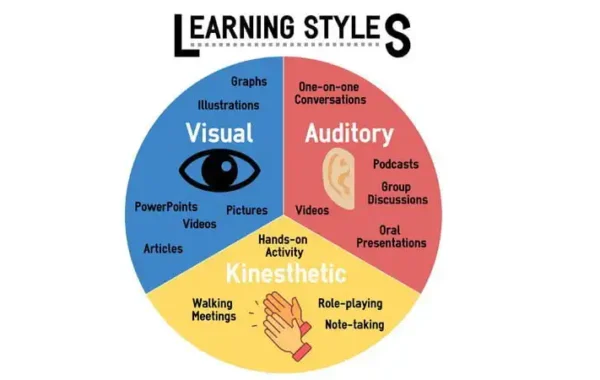 Four Types of Learning Approaches candidate Need To Learn
  How to Study Smarter, Not Harder: 5 Science-Backed Strategies for Students
  NSMQ 2026: Edinaman SHS Stages Comeback to Secure One-eighth Spot!
  NSMQ 2026: Accra Girls’ SHS Storms into the One-eighth Stage!
  GES Opens 2026 CSSPS School Choice Upload – Heads of Basic Schools Have 3 Days