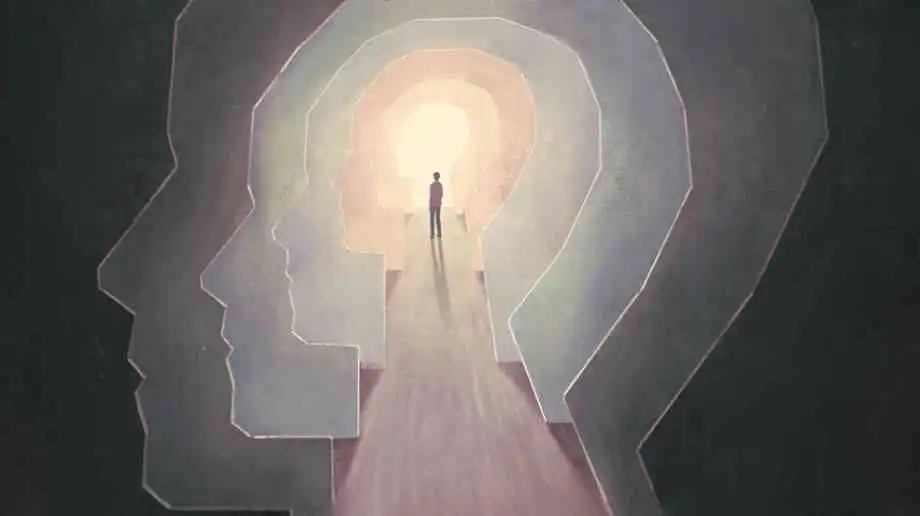
Harriet Gill from charity Coram Life Education discusses the vital role effective PSHE education plays in supporting children’s mental health in primary schools
Supporting mental health through PSHE education
In today’s digital-first, post-pandemic world, children face great challenges that can impact their mental wellbeing (Education Endowment Foundation, 2022). Evidence shows that school-based programmes of social and emotional learning can help young people acquire the skills needed to make academic progress as well as benefiting their health and wellbeing (UKHSA, 2021).
Opportunities exist to develop and promote such skills through a Personal Social Health and Economic education (PSHE) curriculum in particular; it provides them with the necessary knowledge, skills, attitudes and values to navigate these challenges.
The charity Coram Life Education draws on 35 years’ experience delivering PSHE in 2,800 primary schools annually to explore the PSHE’s impact on children’s mental health.
A PSHE curriculum equips children with essential life skills. It is mandatory in independent schools. Maintained schools commonly focus on statutory Relationships, Sex and Health Education (RSHE) as part of a broader PSHE curriculum.
PSHE focuses on pupils’ social and emotional development, relationships, both on and offline, physical health (including alcohol and other drugs), and economic literacy. These fundamental areas shape a child’s development, wellbeing and preparation for later life.
CHEAP NON-EXPIRING DATA
Buy affordable data bundles that never expire. Reliable and Instant Delivery!
BUY CHEAP DATA NOWDeveloping self-awareness
A primary component of PSHE is personal development (Ofsted framework, 2023) which develops children’s self-awareness, self-esteem, and emotional intelligence. Through PSHE, children learn to understand their feelings and emotions – crucial in managing their mental health. By identifying and managing emotions, they are less likely to supress negative feelings, reducing the risk of stress and anxiety.
Healthy relationships are crucial for mental wellbeing. PSHE helps children build positive relationships, handle conflicts, and develop empathy, enabling children to establish strong support systems, and sense of connection and belonging in school; this can prevent mental health issues and improve school attendance.
From an early age, children learn key skills, laying the foundations for their emotional development, learning about respectful relationships, boundary-setting, and consent, reducing the likelihood of bullying and sexual harassment, whilst building self-esteem.
PSHE incorporates Health education: nutrition and exercise education encourage children to adopt healthy lifestyles, improving their mental health. Drugs education helps them make informed choices and understand the risks of substance use, which can exacerbate mental health issues.
EXCEL IN YOUR EXAMS
Get instant access to the most reliable Mocks and Marking Schemes.
BUY TOP 2026 BECE MOCKS AND ANSWERSReducing anxiety in adulthood
Economic literacy equips children with the skills to manage their finances. Financial anxiety contributes significantly to poor mental health. Teaching children how to manage finances helps them take appropriate responsibility and can reduce finance-related anxiety in adulthood.
PSHE is vital to children’s mental health. One in six children aged seven to 16 years have a probable mental disorder (NHS Digital, 2022), an increase from one in nine in 2017. But PSHE can help reduce this.
It provides opportunities for early intervention in identifying mental health issues. The Early Intervention Foundation found that programmes are more likely to be effective and result in enduring positive change when implemented as part of a multi-tiered whole-school approach to improving young people’s mental health and behaviour including: education interventions, a supportive school environment, and mental health services to support the most vulnerable.
The ability to bounce back
PSHE helps children develop resilience – the ability to bounce back from setbacks. A key protective factor for mental health, resilience enables children to better cope with stress and adversity.
Through PSHE, children learn how to communicate effectively, an essential skill in seeking help when needed, talking about feelings, and addressing mental health concerns without stigma.
Enhancing social, emotional and behavioural skills – including recognising and regulating feelings, conflict-resolution skills, behavioural self-regulation, empathy and perspective-taking – is key to young people’s mental health and wellbeing, and supports them in achieving positive outcomes in school, work and life.
Yet PSHE faces several challenges. The quality of it varies greatly between schools. A lack of standardised curriculum undermines its effectiveness, giving it peripheral status in school timetables. Misconceptions and myths about PSHE and its role in children’s early education can undermine teachers’ confidence to teach a comprehensive programme, including topics around mental health.
Teachers report limited confidence in being able to respond to pupil’s mental health and behavioural needs; high-quality training is needed to equip them to support young people.
In addition, involving parents in shaping PSHE programmes can create a joined-up support system for children where their mental health is nurtured at school and at home.
Essential for mental health
PSHE Education is crucial to children’s mental health. It equips them with the knowledge and skills they need to navigate the challenges of the modern world while fostering resilience, reducing stigma, and promoting healthy relationships. Investing in comprehensive PSHE programmes is an investment in the mental wellbeing of future generations, ensuring they have the tools to lead healthy, fulfilling lives.
READ: Content for new British Sign Language GCSE published
Coram Life Education supports one in six primary schools with wellbeing workshops, online SCARF resources and teacher training.
Source: Educationbusinessuk.net
