Registration Opens: Join the 2026 BECE Home Mock to Secure Grade 1s JOIN NOW ×

EduWatch warns July 2024 BECE candidates over exam malpractice

EduWatch warns July 2024 BECE candidates over exam malpractice

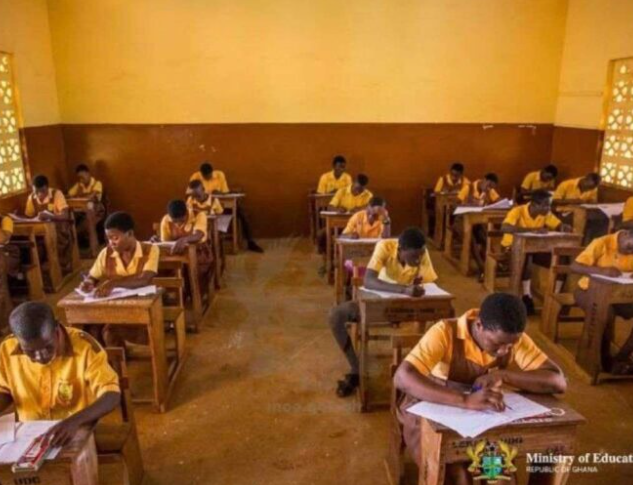
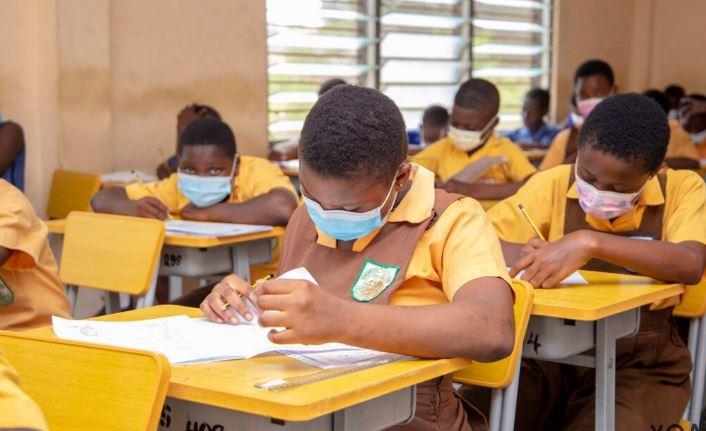
Due to the 2023 Ghana WASSCE cancellation of about 35,000 students’ subject, an organization called the EduWatch has advised and cautioned Junior High School candidates who would sit for the 2024 Basic Education Certificate Examination (BECE) to avoid any malpractice at the exams hall.

Mr. Kofi Asare who is the Director of the EduWatch Organization, made a social media post advising parents to educate their children about the potential effects of indulging in examination malpractices, citing that it an make their results look bad.

“Over 32,000 students had one core subject result cancelled at WASSCE 2023 for exam fraud, a practice usually learnt from the basic level and perfected at secondary. As your wards prepare for BECE, talk to them about exam fraud & integrity,” he said in a post.

According to the 2024 Basic Education Certificate Examination (BECE) for School and Private Candidates timetable, BECE candidates will write English Language and Religious and Moral Education on Monday, July 8, 2024.

ALSO READ: Teacher Shortage in Afram Plains: Education Director appeals for more teachers

Then on July 9, 2024 which is a Tuesday, candidates will write Science and Computing, which was previously Information, Communication and Technology (ICT), and then write Social Studies and Creative Art and Design on Wednesday, 10th July, 2024.

On Thursday, not only the mathematics paper would be written but Ghanaian language as well.

Then French and Career Technology would be written on Friday, July 12, 2024.

Finally, Arabic BECE exams will then be written on Monday, July 15, 2024.

In other news, the Ministry of Education in Ghana is assuring the general public, particularly stakeholders such as parents, that the standard of the West African Senior School and Basic Education Certificate Examinations shall not be compromised for anything.

“We have made monumental progress, and over the past few years, WAEC has instituted several measures to curb exam malpractices during the BECE and WASSCE test administration,” the Education Ministry said in a statement.

ALSO READ: Teacher licensure exams ‘insult’ to Colleges of Education – Mahama

It implies that there would be a strict supervision measure by the West African Examinations Council (WAEC) in collaboration with the Ghana Education Service (GES) to ensure the integrity of the BECE examination.

ALSO READ: Eduwatch Proposes 1-Year Agriculture Course for SHS 1 Students in Ghana

“The Ministry of Education wishes to assure our students, parents, guardians, and the general public that the quality of education and examinations at all levels, including the WASSCE, was not and will not be compromised,” MoE said.

Share Our Post on The Topic ‘EduWatch warns July 2024 BECE candidates over exam malpractice’.

To Read More Stories, Click Here.

Eduwatch Proposes 1-Year Agriculture Course for SHS 1 Students in Ghana

Eduwatch Proposes One-Year Agriculture Course for SHS 1 Students in Ghana

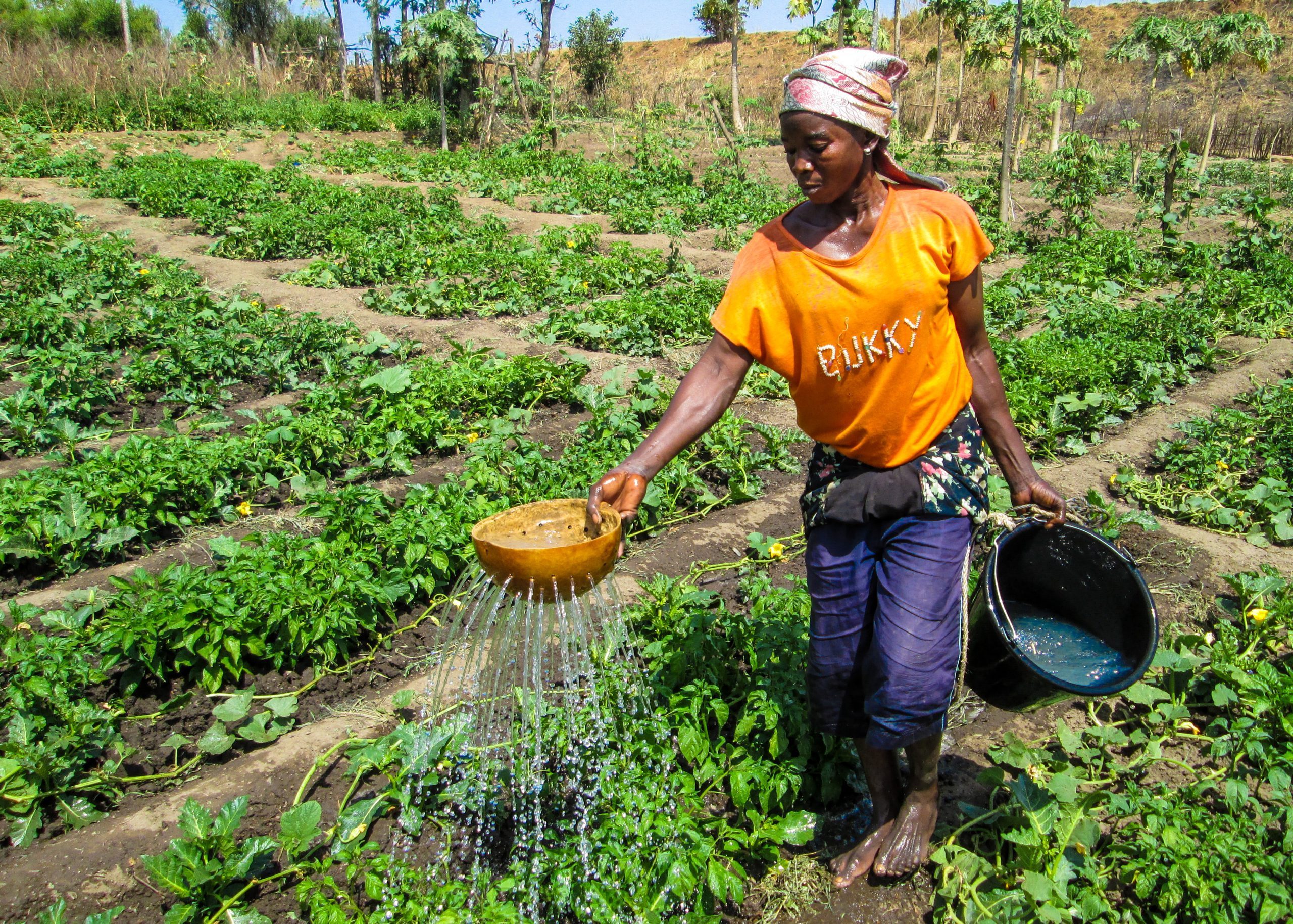
In the recent Ghana education News, Africa Education Watch AKA EduWatch, has planned to have a discourse with the ministry of education to make Agriculture a compulsory course for all freshers / year 1 students in SHS.

The purpose of the mandatory agriculture course aims to include agricultural education into the GES SHS curriculum as a basic subject for all first year students.

In a social media post sighted by Ghanaeducation.org, the Executive Director of EduWatch, Mr. Kofi Asare, stated that the proposal is still in a draft form and subject to parliament approval before implementation later this year.

Kofi Asare’s social media post follows the current pilot of the new Senior High School Curriculum in approximately 30 second cycle schools.

The EduWatch Organization is hopeful that the final results and the piloting phase will be positive and have a great impact on the curriculum.

EduWatch believes that adding an agriculture course to the new SHS curriculum will not only improve students’ understanding of the course but also improve agricultural knowledge and practical skills among the youth, which is essential for a country like Ghana.

As you read, the pilot phase of the new SHS curriculum is closely monitored, with the hope that the outcome helps inform the final adjustments and enhancements.

The National Council for Curriculum and Assessment (NaCCA) is overseeing this process, with two schools, Okuapeman Senior High School and Mampong Senior Technical School, specifically mentioned as part of the piloting efforts.

ALSO READ: What is the Deadline for KNUST Undergraduate Admission 2024-2025?

Feedback and reactions from these two schools are very important in making the curriculum better before it is rolled out on a national level.

The head of the Curriculum Directorate at the NaCCA, Mr. Reginald Quartey, explained that the new curriculum for senior high schools in Ghana aims to solve not only the academic path but also the social, emotional, and behavioral issues, along with education values of nation.

The strategic approach of the new SHS curriculum is sketched to produce an all-rounded students who are ready for the diverse challenges of the modern job market and the world.

Also, the curriculum establishment process has involved stakeholders such as persons with disabilities to ensure an all inclusive and accessible curriculum to students.

Quartey highlighted the involvement of T-Tel (Transforming Teaching Education and Learning), a Ghanaian non-profit organization, in this endeavor.

T-Tel has been instrumental in constituting an Inclusive Education Expert Advisory panel, which is focused on enhancing the accessibility of the curriculum for learners with disabilities.

This collaborative effort aims to ensure that all students, regardless of their physical or learning needs, have the opportunity to benefit from the new educational framework.


In conclusion, Eduwatch’s proposal to make Agriculture a one-year foundational course for SHS 1 students reflects a broader effort to enrich the SHS curriculum with practical and relevant subjects.

By incorporating feedback from the ongoing pilot phase and ensuring the inclusivity of the curriculum, the Ministry of Education and NaCCA aim to create a robust educational system that prepares Ghanaian students for the future.

Share Our Post on the Topic ‘Eduwatch Proposes One-Year Agriculture Course for SHS 1 Students in Ghana’.

To Read More Stories, Click Here.

Here is what EduWatch says about Bawumia’s Free tertiary scholarships for PWDs

Here is what EduWatch says about Bawumia’s Free tertiary scholarships for PWDs

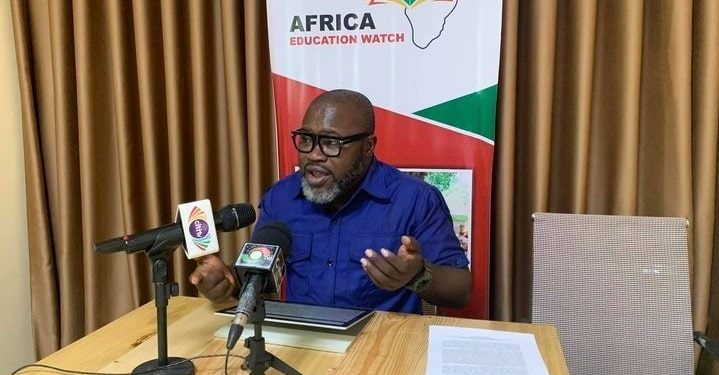
Africa Education Watch (EduWatch), a prominent educational advocacy group, has responded to Dr. Mahamudu Bawumia’s recent promise to offer free tertiary scholarships to Persons with Disabilities (PWDs).

Dr. Bawumia, the flagbearer of the New Patriotic Party and Vice-President of Ghana, made this pledge during an engagement with the clergy in Sefwi-Wiawso, Western North Region.

This announcement is part of a broader agenda aimed at enhancing the support system for PWDs, which he plans to implement should he be elected in the 2024 presidential election.

In his speech, Dr. Bawumia highlighted that the proposed scholarships would cover both tuition and accommodation for PWDs who gain admission to universities.

He plans to allocate funds from the Scholarship Secretariat and GETFUND specifically for this initiative.

This approach, according to him, is to ensure that higher education becomes entirely accessible to PWDs, helping to level the playing field and fostering an inclusive educational environment.

Moreover, Dr. Bawumia, who also serves as the Patron of Lepers Aid Ghana, emphasized his ongoing commitment to supporting the vulnerable.

His track record includes numerous initiatives aimed at assisting marginalized groups, reinforcing his promise to prioritize broader and more effective support for PWDs under his administration.

While EduWatch commends this initiative as a positive development, the organization points out a significant hurdle that could undermine the effectiveness of such a program: the persistent issue of graduate unemployment among PWDs.

ALSO READ: Non-teaching staff in GES form new group, break away from TEWU

According to EduWatch’s Executive Director, Kofi Asare, who expressed his concerns via a social media post, many PWDs remain unemployed years after completing their tertiary education.

The main challenges they face include the reluctance of employers to modify workplace facilities to accommodate their needs and concerns over assumed lower productivity.

This situation is exacerbated by the lack of equitable employment practices in both the public and private sectors.

The public sector, expected to lead by example, falls short in implementing inclusive hiring policies, and the private sector, lacking incentives, often does not consider employing PWDs a viable option.

EduWatch argues that while providing free tertiary education to PWDs is a commendable step, it must be complemented by robust employment policies.

The organization stresses the necessity for an effective equitable employment policy that not only facilitates but also ensures the integration of PWDs into the workforce.

Such policies should include incentives for businesses to hire PWDs and invest in necessary workplace adaptations.

Additionally, EduWatch suggests the creation of employment pathways that are specifically designed for PWDs, to help integrate this often-overlooked demographic into various professional fields.

Without these measures, the well-intended educational benefits could fail to translate into economic prosperity for PWDs.

To truly empower PWDs, EduWatch calls for a holistic approach that encompasses education, employment, and social integration.

The organization urges all political parties to consider these factors seriously and to incorporate them into their agendas.

By doing so, they can ensure that the educational initiatives launched for PWDs lead to tangible improvements in their quality of life and allow them to contribute effectively to society.

In conclusion, while Dr. Bawumia’s initiative marks a significant step forward in addressing the educational needs of PWDs, it also casts a spotlight on the broader challenges that need addressing.

This holistic approach will not only uplift individuals with disabilities but will also enrich the societal fabric by making it more inclusive and equitable.

Share Our Post on the Topic ‘Here is what EduWatch says about Bawumia’s Free tertiary scholarships for PWDs’.

To Read More Stories, Click Here.

SHS Boarding Students Must Pay Fees – GES Told

SHS Boarding Students Must Pay Fees -GES Told

Education think tank, Africa Education Watch (EduWatch) have told GES to allow SHS boarding Students to pay fees.

EduWatch report suggests that parents opting for their children to stay in boarding facilities should bear the associated costs, marking a potential shift in the implementation of the widely lauded education initiative.

Africa Education Watch’s report recommends a significant adjustment to the Free SHS policy, proposing that parents who choose to enroll their children in boarding schools should be responsible for covering the expenses. This proposal aims to ensure that the burden of funding education is more evenly distributed between the government and parents, particularly those who can afford to pay for their children’s boarding fees.

The think tank underscores the importance of equitable access to education and suggests that free boarding secondary education should be prioritized for students in underserved communities. By targeting resources to those most in need, the proposal seeks to address disparities in educational opportunities across different socio-economic backgrounds.

According to the report, allowing parents to pay for boarding fees could provide the government with an additional source of revenue to complement the Free SHS program. This approach may help alleviate some of the financial strain on the government and ensure the sustainability of the initiative in the long run.

In the medium-to-long term, Africa Education Watch recommends a gradual transition from the current norm of boarding schools to day schools as the standard. However, for parents who still opt for boarding status despite the availability of free day schooling, the report suggests they should bear the full cost of boarding fees for their children.

Additionally, the report highlights the need for improved disbursement of funds under the Free SHS policy to enhance teaching and learning in schools. Timely allocation of funds is deemed crucial for procuring essential items and resources, thereby reducing the financial burden on parents and ensuring a conducive learning environment for students.

Africa Education Watch’s recommendations aim to strike a balance between ensuring equitable access to education and addressing the financial sustainability of the Free SHS program. By proposing adjustments to the policy, the think tank seeks to optimize the allocation of resources and enhance the quality of education for all Ghanaian students.


2023 BECE Results Expected To Be Out By Monday

2024 BECE Practical Question

According to Africa Education Watch, the 2023 Basic Education Certificate Examination (BECE) result is expected to be out by Monday, 13th November, 2023.

“We expect BECE results by Monday, there is no need for parents to be apprehensive. Accept your ward’s results as theirs” Kofi Asare, Executive Director of EduWatch wrote.

2023 BECE Results Expected To Be Out By Monday

Below is the grading system for the 2033 BECE.

  1. 90-100 is graded as 1. It is the HIGHEST grade in the grading system.
  2. 80-89, the second category in this classification is graded as 2, GRADE A. it is denoted as HIGHER.
  3. 70-79, is grade 3, a B+ and is described as HIGH.
  4. 60 -69 is grade 4, GRADE B, described as HIGH AVERAGE.
  5. 55 – 60 is GRADE C+, classified as 5 and described as AVERAGE.
  6. LOW AVERAGE is a description of marks falling between 50-54 and GRADE C; number 6 in the grading system.
  7. Any mark ranging between 40-49 is considered as GRADE D+ and number 7; described as LOW
  8. 35-39 is GRADE E which is number 8, described as LOWER in the Stanine grading system.
  9. GRADE F, 9 characterized by 9 is the LOWEST grade, which falls between 0-34

WAEC sometimes uses the Stanine grading system for BECE. It is norm-referenced, meaning, the result’s architecture is pre-determined. Under Stanine, the % of candidates who will obtain Grade 1-9 is virtually fixed, so you must justify your inclusion into that percentage.

READ ALSO: Reasons why GES cannot punish JHS1 and 2 students who wrote 2023 BECE

How To Buy BECE Result Checkers Online With Momo

To buy the checker follow the steps below.

#1. Go to waec-results-checkers

#2. From the list of products, select BECE result checkers

#3. Choose the quantity you want to to buy eg. 1 or 2 under the How Many (- and+ ) button

#4. Click Add to bag

#5. Click Check Out

#6. Enter your name, email and phone number (Momo Number Only)

#7. Complete the payment with the code sent to your phone via text message

#8. You will be directed to our WhatsApp Chat

#9. Prove the email and phone number (Momo Number) use used to purchase

#10. We confirm and deliver the Result Checker via the same WhatsApp.

How to Check 2023 BECE Results

To check your BECE results online, follow the steps below but make sure you already have a valid BECE result check. To get a valid BECE Result Checker, Click Here

Step 1: Log onto the WAEC result portal for BECE candidates at eresults.waecgh.org

Step 2: On the port, the first detail you enter is your INDEX NUMBER

Step 3: Enter your INDEX NUMBER again in the second space to confirm it as accurate.

Step 4: Select your exam type, which should be BECE (School) if you were registered for the exam by a private or public school or Select BECE (Private) if you were not registered for the exam by a school.

Step 5: Select your exam year. For 2023 candidates, your exam year is 2023.

Step 6: Enter the SERIAL NUMBER on the result checker scratch card. (Check well to avoid mistakes)

Step 7: Enter the PIN NUMBER on the result checker scratch card. (Check well to avoid mistakes)

Step 7: Think the box [   ] before the “I am not a robot”  ReCAPCHA

Step 8: Click Submit

Wait patiently for the result to load.

Once the result loads, you can print it or save it as a PDF file on your computer or mobile device.


Ghana Education News