
4 Benefits Of Alata Samina You Did Not Know: African Black Soap
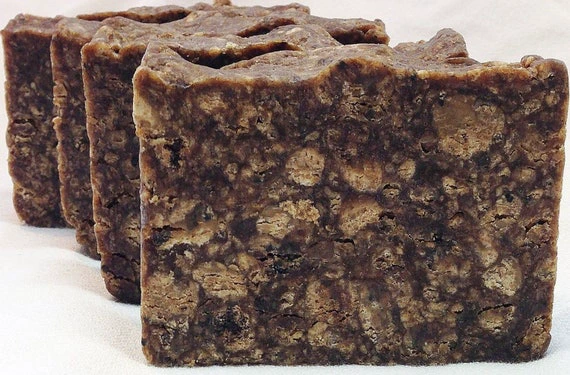

The word ‘alata samina’, used by Ghanaians, means ‘The Pepper Trader’s Soap’. African Black soap which is famously known as ‘alata samina’ in Ghana is made from plants ashes of the barks of plantain, palm tree leaves, and Shea tree bark that are locally harvested. The African black soap can be used for a variety of purposes like washing hair, hands, face and for bathing. Checkout 4 benefits of Alata Samina.
4 Benefits Of Alata Samina You Did Not Know: African Black Soap
1. It may help reduce hyperpigmentation
Sun damage caused by excessive exposure to UV rays can leave ugly, dark spots on your skin called hyperpigmentation. The soap contains ingredients such as shea butter, a revolutionary ingredient that repairs skin by increasing collagen production. This lightens dark spots and reduces hyperpigmentation by removing excess oils from the skin’s surface. With the continues use of the soap, you will regain the natural color of your complexion, giving you a more even tone with less noticeable scars or marks on your face.
2. It helps reduce stretch marks and wrinkles.
Shea butter and coconut oil present in African black soap is reduces stretch marks and wrinkles, as it may help reduce collagen loss and encourage new development. In turn, this can help plump up fine lines and wrinkles. The rough texture of the soap can also exfoliate dead skin cells that make fine lines more noticeable. In application of the soap, overstretch marks will fade it off gradually until it is gone.
3. It prevents razor bumps

If you are used to having razor bumps after you shave, you may want to give African black soap a try. The oil and butter in African black soap may help soothe skin to prevent the aftereffects of razor burn. After you have waxed or shaved, your skin needs proper exfoliation to prevent the dead skin cells from blocking the pores and causing razor bumps. Using African black soap can help in preventing the bumps and infections that result from shaving and waxing your skin.
READ: Natural Ways To Get Rid Of Your Yellow Teeth
4. It clears scars
The pure oils and butters in African black soap are rich in vitamin A, E and essential fatty acids that help reduces the scarring. It also in healthy skin growth and regeneration.
The traditional ‘African black’ soap does not contain synthetic ingredients and artificial dyes and fragrances. Therefore, it is safe for all skin types, unless you are allergic to any specific ingredient in it. These ingredients are palm oil, coconut oil, raw African shea butter or Shea tree bark, cocoa pods, plantain skin, and honey.


 Ghana’s First Aptitude Practice Online Service Launched by Education-News Consult
  Master Security Services Aptitude Test: Solve All Likely Questions on skulmanager.com/aptitude/test
 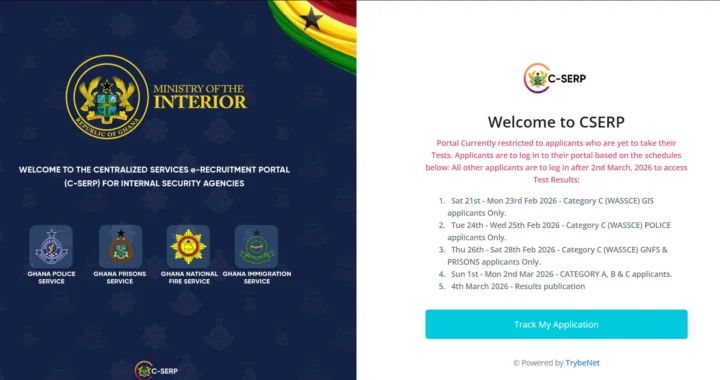 New Aptitude Test Dates for GIS, Police, and Prisons Recruitment 2026 Out
  6 Dead in Fatal Fuel Tanker Explosion on Accra-Nsawam Highway
  Terrorist Attack Ghanaian Tomato Traders in Burkina Faso
  CAGD Salary Suspension 2026: Deadlines and Actions for Affected Staff
  How to Install the WAEC DigiCert App: Step-by-Step Guide and Public Reaction
  How to Recover Your Lost WAEC Index Number Using DigiCert App
  WAEC Launches Digital Certificate (DigiCert) Services in Ghana and West Africa