Why, in the Quran, does Allah refer to Himself as we?
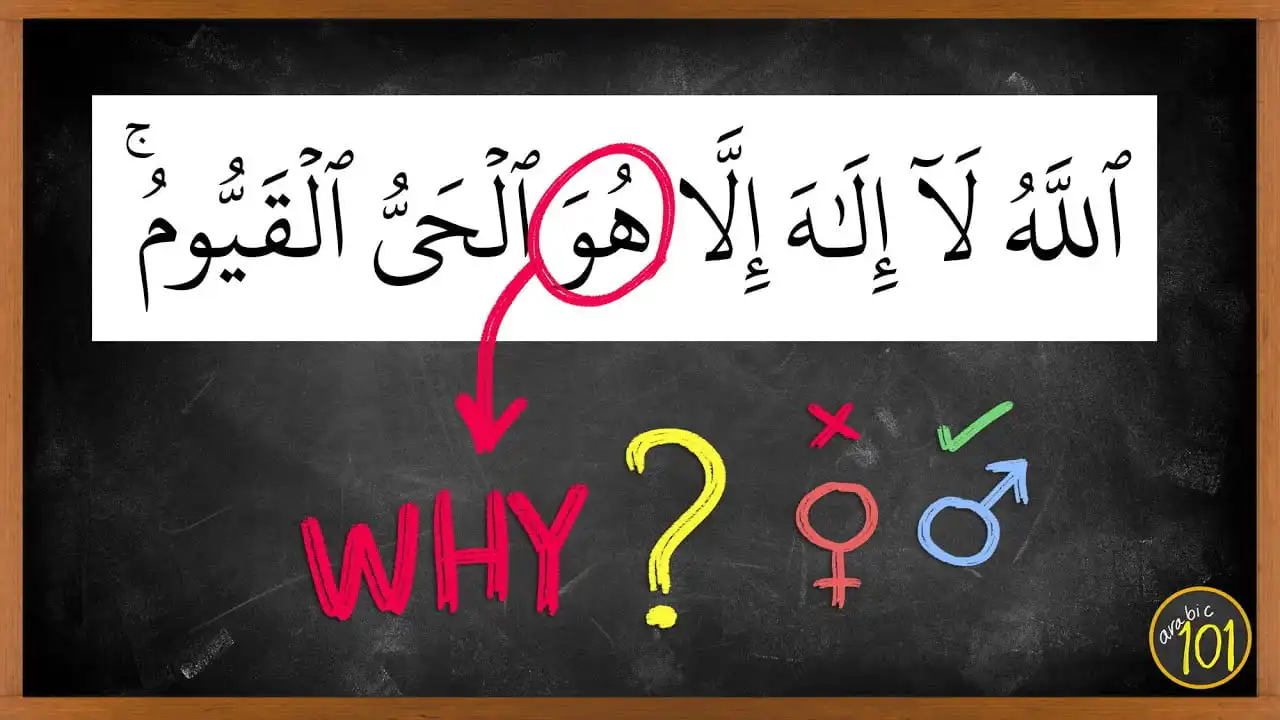
In the Quran, Allah refers to Himself using the word ‘We,’ which has sparked curiosity and raised questions among many. To comprehend the significance of this usage, it is essential to understand the monotheistic nature of Islam. Despite the plural form, the Islamic belief staunchly upholds the concept of one God. This post aims to shed light on the reason behind the Quran’s usage of ‘We,’ drawing parallels to the plural form in different languages and clarifying its meaning within the context of Islamic monotheism.
Why, in the Quran, does Allah refer to Himself as we?
I. The Plural of Respect
In various languages, including English and Hindi, there exists a plural form used to convey respect or honor. For instance, the Queen of England refers to herself as ‘We’ instead of ‘I’ as a part of the “royal plural.” Similarly, former Indian Prime Minister Rajiv Gandhi used the Hindi word ‘Hum’ meaning ‘We’ to express respect. In Arabic, when Allah refers to Himself as ‘We’ (Nahnu), it signifies the same concept of respect rather than indicating a numerical plurality.
II. Uncompromising Monotheism
Islam is rooted in the principle of uncompromising monotheism, emphasizing the oneness and uniqueness of Allah. The Quran reiterates the existence of one God throughout its verses. For instance, Surah Ikhlas (Quran 112:1) asserts, “Say, ‘He is Allah, [who is] One.'” This proclamation reinforces the core Islamic belief in the singularity and unity of Allah.

READ: Understanding Why Christians Take the Grace of God for Granted
III. Linguistic and Cultural Context
The Quran, being revealed in Arabic, must be understood within its linguistic and cultural context. Arabic possesses its own grammatical rules, including the usage of plurals. The plural form ‘We’ in Arabic carries a sense of grandeur, respect, and magnificence, reflecting the majesty and exalted status of Allah. It does not suggest a plurality of gods but rather emphasizes the reverence due to Allah.
IV. Modern Examples of Respectful Language
In modern contexts, we can observe similar linguistic nuances that convey respect through plural forms. For instance, when addressing a distinguished individual or institution, a speaker may employ the plural form out of deference. This practice is evident in various cultures and languages, highlighting the linguistic diversity of respect expressions.
The Quran’s usage of the plural form ‘We’ to refer to Allah serves as a linguistic manifestation of respect and honour. It aligns with the Islamic principle of monotheism, emphasizing the oneness and uniqueness of Allah. Just as other languages employ the plural form to convey respect, Arabic employs the plural form ‘We’ to accentuate Allah’s magnificence. It is crucial to understand this usage within the framework of monotheism and cultural linguistics. By recognizing and appreciating the nuances of language, we can deepen our understanding of Islamic beliefs and foster intercultural dialogue.