
The Poll Tax Ordinance of 1852
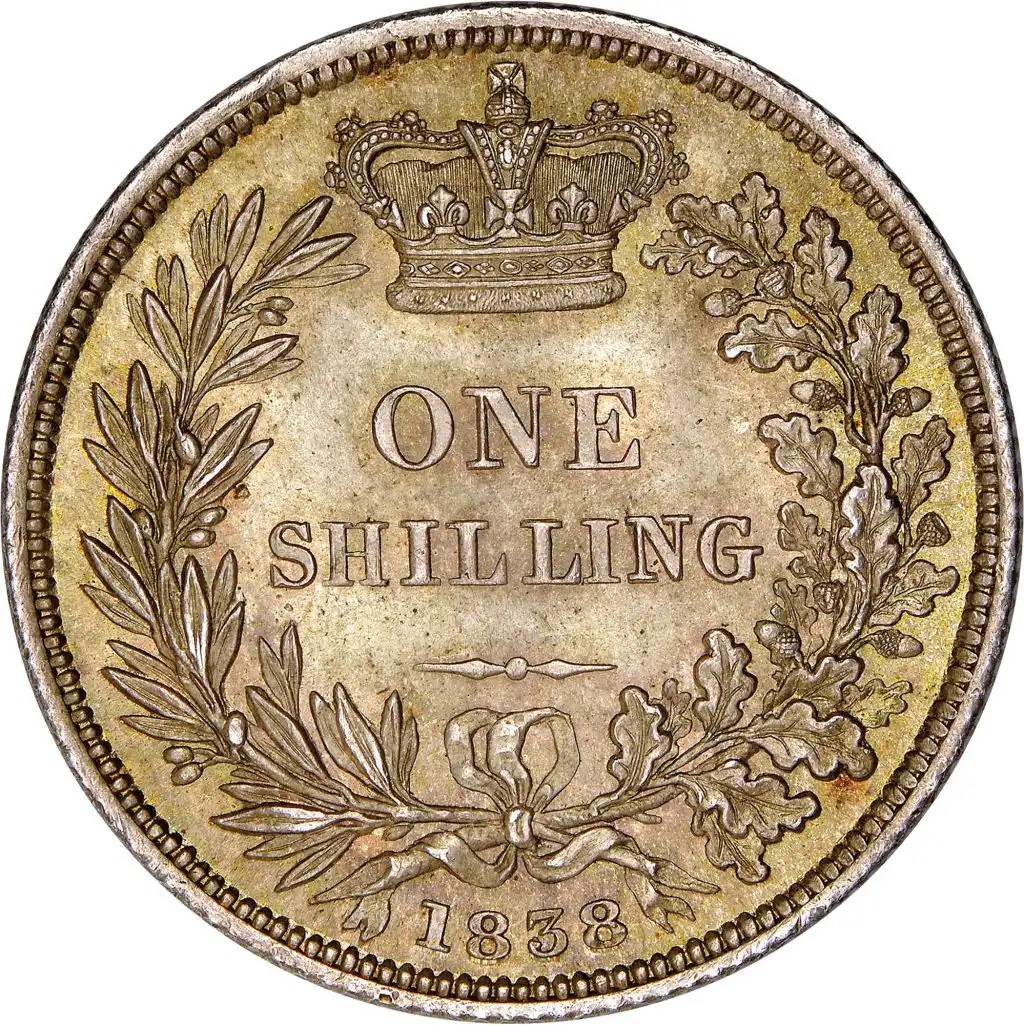
One method employed by the British colonial government to raise fund to run the administration of the colony smoothly was the introduction of the Poll Tax Ordinance.
The Poll Tax Ordinance was introduced on 1st April 1852 by the British government to raise some amounts to provide and improve social amenities in order to improve the well-being of the citizens in the colony.
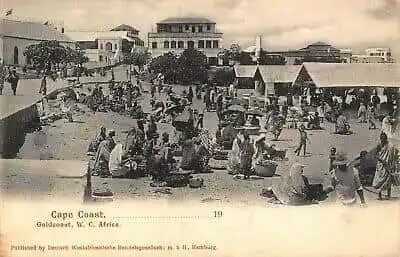
According to the statement released by the colonial administrators indicates that every individual adult will pay an amount of one shilling yearly to support the government to carry out administration effectively.

One of the reasons why the indirect rule was introduced was inadequate funds to pay the personnel who they will employ in the governance.

This simply indicates that there were inadequate funds for the British to use to carry on day-to-day affairs of the colony.
WANT TO PASS 2027 BECE? REGISTER FOR BECE HOME MOCK
Register your ward for Ghana's premier Home Mock service, active since 2022.
In order to get money to increase developmental projects and pay their administrators and workers, they introduced the Poll Tax Ordinance.
The Poll Tax Ordinance was signed by Governor Stephen John Hill.
The Poll Tax Ordinance did not last for a longer period as a result of the issues and controversies concerning the Ordinance. There were a couple of factors that contributed to the failure of the Poll Tax Ordinance, which include; Ignorance.
Some Gold Coasters decided not to patronize the Ordinance since the British government failed them in terms of social amenities. Most of the developmental projects were situated in the principal cities and leaving the rural inhabitants with less developmental projects. The local people decided not to adhere to the policy implemented by the British to collect Tax from the Citizens to aid their administration.
Biography of KODA; Age, Wife, Children, Education, Career, Cause of Death
In addition, Poor monitoring was another factor that led to the failure of the Poll Tax Ordinance in the fact that, the British were not able to put any better measures in place. They did not create any office that will be in charge of the collection of the tax. In some cases, those who employed sometimes pocket some of the money.
Another factor was lack of education on the uses of the tax. Majority of the indigenous did not understand the reasons why the British were demanding such amount from them. Since the British refused to educate the citizens on the use of the tax, the people refused to pay.
Failure of the British to protect the Fantes from the Ashanti invasion contributed to the failure of the Poll Tax Ordinance. The Coastal states, particularly the Fante States, thought after they pay the tax the British will protect them the superior Asante state but, the British refused.
The Chiefs and the people decided not to pay the tax since they are not earning anything beneficially from the British.
As a result of poor planning and other issues to the Poll Tax Ordinance, the Ordinance was abolished in the Colony in 1861
 Why WAEC will not release the 2026 BECE result on 15th July as stated
  South Africa’s Lazy Mindset and Xenophobia Will Not Solve Its Problems
  The Soft Life Lie: Real Costs for Ghanaian Youth in 2026
  How To Help Your Teenage Children Battling with Addictions
  The role of parents in building a child’s self-esteem
  The 10 “Demons” Bedeviling the GES and Their Impact on Teacher Morale