
How To Integrate Social and Emotional Learning Into Teaching

Social and Emotional Learning (SEL) is a holistic approach to education that emphasizes the development of essential life skills beyond academic knowledge. As a teacher, let’s see how you can integrate it in teaching.
Social and Emotional Learning encompasses the acquisition of skills such as self-awareness, self-management, social awareness, relationship skills, and responsible decision-making. SEL equips students with the tools they need to understand and manage emotions, set and achieve goals, establish positive relationships, and make responsible choices. The benefits of SEL extend beyond the classroom, fostering resilience, empathy, and well-being that are essential for success in school, work, and life.
Incorporating SEL into Lessons
Incorporating SEL into daily lessons and activities is essential for promoting holistic development and creating a supportive learning environment. Teachers can integrate SEL into lessons by embedding activities that promote self-reflection, empathy, cooperation, and problem-solving skills. For example, literature discussions can encourage students to explore characters’ emotions and perspectives, while group projects can foster collaboration and communication skills. Additionally, incorporating mindfulness exercises, role-playing scenarios, and reflective journaling activities can help students develop self-awareness and self-regulation skills.
Promoting SEL Skills
Promoting SEL skills requires intentional strategies that empower students to develop and apply essential life skills in various contexts. Teachers can promote self-awareness by providing opportunities for self-reflection and goal-setting, encouraging students to identify their strengths, interests, and values. Social awareness can be promoted through activities that promote empathy, perspective-taking, and understanding of diverse perspectives and cultures. Self-management skills can be developed through strategies such as time management, stress management, and goal-setting techniques. Relationship skills can be fostered through cooperative learning activities, conflict resolution strategies, and communication skills training. Finally, responsible decision-making can be promoted through discussions about ethics, consequences, and problem-solving strategies.

READ ALSO: How To Enhance Classroom Skills For A Productive Learning Environment
Creating a Supportive Environment
Creating a supportive environment that fosters SEL skills requires a whole-school approach that prioritizes the well-being and development of all students. Schools can create a supportive environment by promoting a culture of respect, inclusivity, and belonging, where all students feel valued and supported. This may involve implementing school-wide SEL programs, providing professional development opportunities for staff, and involving parents and caregivers in the SEL process. Additionally, creating physical spaces that are conducive to learning and emotional well-being, such as calming corners or mindfulness rooms, can help students feel safe and supported.
In conclusion, integrating Social and Emotional Learning into education is essential for promoting holistic development and preparing students for success in school and beyond. By understanding the principles of SEL, incorporating SEL into daily lessons and activities, promoting SEL skills, and creating a supportive environment, educators can foster a culture of empathy, resilience, and well-being that empowers students to thrive academically, socially, and emotionally.
Integrating social and emotional learning (SEL) into teaching involves fostering self-awareness, empathy, and interpersonal skills. Teachers can incorporate SEL through activities like group discussions, role-playing scenarios, and mindfulness exercises. Creating a supportive classroom environment where emotions are acknowledged and valued is key to nurturing students’ social and emotional development.


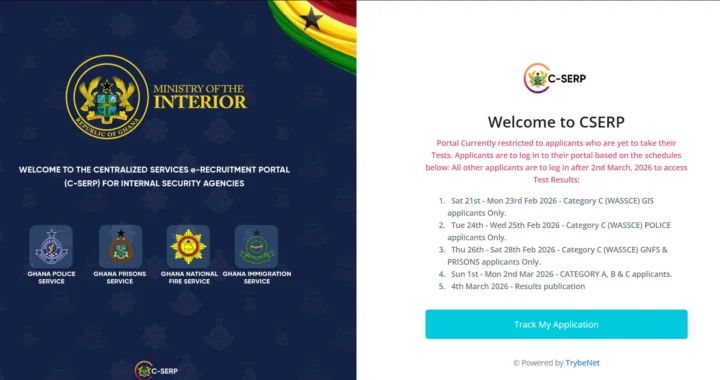 New Aptitude Test Dates for GIS, Police, and Prisons Recruitment 2026 Out
  6 Dead in Fatal Fuel Tanker Explosion on Accra-Nsawam Highway
  Terrorist Attack Ghanaian Tomato Traders in Burkina Faso
  CAGD Salary Suspension 2026: Deadlines and Actions for Affected Staff
  A Plus Defends Paternity Fraud Bill: “Stand Up for the Brotherhood”
  Ghana to Criminalize Paternity Fraud as ‘A Plus’ Proposes Mandatory DNA Testing Bill
  Practice 2026 Ghana Security Services Aptitude Test On Skulmanager.com
 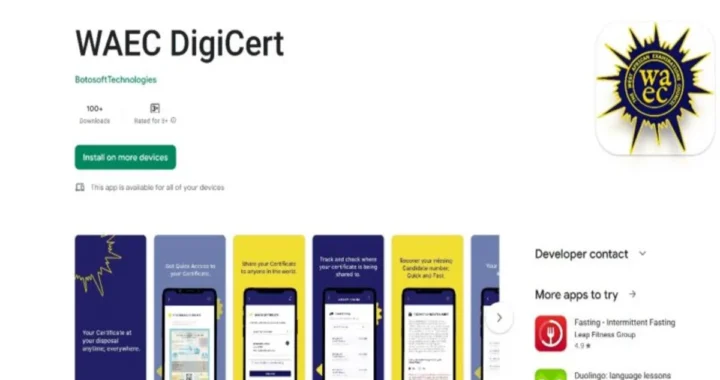 How to Install the WAEC DigiCert App: Step-by-Step Guide and Public Reaction
  How to Recover Your Lost WAEC Index Number Using DigiCert App
  WAEC Launches Digital Certificate (DigiCert) Services in Ghana and West Africa