Preventing Prostate Cancer: Tips for Reducing Your Risk
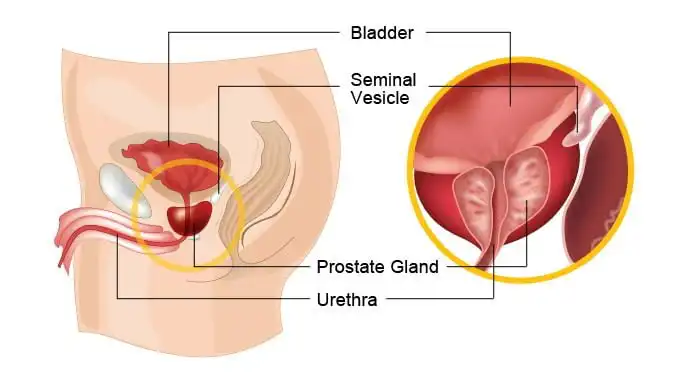
Prostate cancer is a common type of cancer that affects men, with an estimated 248,530 new cases in the United States in 2021. While there is no surefire way to prevent prostate cancer, there are steps that men can take to reduce their risk of developing the disease. In this article, we will discuss these steps and how they can help prevent prostate cancer.
Preventing Prostate Cancer: Tips for Reducing Your Risk
Maintain a healthy diet
A healthy diet that is low in fat and high in fruits and vegetables may help reduce the risk of prostate cancer. Foods that are high in fat, such as red meat and dairy products, have been linked to an increased risk of prostate cancer. On the other hand, a diet that is high in fruits and vegetables, especially those that are high in antioxidants, may help reduce the risk of prostate cancer.
Exercise regularly
Regular exercise has been linked to a reduced risk of Prostate cancer. Exercise can help maintain a healthy weight, which is important for reducing the risk of many types of cancer, including prostate cancer. Aim for at least 30 minutes of moderate-intensity exercise, such as brisk walking, on most days of the week.
Maintain a healthy weight
Obesity has been linked to an increased risk of prostate cancer. Men who are overweight or obese may be more likely to develop prostate cancer, and may also have a higher risk of aggressive prostate cancer. Maintaining a healthy weight through a healthy diet and regular exercise can help reduce the risk of prostate cancer.

Get screened for prostate cancer
Regular screening for prostate cancer is an important part of early detection. Men should talk to their doctor about when to start getting screened for prostate cancer, as well as the best screening tests for them. The most common screening tests for prostate cancer are the digital rectal exam (DRE) and the prostate-specific antigen (PSA) test.
Quit smoking
Smoking has been linked to an increased risk of many types of cancer, including prostate cancer. Quitting smoking can help reduce the risk of many types of cancer, including prostate cancer.
READ: Reducing Your Risk of Prostate Cancer: Understanding the Risk Factors
READ: Prostate cancer: How it develops, symptoms and treatment
Reduce exposure to harmful chemicals
Exposure to certain chemicals, such as pesticides and herbicides, may increase the risk of prostate cancer. Men who work with these chemicals should take steps to reduce their exposure, such as wearing protective clothing and gloves.

While there is no surefire way to prevent prostate cancer, there are steps that men can take to reduce their risk of developing the disease. Maintaining a healthy diet, exercising regularly, maintaining a healthy weight, getting screened for prostate cancer, quitting smoking, and reducing exposure to harmful chemicals are all important steps in reducing the risk of prostate cancer. By taking these steps, men can help protect themselves from this common and potentially deadly disease.
Now that you know how The Preventing Prostate Cancer Tips, Take Steps to or Reduce Your Risk.