
Promoting Social-Emotional Learning: Fostering Resilience and Well-being in Students

In today’s fast-paced and ever-changing world, social-emotional learning (SEL) has emerged as a crucial component of education. Beyond academic achievement, SEL focuses on nurturing the social and emotional skills that enable students to thrive in school, work, and life. From building self-awareness and empathy to managing emotions and fostering positive relationships, SEL equips students with the tools they need to navigate challenges, make responsible decisions, and cultivate well-being. Let’s take a look at ways of fostering resilience in students in the modern world.
1. Understanding the Importance of Social-Emotional Learning
Social-emotional learning is not an add-on or an optional component of education; it is a foundational aspect of student success and well-being. Research has shown that students who develop strong social-emotional skills are more likely to excel academically, have positive relationships, and experience greater overall well-being. SEL is also associated with lower rates of behavioral issues, improved classroom climate, and increased resilience in the face of adversity. By prioritizing SEL, educators can create learning environments that support the holistic development of students and prepare them for success in school and beyond.
2. Integrating SEL into the Curriculum
Integrating SEL into the curriculum involves weaving social-emotional learning principles and practices into all aspects of teaching and learning. Educators can embed SEL into academic instruction by incorporating activities, discussions, and reflections that promote self-awareness, self-management, social awareness, relationship skills, and responsible decision-making. Whether through literature discussions that explore characters’ emotions, cooperative learning activities that promote teamwork, or mindfulness exercises that foster self-regulation, SEL can be integrated into lessons across subject areas and grade levels.
READ ALSO: Strategies for Integrating Digital Tools in the Classroom

3. Creating a Safe and Supportive Learning Environment
Creating a safe and supportive learning environment is essential for fostering SEL skills and promoting student well-being. Educators can establish classroom norms and routines that prioritize respect, inclusivity, and belonging, where all students feel valued, supported, and accepted. By modeling empathy, compassion, and positive communication, educators set the tone for respectful and collaborative interactions among students. Additionally, creating opportunities for students to express themselves, share their thoughts and feelings, and seek support when needed fosters a sense of connection and belonging that is essential for social-emotional development.
4. Providing Explicit SEL Instruction
In addition to integrating SEL into the curriculum, providing explicit SEL instruction can further enhance students’ social-emotional skills and well-being. Educators can use evidence-based SEL programs and resources to teach specific skills and competencies, such as self-awareness, self-management, social awareness, relationship skills, and responsible decision-making. By providing direct instruction and practice in these areas, educators help students develop the social and emotional competencies they need to navigate life’s challenges and succeed in school, work, and life.
5. Fostering Partnerships with Families and Communities
Fostering partnerships with families and communities is essential for supporting SEL both inside and outside the classroom. Educators can engage families in conversations about SEL, providing resources and strategies for supporting social-emotional development at home. Additionally, collaborating with community organizations and mental health professionals can provide additional support and resources for students who may be experiencing social-emotional challenges. By working together, educators, families, and communities can create a seamless network of support that promotes the social, emotional, and academic success of all students.
In conclusion, promoting social-emotional learning is essential for fostering resilience, well-being, and success in students. By understanding the importance of SEL, integrating it into the curriculum, creating a safe and supportive learning environment, providing explicit SEL instruction, and fostering partnerships with families and communities, educators can create learning environments that nurture the whole child and prepare students for success in school, work, and life. Through SEL, educators empower students to develop the skills, attitudes, and behaviors they need to thrive in a complex and ever-changing world.


 Ghana’s First E-Voting Portal for Schools and Institutions Launched by Education-News Consult
  Ghana’s First Aptitude Practice Online Service Launched by Education-News Consult
  Master Security Services Aptitude Test: Solve All Likely Questions on skulmanager.com/aptitude/test
 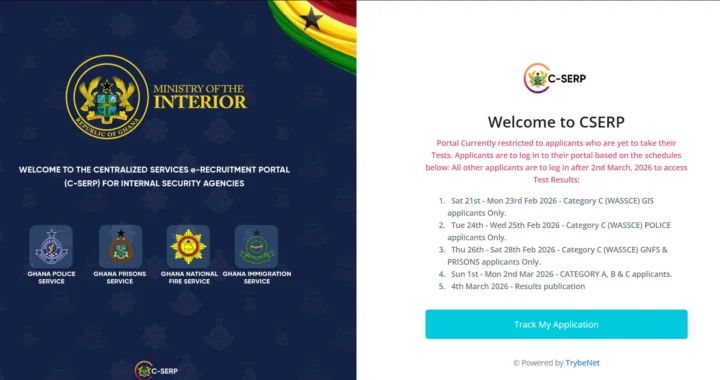 New Aptitude Test Dates for GIS, Police, and Prisons Recruitment 2026 Out
  6 Dead in Fatal Fuel Tanker Explosion on Accra-Nsawam Highway
  Terrorist Attack Ghanaian Tomato Traders in Burkina Faso
 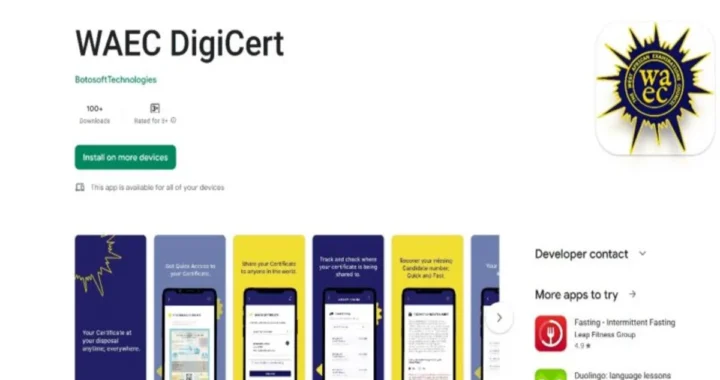 How to Install the WAEC DigiCert App: Step-by-Step Guide and Public Reaction
  How to Recover Your Lost WAEC Index Number Using DigiCert App
  WAEC Launches Digital Certificate (DigiCert) Services in Ghana and West Africa