Registration Opens: Join the 2026 BECE Home Mock to Secure Grade 1s JOIN NOW ×

5 Important Public Education Institutions in Ghana

5 Important Public Education Institutions in Ghana

Important public education institutions have been established and mandated to perform varied functions to achieve national educational objectives. Ghana’s education sector is key to the development of the manpower of the nation. Below Are Some Important Public Education Institutions in Ghana The Ministry of Education The Ministry of Education in Ghana is the mother ministry … Read more

GES ranked 3rd in 2023/2024 Excellence Awards for MoE agencies

GES ranked 3rd in 2023/2024 Excellence Awards for MoE agencies

The Ghana Education Service (GES), under the astute leadership of its Director-General, Dr. Eric Nkansah, has been recognized as the 3rd best Agency by the Ministry of Education (MoE) for the 2023/2024 academic year in the recent Excellence Awards.

This prestigious recognition reflects the GES’s unwavering commitment to excellence and its remarkable achievements in implementing the 2023 Annual Action Plan in accordance with the 2023 Performance Agreement.

The announcement of this accolade was made in a social media post, as reported by ghanaeduction.org.

The GES expressed its pride in the achievement: “For the first time, the Ghana Education Service has been awarded the third best-performing agency under the Ministry of Education – GH. This is in recognition of our commitment and achievement in the implementation of the 2023 Annual Action Plan in line with the 2023 Performance Agreement.”

Mr. Stephen Kwaku Owusu, the Deputy Director-General in charge of Management Services, accepted the award on behalf of the GES. In his acceptance remarks, he highlighted the dedication and hard work of the GES staff and the effective leadership of Dr. Eric Nkansah.

“Congratulations to all staff of GES and our hardworking Director-General, Dr. Eric Nkansah,” he said.

About Ghana Education Service

The Ghana Education Service is a vital government agency operating under the Ministry of Education.

Governed by a fifteen-member council known as the GES Council, the agency is responsible for implementing policies that ensure all Ghanaians of school-going age receive quality formal education, regardless of ethnicity, gender, disability, religion, or political affiliation.

Established in 1974 by the National Redemption Council, the GES has continuously evolved to meet the educational needs of the Ghanaian society.

The GES was formed as part of the Public Service of Ghana by the National Redemption Council under the National Redemption Council Decree (NRCD 247).

Subsequent amendments to its governing legislation were made through NRCD 252, NRCD 357, and the Supreme Military Council Decree (SMCD 63).

ALSO READ: GES apologises for 2024/25 teachers application portal downtime

Under the Constitution of the Fourth Republic, these earlier legislations were further refined and updated by Acts of Parliament, including Act 506 (1994) and Act 778 (2008).

Mandate and Structure

The GES’s mandate is comprehensive and multifaceted. It partners with various organizations and is structured into numerous units to effectively execute its mission.

The agency’s responsibilities include ensuring equitable access to quality education, improving educational infrastructure, and enhancing the professional development of teachers.

Through these efforts, the GES aims to create an inclusive and conducive learning environment for all students across Ghana.

Achievements and Recognition

The recognition of the GES as the third-best performing agency under the MoE is a testament to its strategic planning and execution.

The 2023 Annual Action Plan, which aligns with the 2023 Performance Agreement, outlines specific goals and initiatives designed to improve educational outcomes.

These include enhancing teacher training programs, integrating technology into classrooms, and expanding access to education in underserved areas.

Dr. Eric Nkansah’s leadership has been pivotal in steering the GES towards this achievement. His focus on accountability, innovation, and community engagement has fostered a culture of excellence within the organization.

The GES’s success in implementing its action plan is a direct result of this effective leadership and the collective efforts of its dedicated staff.

Future Prospects

Looking ahead, the GES aims to build on this success by continuing to innovate and adapt to the changing educational landscape.

The agency plans to introduce new initiatives that leverage technology to improve teaching and learning processes, expand professional development opportunities for educators, and further enhance the infrastructure of schools across the country.

Moreover, the GES is committed to addressing the challenges that still exist within the education sector.

These include disparities in educational access and quality between urban and rural areas, the need for more robust support systems for students with special needs, and the continuous improvement of educational standards to meet global benchmarks.

The Ghana Education Service’s ranking as the third-best performing agency under the Ministry of Education for the 2023/2024 academic year is a significant milestone.

It reflects the agency’s dedication to providing quality education to all Ghanaians and its success in implementing strategic initiatives.

With continued commitment and innovative approaches, the GES is well-positioned to further enhance the educational landscape of Ghana, ensuring that every child has the opportunity to achieve their full potential.

Share Our Post on the Topic ‘GES ranked 3rd in 2023/2024 Excellence Awards for MoE agencies’.

To Read More Stories, Click Here.

Update: No new uniforms or mass school repainting planned – MoE

Update: No new uniforms or mass school repainting planned - MoE

Update Ghana Education News: No new uniforms or mass school repainting planned – MoE.

In a recent press release, the Ministry of Education addressed some confusion regarding comments made by Minister Dr. Yaw Osei Adutwum about proposed changes to public basic schools in Ghana.

Initial reports misunderstood the scope of these changes, suggesting a nationwide mandate for repainting all schools and introducing new school uniforms throughout the country.

However, the Ministry’s spokesperson, Kwasi Kwarteng, has clarified that these changes will not be universally applied but will instead target only newly constructed schools.

The confusion stemmed from a statement Dr. Adutwum made during a conference where he discussed potential upgrades to enhance the learning environment in public schools.

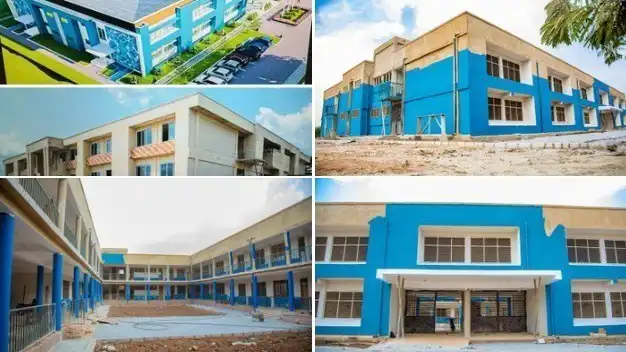
The Minister’s remarks were specifically about the newly built 21st Century Model Junior High Schools, which are part of a broader initiative to modernize education in Ghana.

These schools may receive new uniforms and have the option to choose “brighter and friendly colors” for their buildings, aligning with a more vibrant and inviting aesthetic.

Kwarteng emphasized, “The new schools’ physical outlook and appearance are intended to be improved and lightened,” indicating a focus on creating a more conducive learning environment.

It’s important to note that the Ministry has clarified there are no plans to repaint existing schools or to force all schools to adopt a uniform color scheme or uniform style.

The new uniform policy, involving a transition to “blue and white” uniforms, applies only to these new model schools, and even then, it is presented as an option rather than a requirement.

ALSO READ: Controversies surrounding Ghana’s new public school uniform initiative

The response to the Minister’s comments and the subsequent clarification has been mixed.

Some see the introduction of new uniforms and the repainting of schools as a positive step towards elevating the public perception of education in Ghana, suggesting it could inspire greater pride and ownership among students and communities.

Others are critical of the proposals, questioning the necessity and expense involved in such significant alterations, particularly in light of other pressing needs within the education sector.

This development is the second instance of uniform modification under the current administration, highlighting an ongoing effort to revitalize and reform the educational infrastructure.

While the intentions behind these changes are aimed at improvement, the execution and communication have clearly highlighted the need for clearer public messaging to avoid misconceptions.

Overall, the Ministry of Education’s clarification aims to set the record straight: the innovative changes including potential new uniforms and a fresher color palette for the infrastructure will be specific to new model schools and are designed to enhance the educational atmosphere without imposing undue burdens on existing institutions.

This approach reflects a targeted strategy to incrementally introduce enhancements in the educational sector, focusing first on newly established centers of learning.

Share Our Post on the Topic ‘Update: No new uniforms or mass school repainting planned – MoE’.

To Read More Stories, Click here.

450,000 free student tablets ready for distribution next week – Dr Yaw Adutwum

free tablets yaw Adutwum

In a significant stride towards digital education, the Ghanaian government, under the stewardship of Dr Yaw Osei Adutwum, the Minister of Education, is set to distribute the first batch of 450,000 free student tablets next week.

This initiative is part of a broader plan to equip public Senior High School and Technical and Vocational Education and Training (TVET) students across Ghana with 1.3 million tablets, fully funded by the Ghana Education Trust Fund (GETFUND).

The distribution process is meticulously planned in three phases to ensure seamless execution, starting with 450,000 tablets for 32 schools across all 16 regions.

This methodical approach underscores the government’s commitment to digitizing the education sector and making learning resources more accessible to students nationwide.

ALSO READ: Nana Opoku Ware, Son of Asantehene ||, Pays Fees for 27 KNUST Students

This landmark initiative, known as the Smart School Project, was announced by President Akufo-Addo on March 25.

It aims not only to integrate digital tools into the educational framework but also to foster a conducive learning environment that keeps pace with global technological advancements.

During a detailed discussion on JoyNews’ Newsfile, Dr Adutwum outlined the phased deployment strategy, emphasizing the careful monitoring of distribution to prevent system overload and ensure that the tablets reach their intended recipients efficiently.

The Student Mate One tablet, designed specifically for this initiative, boasts a keyboard for dual functionality as a laptop or tablet, a power bank, and a solar panel for charging, addressing the challenge of erratic power supply.

This thoughtful consideration highlights the government’s foresight in overcoming potential hurdles to digital learning.

Moreover, the initiative seeks to revolutionize the educational landscape by gradually phasing out traditional textbooks in favor of digital content, thereby aligning with contemporary educational needs and environmental sustainability.

Dr Adutwum also revealed the comprehensive training programs for ICT Coordinators and teachers to maximize the effective use of these tablets in educational settings.

The first phase of the project, costing 112 million cedis, sets the foundation for a transformative journey towards a digitized educational sector, promising a brighter future for Ghanaian students.

With a total investment of 337 million Ghana cedis, the initiative represents a significant commitment to enriching the learning experience and equipping students with the tools needed for success in the digital age.

Share Our Post on The Topic ‘450,000 free student tablets ready for distribution next week – Dr Yaw Adutwum’.

To Read More Stories, Click Here .

The Unresolved Annual Problems Teachers Have with MoE, GES, and Teacher Unions

The Unresolved Annual Problems Teachers Have with MoE, GES, and Teacher Unions

There are several unresolved problems teachers have with the Ministry of Education (MoE), GES, and Teacher Unions annually.

For years, the education sector in Ghana has been marred by recurring strikes initiated by teacher unions, notably the Ghana National Association of Teachers (GNAT), the National Association of Graduate Teachers (NAGRAT), and the Coalition of Concerned Teachers (CCT-Gh). These strikes, often declared nationwide, have underscored the unresolved grievances and challenges faced by educators in their interactions with the Ministry of Education (MoE), the Ghana Education Service (GES), and their respective unions.

Examining past strikes provides insights into the persistent issues plaguing the education system and the ongoing struggle to address them.

1. Delayed Negotiations and Unmet Demands

One recurring theme behind the strikes is the delay in negotiating new collective agreements and the failure to meet the demands of teachers. In March 2024, GNAT, NAGRAT, and CCT-Gh declared a nationwide strike, citing the MoE and GES’s procrastination in addressing their conditions of service. Despite setting deadlines for negotiations, such as February 29, 2024, agreements remained unfulfilled, exacerbating tensions between educators and authorities. Teachers, as the backbone of the education system, rightly demand fair compensation, adequate support, and recognition of their vital role in shaping the future generation. Yet, the persistent delays and unmet promises undermine their morale and jeopardize the quality of education provided to students across the country.

READ ALSO: Ten(10) Benefits Of Teaching In A Public Basic School In Ghana

2. Inadequate Support and Infrastructure

Another point of contention is the perceived lack of support and resources for teachers. The absence of a functional scheme of service for educators, as highlighted by the teacher unions, reflects a broader concern regarding the adequacy of support structures within the education system. A “cogent and appropriate” scheme is deemed essential to address the diverse needs and challenges encountered by teachers in their professional roles. Moreover, the government’s failure to distribute laptops to all teachers further underscores the inadequate provision of essential tools and infrastructure, hindering effective teaching and learning. Adequate infrastructure and resources are not mere luxuries but fundamental requirements for educators to deliver quality education and nurture the intellectual development of their students.

3. Government Response and Negotiation Impasse

The government’s response to teacher strikes has been characterized by a cycle of negotiations, adjournments, and unresolved disputes. In July 2022, negotiations between teacher unions and government representatives ended inconclusively, with accusations of betrayal and distrust marring the proceedings. The demand for strike cessation before negotiations commenced reflects a fundamental impasse in the bargaining process, highlighting the challenges of fostering mutual trust and collaboration between stakeholders. Effective communication, transparency, and genuine commitment to addressing teachers’ concerns are imperative to breaking the deadlock and forging sustainable solutions that benefit all parties involved.

4. Socioeconomic Context and Political Dynamics

The context within which these strikes occur is shaped by broader socioeconomic challenges and political dynamics. Economic hardships, exacerbated by factors such as inflation and rising living costs, contribute to teachers’ demands for improved remuneration and support. Moreover, political considerations, including government priorities and budgetary constraints, influence the response to union demands and the overall management of the education sector. The intertwined nature of socioeconomic and political factors underscores the complexity of resolving the underlying issues and underscores the need for a holistic approach that addresses both immediate grievances and long-term systemic challenges.

5. Implications and Future Prospects

The recurrent nature of teacher strikes underscores the urgency of addressing systemic issues within the education sector. Failure to resolve grievances not only disrupts academic activities but also undermines the quality and stability of the education system. Moving forward, concerted efforts are needed to foster constructive dialogue, address the legitimate concerns of educators, and implement sustainable reforms to ensure a conducive environment for teaching and learning. Investing in education is not merely an expenditure but a strategic investment in the nation’s future prosperity and development. By prioritizing the well-being and professional growth of teachers, Ghana can cultivate a vibrant and resilient education sector that empowers students and fosters inclusive socio-economic progress.

The unresolved annual problems teachers face with the MoE, GES, and teacher unions reflect deep-seated issues within Ghana’s education sector. Addressing these challenges requires proactive measures, including timely negotiations, adequate support structures, and collaborative governance arrangements. Only through sustained engagement and commitment can the education system realize its full potential and effectively serve the needs of students, teachers, and society as a whole.

6. Teacher Welfare and Professional Development

A crucial aspect of resolving the annual problems faced by teachers lies in prioritizing their welfare and professional development. Beyond salary increments and material benefits, educators require comprehensive support systems that promote their well-being, job satisfaction, and continuous growth. This includes access to affordable housing, healthcare, and pension schemes tailored to the unique needs of teachers. Additionally, investing in professional development opportunities, such as training programs, workshops, and mentorship initiatives, enhances teachers’ pedagogical skills, promotes innovation in teaching methods, and fosters a culture of lifelong learning. Recognizing and rewarding exemplary teaching practices through merit-based incentives further incentivizes educators to excel in their roles and contributes to a more vibrant and motivated teaching workforce.

7. Stakeholder Collaboration and Inclusive Governance

Addressing the perennial challenges in the education sector requires collaborative efforts from all stakeholders, including government agencies, teacher unions, civil society organizations, parents, and students. Transparent and inclusive governance mechanisms that engage stakeholders in decision-making processes are essential for fostering trust, accountability, and consensus-building. Establishing platforms for regular dialogue and consultation enables stakeholders to voice their concerns, share insights, and contribute to the formulation of evidence-based policies and strategies. By harnessing the collective expertise and experiences of diverse stakeholders, Ghana can develop holistic solutions that address systemic issues, promote equity, and advance the goals of quality education for all.

8. Curriculum Reform and Pedagogical Innovation

A dynamic and responsive curriculum is central to ensuring relevance, equity, and quality in education delivery. Curriculum reform efforts should prioritize the integration of 21st-century skills, critical thinking, digital literacy, and socio-emotional learning competencies into teaching and learning practices. Embracing pedagogical innovation, such as project-based learning, experiential approaches, and technology-enhanced instruction, enriches the learning experience, fosters student engagement, and prepares learners for the demands of an evolving globalized world. Furthermore, inclusive curriculum frameworks that reflect the cultural diversity and heritage of Ghanaian society promote identity affirmation, social cohesion, and inclusive education outcomes for all learners, regardless of their background or abilities.

9. Investment in Education Infrastructure and Resources

Ensuring equitable access to quality education requires sustained investment in education infrastructure, facilities, and resources across urban and rural areas. Adequate funding for school construction, renovation, and maintenance projects is essential to address infrastructure deficits, overcrowding, and poor learning environments that impede educational outcomes. Furthermore, provision of essential resources, including textbooks, teaching aids, laboratory equipment, and ICT facilities, enhances teaching effectiveness, facilitates hands-on learning experiences, and promotes digital literacy among students and teachers alike. Public-private partnerships, community engagement initiatives, and innovative financing mechanisms can mobilize additional resources and optimize the utilization of existing infrastructure to maximize educational impact and reach marginalized populations.

10. Monitoring, Evaluation, and Accountability Mechanisms

Effective monitoring, evaluation, and accountability mechanisms are indispensable for assessing the impact of education policies, identifying areas for improvement, and ensuring the efficient use of resources. Robust data collection systems, performance indicators, and standardized assessments enable policymakers to track progress towards educational goals, measure learning outcomes, and identify disparities across regions and demographic groups. Moreover, establishing independent oversight bodies, such as education ombudsmen or inspectorates, strengthens accountability, safeguards against corruption, and ensures compliance with legal and ethical standards in education governance. Transparent reporting mechanisms, stakeholder feedback loops, and participatory evaluation processes foster a culture of continuous improvement, responsiveness, and learning within the education sector.

Addressing the unresolved annual problems faced by teachers with the MoE, GES, and teacher unions requires a multifaceted approach that encompasses teacher welfare, stakeholder collaboration, curriculum reform, infrastructure investment, and accountability mechanisms. By prioritizing these key areas and fostering a culture of dialogue, innovation, and inclusivity, Ghana can build a resilient, equitable, and high-quality education system that empowers learners, nurtures talent, and drives sustainable socio-economic development for generations to come.


How State Is Preparing To Enroll Grade 10 Learners In Senior Schools Come 2026

How State is preparing to enroll Grade 10 learners in Senior Schools come 2026

In the ever-evolving landscape of education, the Ministry of Education in Ghana is preparing to enroll grade 10 learners in senior schools come 2026.

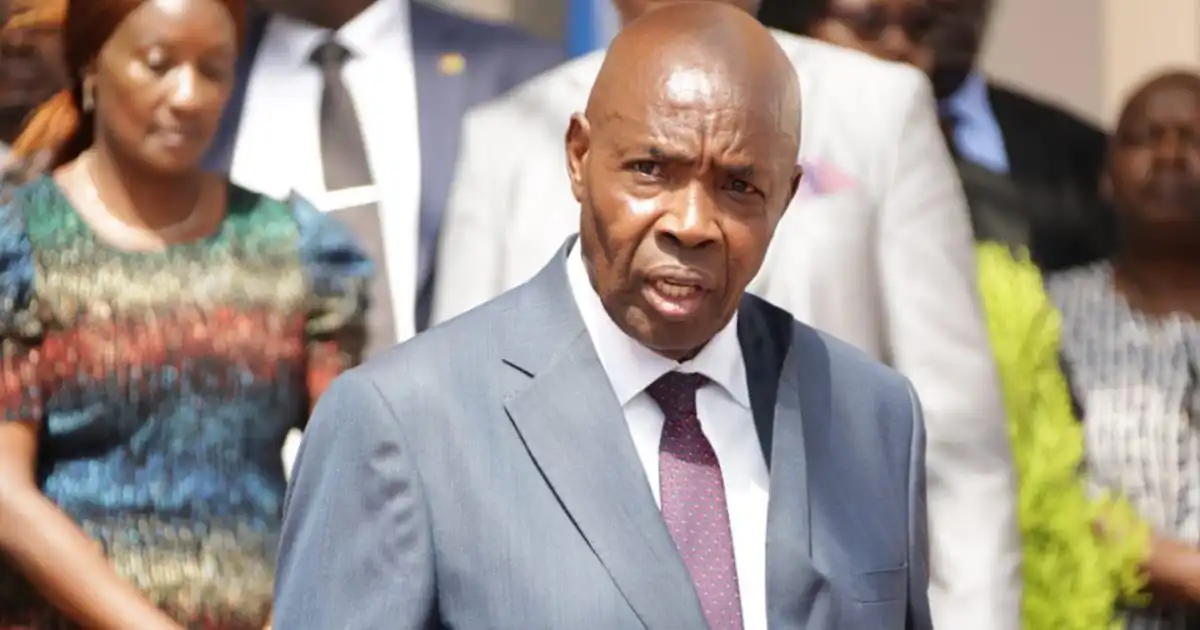
This will mark a significant departure from the traditional 8-4-4 system. Education Cabinet Secretary Ezekiel Machogu, in a recent appearance before Senators, exuded confidence in the State’s readiness to seamlessly usher in Grade 10 learners, signaling the culmination of meticulous planning and preparation.

Machogu articulated the Ministry’s comprehensive approach to address the multifaceted needs of the impending transition. Notably, substantial emphasis has been placed on infrastructural development, with meticulous assessments conducted to ascertain the sufficiency of classrooms and laboratories across secondary schools nationwide. Assurances were given that the available resources have been strategically allocated to accommodate the anticipated influx of Grade 10 learners, ensuring an optimal learning environment conducive to their holistic development.

Furthermore, Machogu underscored the pivotal role of human capital in this educational paradigm shift. Highlighting the Ministry’s proactive stance, he revealed a significant uptick in teacher recruitment efforts since 2022, with over 56,750 teachers enlisted to bolster the education sector’s workforce across primary, junior, and senior levels. To augment teachers’ proficiency in navigating the nuances of the Competency Based Curriculum (CBC), extensive retooling initiatives have been underway, ensuring educators are equipped with the requisite skills to effectively deliver quality education tailored to Grade 10 learners’ needs.

READ ALSO: Lobby Sues Ministry of Education Over Delayed Release of School Funds

Central to this transformative agenda is the delineation of three distinct pathways within Senior Schools, namely Science, Technology, Engineering, and Mathematics (STEM), Social Sciences (Humanities), and Performing Arts. Machogu elucidated on the rationale behind this tripartite framework, emphasizing the imperative of nurturing individual talents and fostering specialization. While deliberations are ongoing regarding the implementation modalities, Machogu affirmed the Ministry’s commitment to fostering an inclusive educational landscape that accommodates diverse learner aspirations.

As the Ministry charts the course towards this educational milestone, collaborative engagement with stakeholders, including parliamentary deliberations on pertinent policy frameworks, will be instrumental in shaping the trajectory of Grade 10 education. The impending transition heralds a new chapter in Kenya’s educational narrative, epitomizing a progressive shift towards a competency-driven educational ecosystem poised to empower learners for the challenges of tomorrow.


Ministry of Education Serves Important Message – See Details

Ministry of education

The Ministry of Education was shocked to hear that Yaa Asantewa and Armed Forces Senior High School in the Ashanti region were running out of food. The government hasn’t given Senior High Schools (SHS) across the country a grant to pay for food almost a week after school started. Due to the situation, GHOneTV News … Read more

Education Minister To Meet GNAT, NAGRAT And CCT Over Strike

WASSCE, BECE exam malpractice would be KILLED first if I become Minister of Education Education Minister To Meet GNAT, NAGRAT And CCT Over Strike

Education Minister To Meet GNAT, NAGRAT, And CCT Over Strike. The General Secretary of the Ghana National Association of Teachers, Thomas Musah, has announced that these 3 teacher union groups will be meeting the Minister of Education, Yaw Adutwum, today. According to him, the next decision of NAGRAT will depend on what transpires in the … Read more

Top NPP MP “Fires” Ministry Of Education. Read More Details

Top NPP MP "Fires" Ministry Of Education.

Top NPP MP “Fires” Ministry Of Education. The teacher unions have begun their strike over the appointment of a banker as the Director General of Education. An NPP member of Parliament, Vincent Assafuah, has reacted to this move by the Teacher’s Union. He has also condemned the Ministry of Education for masterminding this appointment. “When … Read more

6 Annoying Failures of GES & MoE in 2021

6 Annoying Failures of GES & MoE in 2021

Ghana Education News Update for the year-end looks at 6 Annoying Failures of GES & MoE in 2021. The year 2021 will go down in history as a year in which the Ghana Education Service (GES) and the Ministry of Education (MoE) had countless annoying failures as managers of education in Ghana. In the year … Read more

Ghana Education News