12 Kinds of Parents Teachers Secretly Dislike: No. 9 & 10 Make Teachers Feel Bad
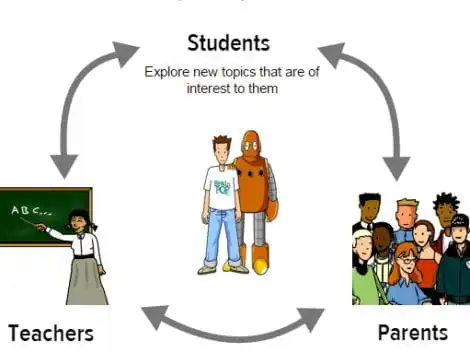
There are 12 Kinds of Parents In Every School, and teachers secretly dislike the behaviors and attitudes of many, but will choose not to talk about it openly. You may be one of these parents described in this write, which was first published on 6th March, 2021.
Some parents believe their children never do wrong and are one of the kinds of parents teachers secretly dislike. Some parents are just waiting for the next complaint or report from their ward, and they will be calling the head of the school to tell him or her their piece of mind without reaching out to the teacher to enquire as to what happened. For others, the teacher is not good enough, and so the child failed the examination.
Overly involved and totally unengaged parents may have negative implications on the teacher’s perception of them and make it difficult for teachers to do their work. This may make teachers perceive parents as worrying and troublesome. If you are a parent who prides yourself on being difficult, or you are the type who wants to frustrate teachers for very little reason, watch out, you are sending the wrong signals already.
When a parent ends up burning the teacher out with undeserving troubles, it affects the learner and the relationship between the teacher and the parent.
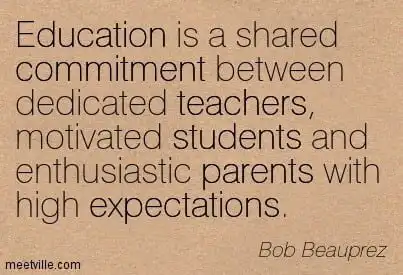
Below are some categories into which parents can be grouped. Teachers often do not admire parents categorised into the 12 groups shared in this write-up. Readers who disagree are free to share their views on the topic.
WANT TO PASS 2027 BECE? REGISTER FOR BECE HOME MOCK
Register your ward for Ghana's premier Home Mock service, active since 2022.
The 12 Kinds of Parents Teachers Secretly Dislike
#1 The helicopter parents
The first kind of parents teachers secretly dislike are the Helicopter Parents

These are parents who will send notes to the teacher nearly all the time providing detailed instructions as to how their wards should be and should not be handled. They give teachers no room to breathe. It is good for parents to send reminders and notes to teachers,, but when it becomes a routine, it may annoy the teacher and make him or her feel like being controlled.
Offer useful suggestions but don’t try to do the teacher’s job for them.
#2 The my-kid-could-do-no-wrong parents
Some parents believe their children are saints and will not behave badly at school. When teachers, out of respect and concern, update parents about the unacceptable behaviours of the child, the my-kid-could-do-no-wrong parents never agree. For them, the children are well trained at home, and so that is the same behaviour they put up. The fact is, most often, school children have one or more behaviours in the environment they find themselves in. Such students may soon no longer have enough of the teacher’s attention should they misbehave again.
Listen to teachers when they talk about issues because most often they know your children inside out better than you do.
#3 The Showoff parents
The showoff parent is another type of parent that teachers don’t like for principled reasons that may be misunderstood.
These are mums and dads who are constantly trying to show extravagance, wealth, and a posh life, and so radiate the same through their children. They want their children to feel overly loved and so pamper them with many material things for school.
Teachers notice when kids get everything they want. Providing children with basic needs all the time is welcomed and a must-do, but do not spoil the child.
#4 The dismissive parents
Again, parents teachers secretly dislike can also be put into a group called the dismissive parents’ group.
Hmm, you see, there are times when nearly all parents attempt to be dismissive. Such parents do not want their children to be blamed for wrongs, even if they are aware that the child caused it or acted wrongly. They are the parents who will never want to hold their children accountable for unacceptable behaviours. Well, they may blame the teacher for not keeping an eye on the child. For some, the teacher must teach it all. If the child fails to do the homework, they will blame the teacher for not explaining it well.
Learning should happen at home as well, and parents must provide guidance too.
#5 The apathetic – I-don’t-care parent
It’s hard for teachers to see parents who don’t care.
These are the parents who say less about their children. There is often no communication between them and the teacher about the ward, and they may never be known or seen by the teacher.
For those who just send their child(ren) to school, it breaks my heart. I have seen many children back then who never knew their parents. They never bothered about anything educational; they don’t ask about homework, grades, or their friends. It’s just not fair to be unconcerned.
#6 The defensive and child-shielding parent
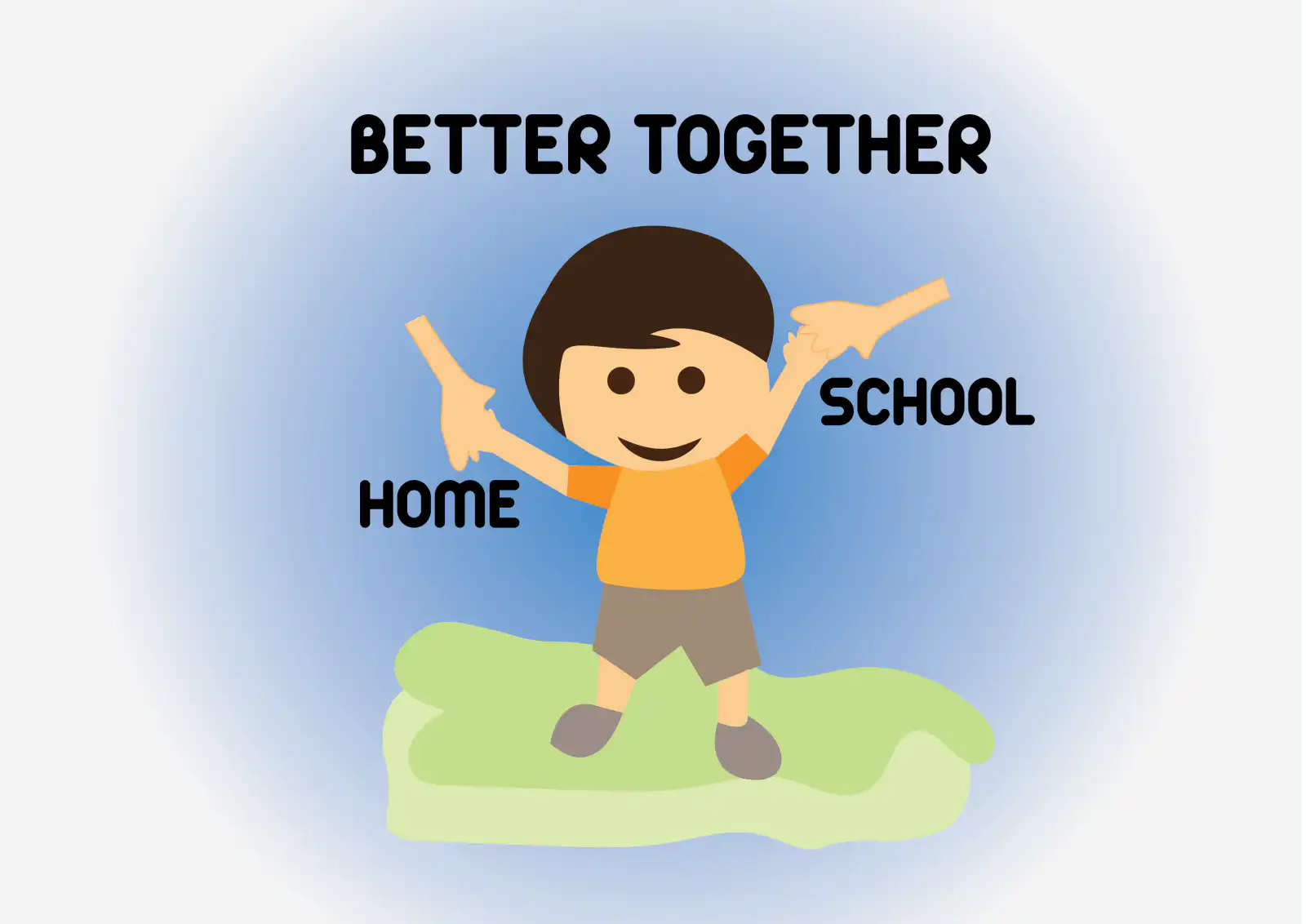
Defending children all the time, when they have actually gone wrong, can make them develop bad attitudes. Such parents are almost like dismissive parents. Defending the child at all times makes him or her feel that everything he or she does or says is right. This is a very bad move, and you are destroying the child if you are a parent of this kind. No one speaks or says something bad about your child. For you… “Everyone has a bad child.” Well, watch out.
It’s an understandable impulse, but it may be holding their kids back
#7 The “yes” but no-action parent
The kind of parents teachers secretly cannot discuss without talking about are the “yes” but no action parents.
Have you, as a parent, been invited by a teacher, or have you been invited to your ward’s school to discuss a certain behaviour or action before? Did you act to correct it, or did you do something about it?
If you never took action, then you belong to this group. You said yes to the good suggestions from your ward’s school, or you agreed to support the school to help your ward out of a certain situation, but you have not shown commitment.
The ‘yeses’ parent who doesn’t do anything even after repeated meetings with school leadership is frustrating and making it difficult for the school to help the child.
Typically, a parent is advised not to buy sweets for the child or provide a certain book, and throughout the academic year, nothing has been done about it.
#8 It never happens in my house, parent
As a teacher, you should know that there are parents who really do not know their children and what goes on in the home. They leave home so early and get back very late.
Do not be surprised if they say something like “I don’t know what happens in that house, but this doesn’t happen at my house.”
Such parents would quickly blame their ward for every bad thing. Inform them about the child not returning assignments or homework in school, and they are scolding the child right there, only to add that “I don’t know what happens in that house, but I am often not around.” In homes where the child is not living with both parents, this may often crop up.
#9 The Jump The Order Parent
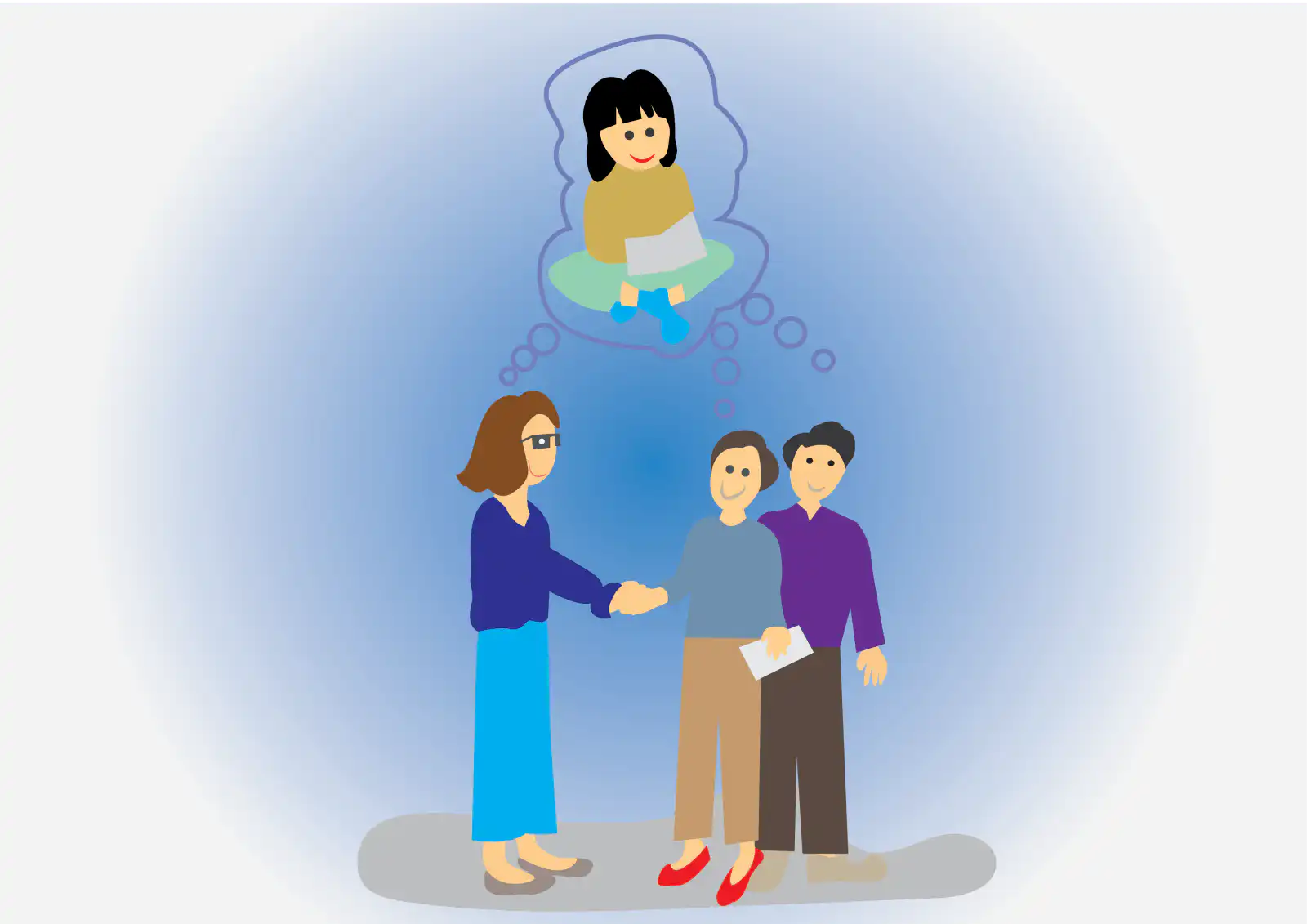
There are instances in which something happens in the classroom, and the student reports to the parent. Instead of calling or getting in touch with the teacher, if the teacher failed to do so, such parents, out of anger, will call the head teacher and lodge complaints.
Don’t go above the teacher’s head before even talking to them… Start solving your ward’s problem with them. Know your limits.
#10 The blame-game parents
The most talked-about kind of parents, teachers secretly dislike are the blame-game parents.
There are instances where the academic work of a child is not progressing as expected, no matter the efforts the teacher puts in. Bad friends, laziness, lack of zeal, no parental monitoring, and even overpraising the academic success of a child may impact his or her commitment to academic work. Yet, if the student or learner does not meet expectations, the teacher and the school are blamed.
The learner is often expected to do 70% of the work while the teacher offers 30%. I remember a parent who went nuts because the child placed 1st until class 4. In class four, a new student joined the class and was fast becoming the talk of the school. At the end of the academic year, the new student topped the class in all three terms. The parent returned to the school on the day of vacation, challenging the results and saying the teacher is to be blamed.
The information given to her was simple: “Your child is good, but there is tough competition in the class; keep encouraging the learner as the teacher does his/her best.
Teachers are always at the receiving end, where the child is never held accountable for poor performance. It is always the teacher,, but when the student makes good grades, they say the student did well, and the hard-working teacher is forgotten all too soon.
#11 The too-talkative (PEACE FM) parent
Have you come across a talkative parent who is quick to find fault with everything in school and talk about it?
Oh, YES! Let us be frank; some parents can talk. In my previous school, where I worked, there was a parent who would even report to school before teachers and would direct students to work on the compound. She will complain about everything and talk about little things with nearly everyone. Such parents must stop putting up with this behaviour.
Talkative parents also talk for their wards and do not allow them to advocate for themselves.
As a parent, you have a stake in your ward’s education, but trying to talk about every little thing makes you a nuisance, and soon, teachers may be avoiding you.
#12 The Boxing and Fighting Parent
Well, you know what it means. Teachers do not admire parents who come to schools to challenge them in the presence of learners. Physically attacking or arranging for teachers to be attacked will make such parents disliked by nearly every teacher in the school. When it comes to this behaviour, you can be sure of a unanimous stand of teachers against you.
Conclusion
Both teachers and parents reading this post must learn to accommodate each other and, more importantly, seek the well-being of the learner while dealing with the challenge. The learner must not suffer from the attitude of their parents that teachers do not like.
If you are a parent, avoid acting like and being one of the following because teachers secretly don’t like it.
Source: Wisdom Hammond | Ghanaeducation.org