Cash Flow Statement Explained for Business Students
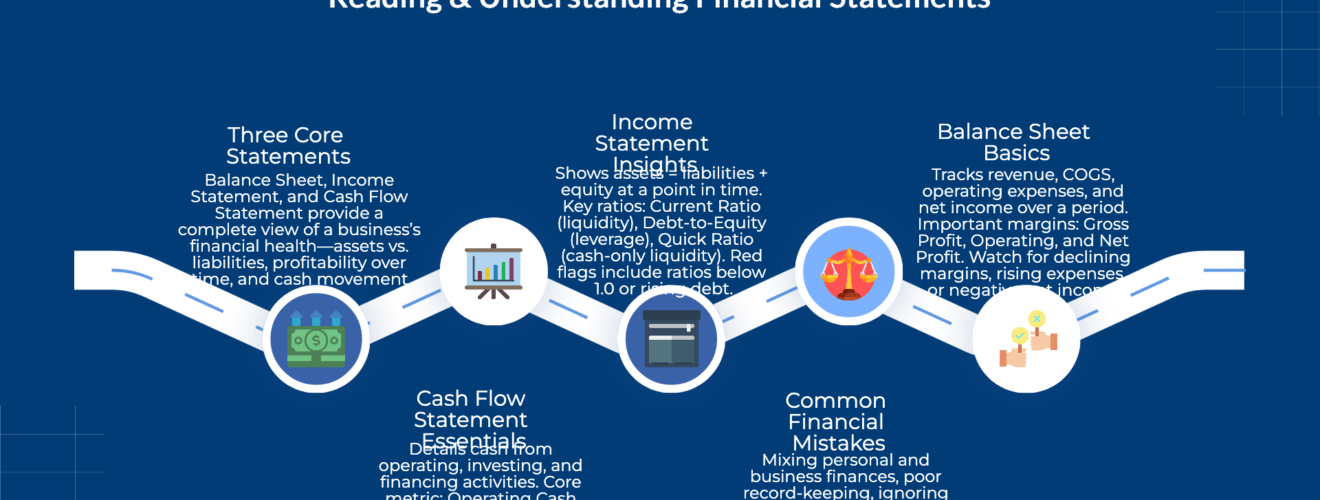
For business and accounting students, understanding profit is only part of learning how a business performs. The supplied accounting learning material highlights another financial statement that is critical to understanding the movement of money in a business: the cash flow statement.
A business can report a profit and still experience difficulty paying suppliers, salaries or other obligations if cash is not available when needed. This is why students studying accounting and business need to understand the difference between profit and cash flow.
What is a cash flow statement?
A cash flow statement shows the actual cash coming into and going out of a business during a specific period.
Unlike a profit figure, which can include transactions that have not yet resulted in cash being received, cash flow focuses on the movement of actual money.

For students, the key question is simple:
Where did the cash come from, and where did it go?
WANT TO PASS 2027 BECE? REGISTER FOR BECE HOME MOCK
Register your ward for Ghana's premier Home Mock service, active since 2022.
The cash flow statement helps answer that question.
The three main parts of a cash flow statement
The material identifies three major categories of cash flows: operating activities, investing activities and financing activities.

Operating activities
Operating activities relate to the business’s main operations.
They include cash generated from activities such as sales and payments received from customers, as well as cash paid to suppliers and other operating expenses.
For a student, operating cash flow can be viewed as an indication of how the core activities of a business are generating and using cash.
Investing activities
Investing activities concern cash associated with long-term assets and investments.
Examples include buying or selling equipment, vehicles and property.
This section can therefore help students understand how a business is using cash to invest in its future operations.
Financing activities
Financing activities relate to how a business obtains and repays finance.
They can include loans, owner’s capital and repayment of debt.
This helps students see how a business funds its activities and how financing decisions affect cash.

Why profit does not tell the whole story
One of the most important lessons for accounting students is that profit and cash are not the same thing.
A business may record revenue when goods or services are provided on credit even though the customer has not yet paid.
The supplied material on accounts receivable illustrates this point. Accounts receivable represents money owed by customers and is treated as a current asset. The revenue may already have been recognised, but the cash has not yet entered the business.
For example, if a business provides goods worth GH¢500,000 on credit, the accounting entry can recognise accounts receivable and sales revenue. However, until the customer pays, the business does not have that GH¢500,000 as cash.
This is why students need to learn to distinguish between earning revenue and receiving cash.
Why teachers should emphasise cash flow
Cash flow provides an opportunity for teachers to connect accounting theory with practical business situations.
A student who understands only the profit figure may assume that a profitable business automatically has enough money to meet its obligations. The supplied material challenges that assumption.
It explains that a business may face cash problems because customers have not paid, inventory is too high or spending is excessive.
Teaching cash flow therefore helps students understand why financial performance cannot be assessed from a single figure.
Cash flow and business decisions
The learning material identifies several reasons why monitoring cash flow matters.
It can help a business determine whether it has enough cash to meet daily obligations, identify cash problems early and assess whether the business is actually generating cash rather than merely reporting accounting profit.
It can also support decisions involving growth, investment and emergencies.
For students, this makes cash flow more than an examination topic. It becomes a way of understanding how financial information can support business decisions.
Cash flow should be connected to other accounting topics
Cash flow is easier to understand when students connect it with other areas of accounting.
The supplied materials also emphasise concepts such as revenue, gross profit, operating expenses, net profit, assets, liabilities, equity, accounts receivable and financial statements.
These concepts do not operate in isolation.
For example, a sale on credit can increase revenue and accounts receivable without immediately increasing cash. A loan can increase cash while also increasing liabilities. Paying a supplier can reduce cash and accounts payable.
Understanding these relationships helps students move from memorising accounting terms to understanding what the numbers actually mean.
A useful lesson for accounting students
The central lesson is straightforward:
Profit shows financial performance, but cash flow shows whether cash is actually moving through the business.
Students who understand that distinction are better positioned to interpret financial statements and understand why a business can appear profitable while still experiencing cash difficulties.
For teachers, cash flow can therefore serve as an important bridge between accounting principles and real business decision-making.