The Financial Statement Many Business Students Ignore: Why Cash Flow Matters

Everything you need to know about cash flow statement has been detailed below. Teachers, students, and school administrators across Ghana are encouraged to review the complete information for full context.
Among the financial statements discussed in the supplied material, the Statement of Cash Flows receives particular attention because it shows how cash enters and leaves a business during a specific period.
For accounting and business students, understanding cash flow is important because profit alone does not show the complete financial position of a business.
What is a cash flow statement?
The material explains that a Statement of Cash Flows records actual cash coming into and going out of a business.

It can show where cash is generated and how that cash is used. This makes it different from simply looking at profit.
A business may report profit while still experiencing difficulty meeting its obligations if its cash is not available at the required time.

The three main parts
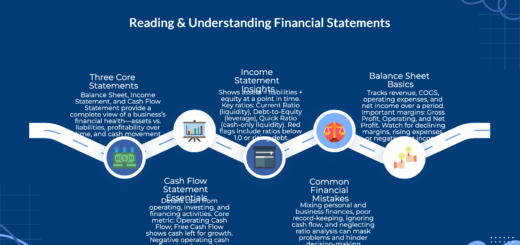
The supplied material divides cash flow activities into three categories.
Operating activities relate to cash generated from the core business, including sales and payments to suppliers and employees.
Investing activities involve cash used for or received from long-term assets such as equipment, vehicles and property.

Financing activities cover cash associated with loans, owner’s capital and repayment of debt.
These categories provide students with a practical framework for understanding how business cash moves.
Why teachers should emphasise cash flow
Cash flow can be used to teach students that accounting information must be interpreted rather than simply recorded.
The source material highlights several reasons businesses need to monitor cash flow, including checking whether there is enough cash to meet daily obligations, identifying cash problems early and planning for growth, investment and emergencies.
Students can therefore be encouraged to distinguish between profit and cash when analysing a business.
The key lesson from the supplied material is simple: profit helps show business performance, while cash flow helps show whether the business has the cash needed to continue operating.
- Why Accounting Students Must Understand Cash Flow
- Cash Flow Statement Explained for Business Students
- Profit Is Not Enough: Teaching Students About Cash Flow
Suggested Internal Links:
- Accounting Notes for Students
- Financial Statements Explained
- Business Studies Resources
- Accounting Past Questions
📊 Stakeholder Guidance & Contextual Analysis
As developments continue to unfold regarding The Financial Statement Many Business Students Ignore: Why Cash Flow Matters, educational administrators, teachers, and candidates across Ghana are advised to follow established guidelines. Aligning school operations with official Ghana Education Service (GES) circulars and Ministry directives remains essential for institutional coherence and academic planning.
Key Directives for Schools and Educators:
- Administrative Alignment: School management and district directorates should cross-check official announcements before adjusting operational schedules.
- Stakeholder Transparency: Maintain active communication channels across Parent-Teacher Associations (PTAs), teaching staff, and student bodies.
- Continuous Oversight: Stay updated on supplementary directives issued by authorized public education authorities.
Frequently Asked Questions (FAQ)
Q: How does this update impact academic calendars and school operations?
A: School administrators are advised to incorporate official directives into current term plans while awaiting further formal clarifications. Refer to official channels for exact timelines.
Q: Where can educators verify authentic announcements?
A: Notices can be verified through official Ministry of Education releases, GES headquarters circulars, or accredited national education portals like GhanaEducation.org.