Four Parts Of The Body Diabetes Can Cause Damage
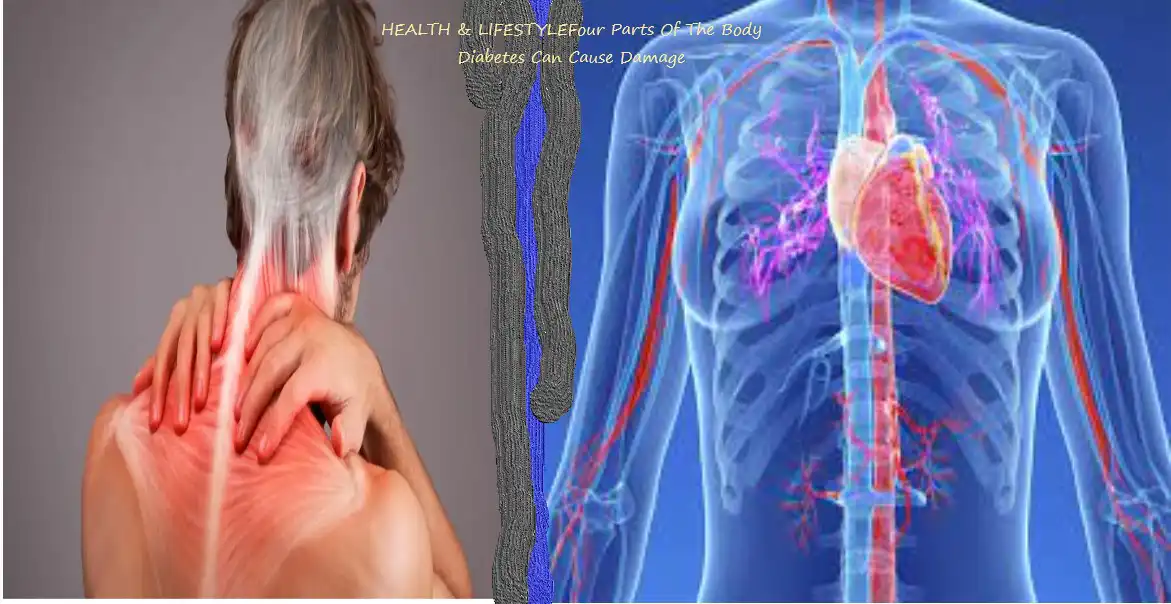
Diabetes can cause damage to various parts of the body. These include the eyes, kidneys, nerves, heart, and blood vessels. If not managed properly, diabetes can lead to vision loss, kidney failure, neuropathy, heart disease, and stroke. It is important to control blood sugar levels and regularly monitor and manage the potential complications of diabetes to prevent further damage.
Diabetes and Nerve Damage
Maintaining normal blood sugar levels is crucial to avoiding complications, according to experts. High blood sugar can lead to diabetic neuropathy, which causes nerve damage and varying degrees of pain.
Additionally, high blood sugar levels can damage other parts of the body, such as the eyes, teeth, skin, and stomach. When left untreated, this damage may result in severe and irreversible consequences. In this article, I will enlighten you about the parts of the body that can be affected by diabetes, as reported by Healthline.
1. Skin:
Abnormally high blood sugar levels can lead to a condition known as diabetic dermopathy, which is characterized by reddish or light brown circular patches that are often itchy and painful. Diabetes can also cause skin infections, slow wound healing, and dry skin.


2. Eyes:
Diabetes patients may develop diabetic retinopathy, which can damage the eyes. The condition’s symptoms are often not visible initially but can progress with time, causing blurry vision, dark spots, or total vision loss. If left untreated, it can lead to severe complications.
3. Mouth and Gum:
Those with very high blood sugar levels may develop periodontal disease, a gum infection. Symptoms include bad breath, red, swollen, or bleeding gums, which can result in tooth loss.

4. Legs and feet:
When the nerves in the legs and feet are damaged due to high blood sugar levels, it results in peripheral neuropathy. Patients may experience numbness, tingling, burning sensations, or sharp, shooting pains in their legs and feet, making it difficult to walk or carry out other activities freely.