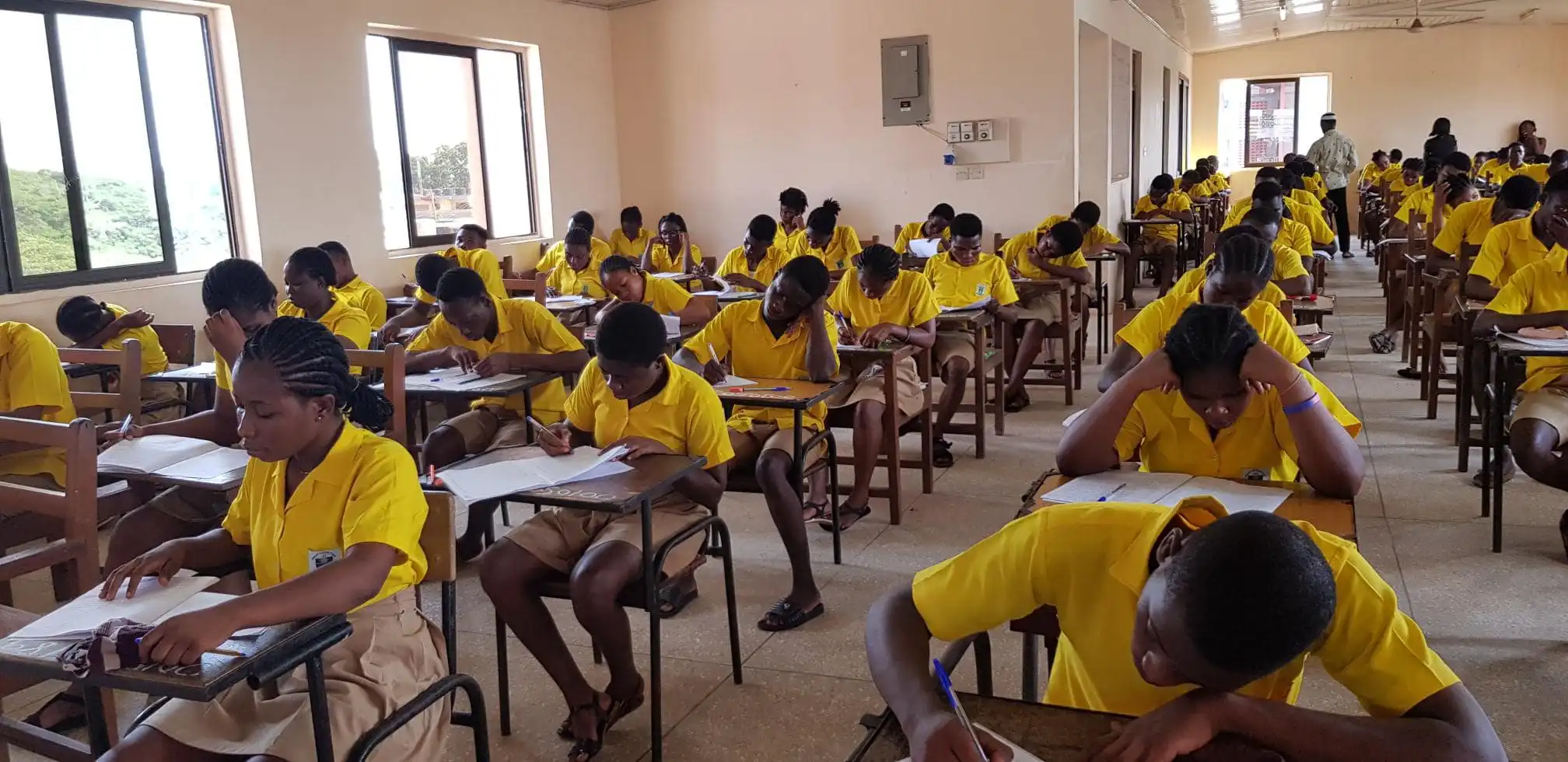
Only 44% of primary schools, 63.9% of JHSs had access to electricity by 2020 — EduWatch
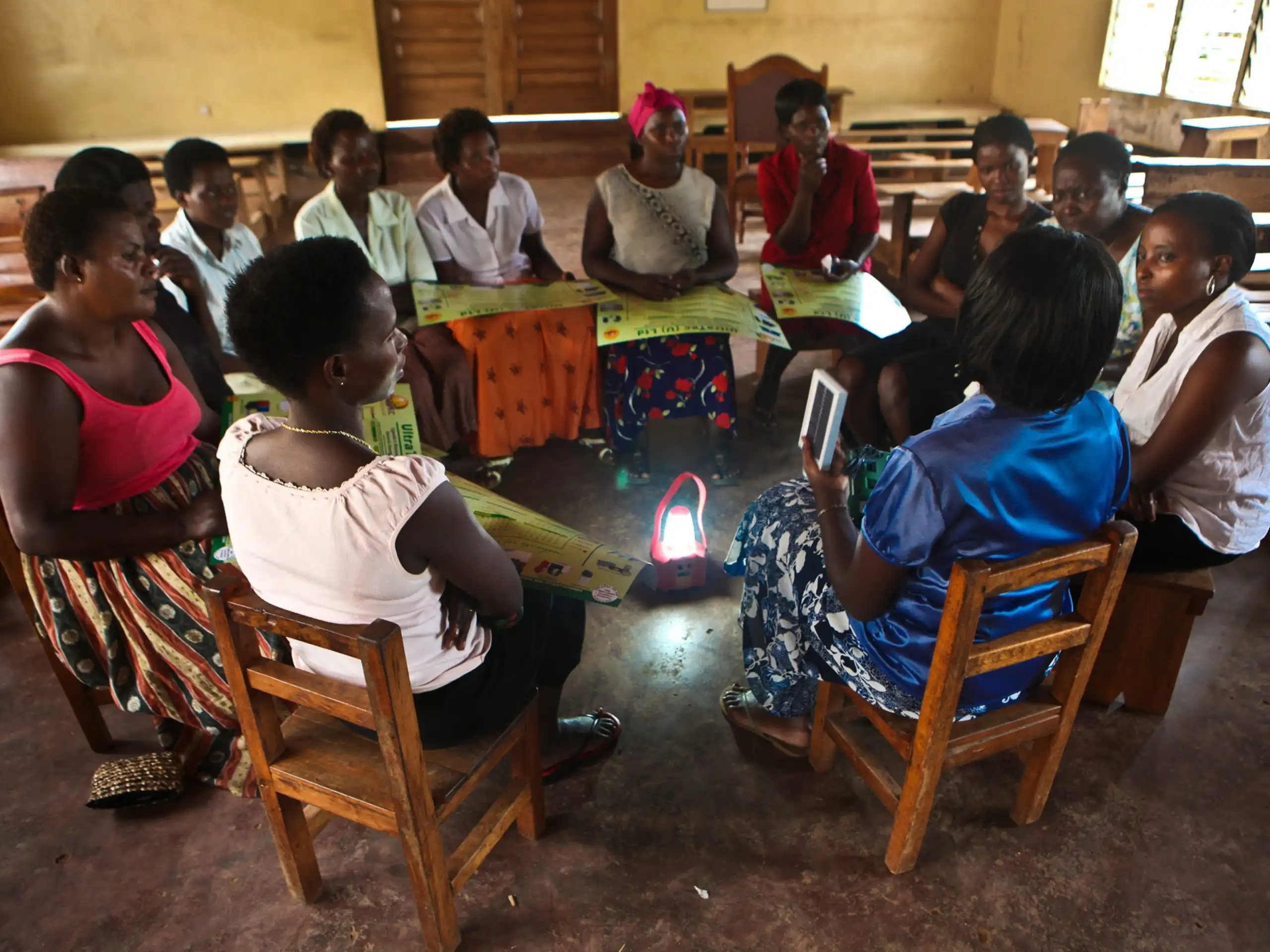
Only 44% of primary schools, 63.9% of JHSs had access to electricity by 2020 — EduWatch
A recent report by Africa Education Watch has spotlighted a significant barrier in Ghana’s education sector: inadequate access to electricity, which is hindering the achievement of the country’s digital literacy goals.
As of 2020, less than half of the primary schools and only about two-thirds of junior high schools (JHS) had electricity connections, despite the national electricity coverage surpassing 80%.
This disparity poses a severe challenge to digital education, as the same report highlighted that only 15% of the more than 15,000 public primary schools and 13% of over 11,000 public JHS had functional ICT facilities by the end of the 2022/2023 academic year.
This gap is even more pronounced when considering the government’s ambitious plans for digital literacy.
The lack of electrical infrastructure not only affects the use of digital tools in education but also impacts the overall learning environment, limiting students’ ability to participate in modern, technology-driven education systems.
Recognizing this critical issue, Africa Education Watch has urged political parties to prioritize and address the ICT gap in their 2025-2028 education policies.
Moreover, the report calls for a collaborative effort between the Ghana Education Service and local governments to ensure that all basic schools are electrified and that electricity bills are funded to support the integration of ICT in education.
This is crucial for ensuring that ICT facilities are both available and accessible in every basic school, facilitating effective teaching and learning of computing and related digital skills.

READ: How AI Can Transform Lesson Notes Writing for Teachers
To effectively address these challenges, several strategies can be implemented by NGOs, companies, and the government:
1. Public-Private Partnerships (PPPs):
NGOs and private companies can partner with the government to provide funding and technical expertise for electrifying schools.
These partnerships can leverage the strengths of each sector—financial resources from the private sector and infrastructure deployment by the government—to accelerate the electrification of educational facilities.
2. Solar Energy Solutions:
Given the abundant sunlight in Ghana, solar energy presents a sustainable and cost-effective solution to the electricity shortage in schools.
NGOs and solar energy companies can work together to install solar panels at schools, which would provide a reliable power supply for ICT facilities and help schools become energy independent.
3. Community Involvement and Education:
Local communities should be engaged and educated about the importance of digital literacy and the benefits of having electricity in schools.
Community-driven initiatives, supported by NGOs and local governments, can help maintain and protect electrical infrastructure, ensuring long-term sustainability.
ALSO READ: GES Announces Recruitment for 2022 College of Education Batch
4. Capacity Building Programs:
Training and capacity-building programs can be conducted by NGOs and educational consultancies to equip teachers with the necessary skills to use and teach ICT effectively.
These programs should focus on both technical skills and innovative teaching methodologies that integrate ICT into the curriculum.
5. Legislative and Policy Frameworks:
The government should create and enforce policies that mandate the provision of electricity and ICT resources in all schools.
This can include setting aside a portion of the national budget specifically for school electrification and ICT development, as well as offering incentives for local governments and private companies to invest in educational technology infrastructure.
Addressing the electricity and digital literacy gap in Ghanaian schools is a multifaceted challenge that requires coordinated efforts across various sectors.
By implementing these strategies, NGOs, companies, and the government can make significant strides towards modernizing Ghana’s educational infrastructure and achieving the national digital literacy targets.
This will not only enhance the educational landscape but also empower the next generation with the skills needed to thrive in a digital world.
Share Our Post on the Topic ‘Only 44% of primary schools, 63.9% of JHSs had access to electricity by 2020 — EduWatch’.
To Read More Stories, Click Here.