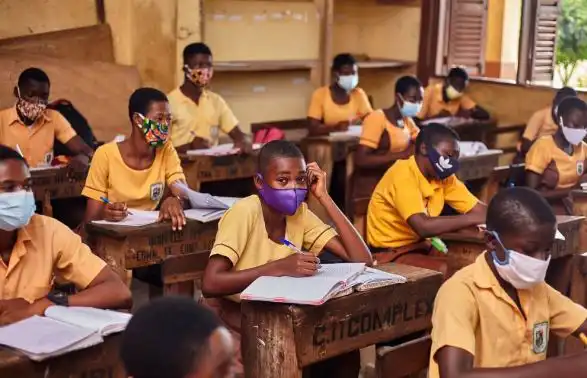
Brave Reader Program Inspires Confidence in Namenboku’s Students
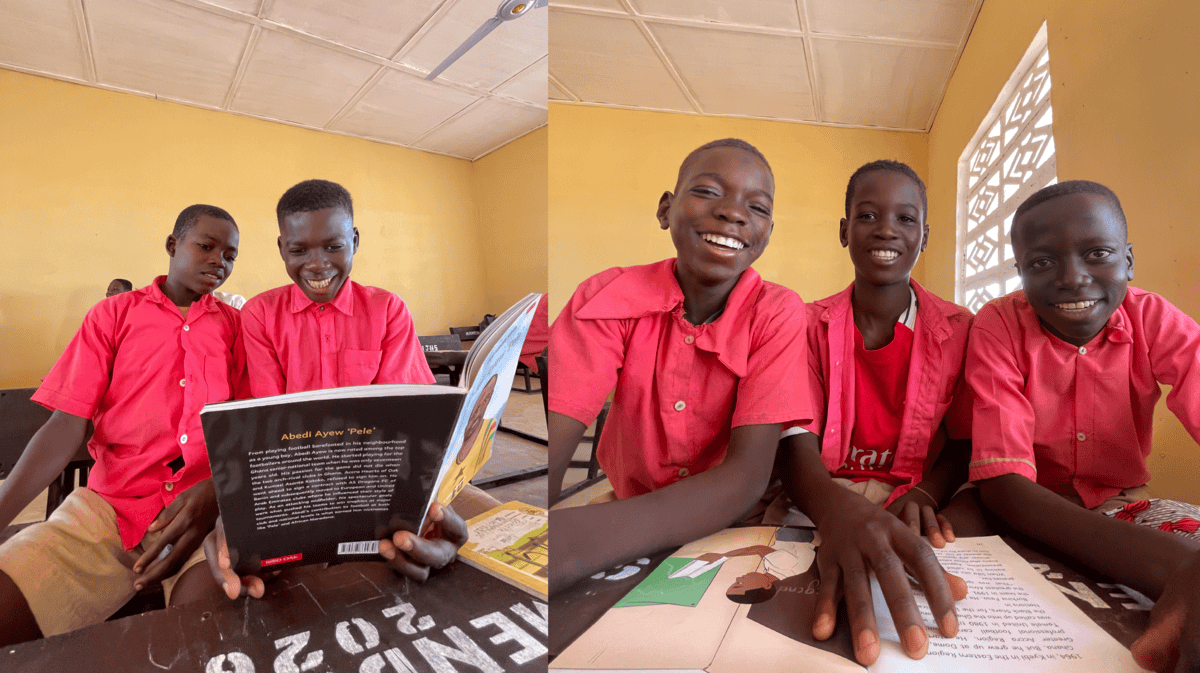
In the heart of Ghana’s North East Region, there is a community where education comes with significant challenges. Namenboku community, home to a community-run junior high school, has yet to be absorbed into the formal educational system by the Ghana Education Service (GES). Despite these challenges, the spirit of learning is alive and well, thanks to the efforts of Akua Kids Foundation and Umbrella for the African Child, who initiated the Brave Reader Program in the community.
Over the course of one month, 76 students from Namenboku Junior High School participated in a literacy program aimed not only at improving their reading skills but also at building their confidence and fostering a culture of learning in the community. Through storytelling and hands-on activities, the students were introduced to the world of books and encouraged to overcome their fears of reading.
The Brave Reader Program quickly became a source of hope for the students. Each reading session included a challenge: students who showed the courage to volunteer were awarded a Brave Reader Badge, a symbol of their effort and bravery. These badges became a point of pride for the students, motivating them to continue reading and inspiring their peers to follow suit.
Ishmael, a Form 2 student, shared his thoughts: “Anytime I get the Brave Reader Badge, I feel excited. When my guardians see it, their positive remarks encourage me to read more.”
As the program progressed, the number of students volunteering to read grew. What began as a shy, quiet classroom soon transformed, with more students stepping up to participate. The classroom culture shifted dramatically, where only a few hands had been raised at first, now there was eager competition to earn the Brave Reader Badge.
Samuel Mensah, the lead volunteer for the program, emphasized how important this initiative was in creating a reading culture in the school. “Many of these kids are shy, scared of books, or intimidated by reading aloud. This program has helped break those barriers. We don’t clap for perfection in our reading circle, we clap for courage,” he said.
Samuel also encouraged other schools facing similar challenges with reluctant readers to adopt a strategy like the Brave Reader Program. “Sometimes, all a student needs is a little encouragement,” he added. “Teachers don’t need to clap for perfection. They should clap for courage. That shift can change everything for a student.”
The success of the program wasn’t only seen in the students but also in the school’s leadership. Mr Simeon Wanisiama, the volunteer principal, expressed gratitude for the support the school had received. “The Brave Reader Program has truly transformed how our students engage in class. They are now more motivated, and the enthusiasm is clearly visible in their participation,” he said.
By the end of the month, the students had not only gained new reading skills but also developed a deeper sense of curiosity and responsibility. They were encouraged to ask questions, recognise injustices through the books they read, and think about how they could be part of the solution.

This initiative highlighted the power of access to books and how it can help foster curiosity, engagement, and personal growth. As the students continue their learning journey, the Brave Reader Badge will remain a reminder of their courage, and the potential every child has when given the right resources and encouragement.
Despite the valuable efforts of the Ghana Education Service (GES) to support schools in hard-to-reach areas, there is still a critical need for more community-run schools to be formally integrated into the national education system.
These schools face significant challenges, such as a lack of proper books, teaching materials, lack of teachers and basic resources. As GES continues its work in underserved regions in Ghana, it is essential to expand the scope of formal education to include schools like Namenboku Junior High school. This will ensure that every child, regardless of where they live, has access to the quality education they deserve.