Why a Business Can Make Profit and Still Go Bankrupt: A Lesson for Business Students

The supplied material highlights an important distinction for accounting and business learners: profit is not the whole story.
A business can make a profit but still experience serious financial difficulty when it does not manage cash and other financial obligations properly.
Profit does not guarantee cash
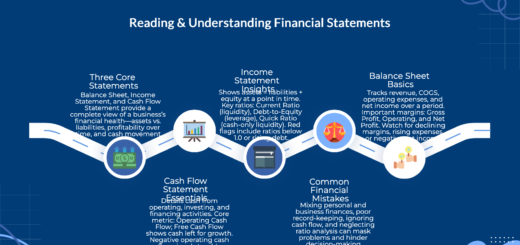
The material identifies poor cash-flow management as one reason a profitable business can fail. If cash does not arrive when payments are due, the business may struggle to survive even when its accounts show profit.
Other factors identified include excessive debt, rising costs, unsustainable growth and non-cash expenses.

These examples give teachers an opportunity to demonstrate why students should not judge a business using only one financial measure.
Other risks students should understand
The supplied material also identifies poor financial planning, changes in market and economic conditions, fraud and mismanagement, unpaid receivables and a lack of emergency funds.
WANT TO PASS 2027 BECE? REGISTER FOR BECE HOME MOCK
Register your ward for Ghana's premier Home Mock service, active since 2022.
Each factor can affect a business’s ability to meet financial commitments.
For students, the lesson is that financial analysis involves examining several connected areas rather than focusing only on revenue or profit.

A useful teaching principle
The material concludes that strong cash flow, sound financial management and solid planning are all important.
This provides a useful classroom distinction:
Profit is a measure of performance, but cash is essential for meeting immediate obligations.
Business students should therefore learn to ask not only whether a business is profitable, but also whether it has sufficient cash, manageable debt, controlled costs and effective financial planning.
Suggested Internal Links: