Ghana is Currently a Hotspot for Corruption Under Nana Addo
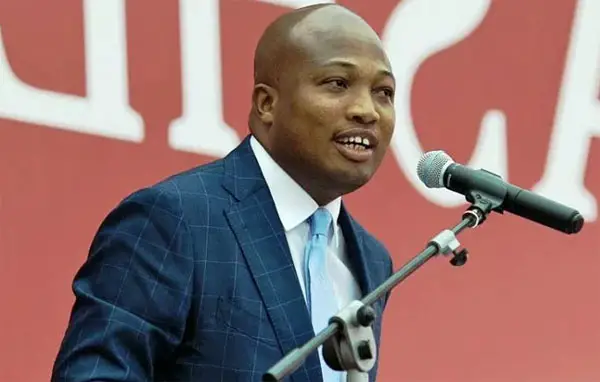
The North Tongu Member of Parliament has voiced concerns about Nana Addo Dankwa Akufo-Addo’s corruption leadership of Ghana.
According to him, Ghana is currently a free-for-all nation without elders to make sure that checks are made.
Renowned investigator Samuel Okudzeto Ablakwa claimed that the government has left everyone to plunder the nation.
Okudzeto Ablakwa is concerned that the administration has been involved in multiple dishonest transactions, given that the government made a pledge to the Ghanaian people to combat corruption.


Regarding the problems with the National Cathedral, which he has been looking at for a while, he said that a commission of inquiry into the project’s financial costs has to be established by a future government.

The average cash bribe given to public officials in Ghana conceals significant variations in the amount of cash bribes, as stated in the section ahead on “How Bribery Works.” These variations are caused by a variety of factors, including the area where bribes are paid, the service sought at the time of payment, and the economic justifications for the bribes. In a similar vein, the magnitude of bribes varies greatly depending on the kind of public figure receiving them.
The highest cash bribes, amounting to an average of GHC 1,669 across all public official categories for which there was adequate data, were given to Lands Commission Officers, as well as prosecutors, judges, or magistrates (GHC1,208). By contrast, much smaller average amounts were paid to health workers (GHC 91–253) and police officers (GHC 220).
ALSO READ: President Akufo Addo is equal to corruption and economic incompetence -Prof. Steve Hanke

Interactions with workers in the private sector about corruption
Additionally, the poll asked respondents about their interactions with six different private sector personnel in private hospitals, including physicians, nurses, midwives, and other paramedics, teachers, instructors and instructors at private schools, staff members at private banks, and personnel in private insurance firms, private security personnel, and other workers in private corporations.

Regarding the rate of contact, 20.9 percent of participants in the study state they have interacted with staff members of private banks, 17.4% with educators at a private school, and 16.8% with medical personnel in private hospitals. There is significantly less contact with other employees in the private sector.
Compared to the public sector, where the contact rate is 51.3%, private institutions have substantially lower rates of interaction with teachers, lecturers, and professors. Comparably, only 16.8% of survey participants reported having contact with medical professionals employed in the private sector, compared to 60.2% of respondents who reported having contact with physicians, nurses, or midwives at public sector facilities in the 12 months before to the poll.
MORE STORIES: Ghana now a corruption hub under Akufo-Addo – Ablakwa
“Under the current Bawumia-Addo, the corruption under Nana Addo administration, what is happening is akin to a free-for-all. There isn’t an elder present. It seems like a looting army has invaded our country, as everyone is going on a rampage. 87% of the road contracts they awarded were non-competitive, single-sourced contracts. It’s not me talking, the Ghanaian Auditor General,” he declared.