I am vs. I’m: Understanding the Difference and When to Use Each One
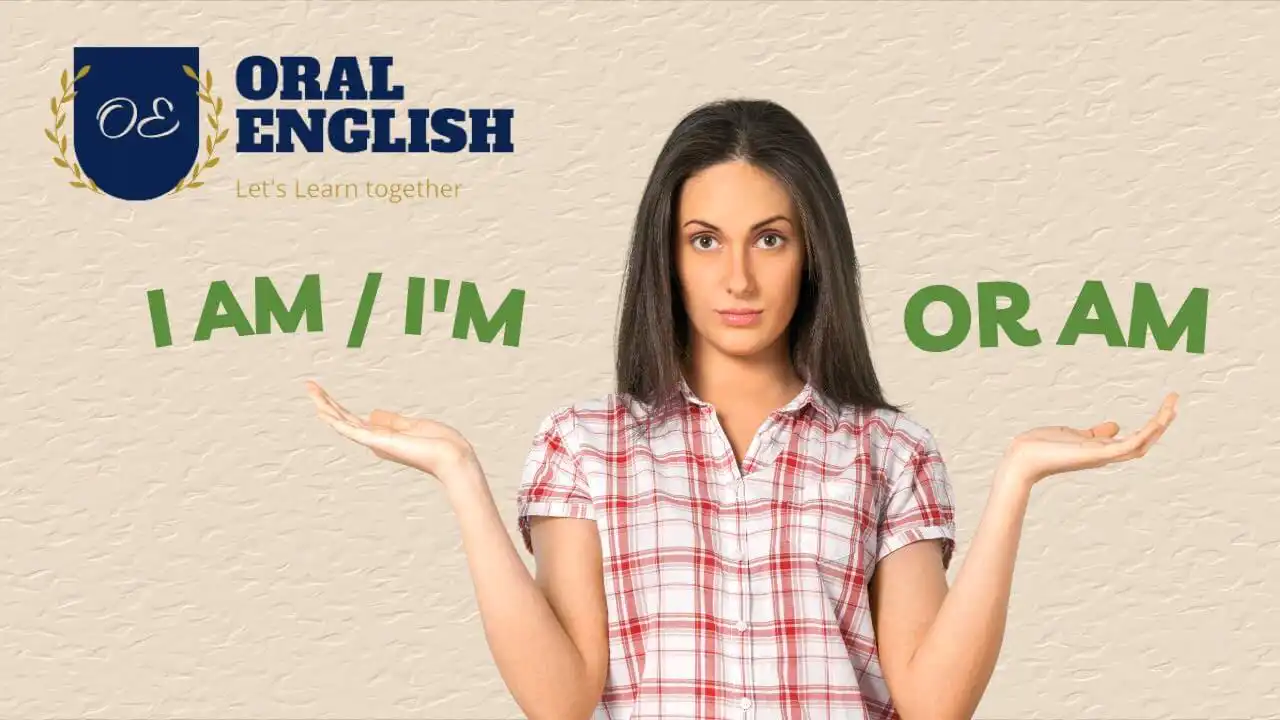
The English language can be confusing at times, especially for non-native speakers who are still trying to master its nuances. One of the most common sources of confusion is when to use “I am” versus “I’m.”
Both phrases mean the same thing and can be used interchangeably in most cases. However, there are some subtle differences between the two, and knowing when to use each can help you sound more natural in your speaking and writing.
“I am” is the full form of the verb “to be” in the first-person singular. It is more formal and can be used in a variety of situations, such as when introducing yourself or expressing your feelings or thoughts. For example, “I am a teacher” or “I am feeling tired today.”
On the other hand, “I’m” is a contraction of “I am” and is a more informal way of expressing the same idea. It is commonly used in spoken English, informal writing, and social media, where brevity and informality are more common. For example, “I’m a teacher” or “I’m feeling tired today.”
When deciding whether to use “I am” or “I’m,” consider the context and level of formality of the situation. In formal situations such as job interviews, speeches, or academic writing, it is best to use “I am.” This shows a higher level of professionalism and respect for the occasion.


Conversely, in informal situations such as social events or casual conversations, “I’m” is more appropriate. It is also commonly used in text messages, emails, and social media posts.
However, even in informal situations, it is important to use proper grammar and avoid excessive contractions, which can make your writing appear sloppy or lazy.

In conclusion, “I am” and “I’m” are interchangeable in most situations. However, “I am” is more formal and can be used in a wider range of contexts, while “I’m” is more informal and is best suited for casual conversations or informal writing.

By paying attention to the context and level of formality, you can choose the most appropriate phrase and communicate more effectively in English.
READ ALSO: GES Releases New Date For 2023 BECE; Check Out The Date And Time Table