NaCCA Begins Review of 2019 Basic Education Curriculum
Seven years after the release of the new Common Core Curriculum for Kindergarten to Primary Six, the National Council for Curriculum and Assessment (NaCCA) has officially commenced activities towards its review.
The newly introduced curriculum, which was described as unplanned and wrongly timed, came without textbooks and related teaching and learning materials. However, 7 years on, a lot has changed in terms of textbooks and materials.
Notwithstanding, the curriculum, which was introduced in the 2019/2020 academic year, is due for revision in line with national policy and new government priorities. The recommendations of the Curriculum Steering Committee and Technical Working Group will shape future decisions and direction of the education sector at the basic school level.
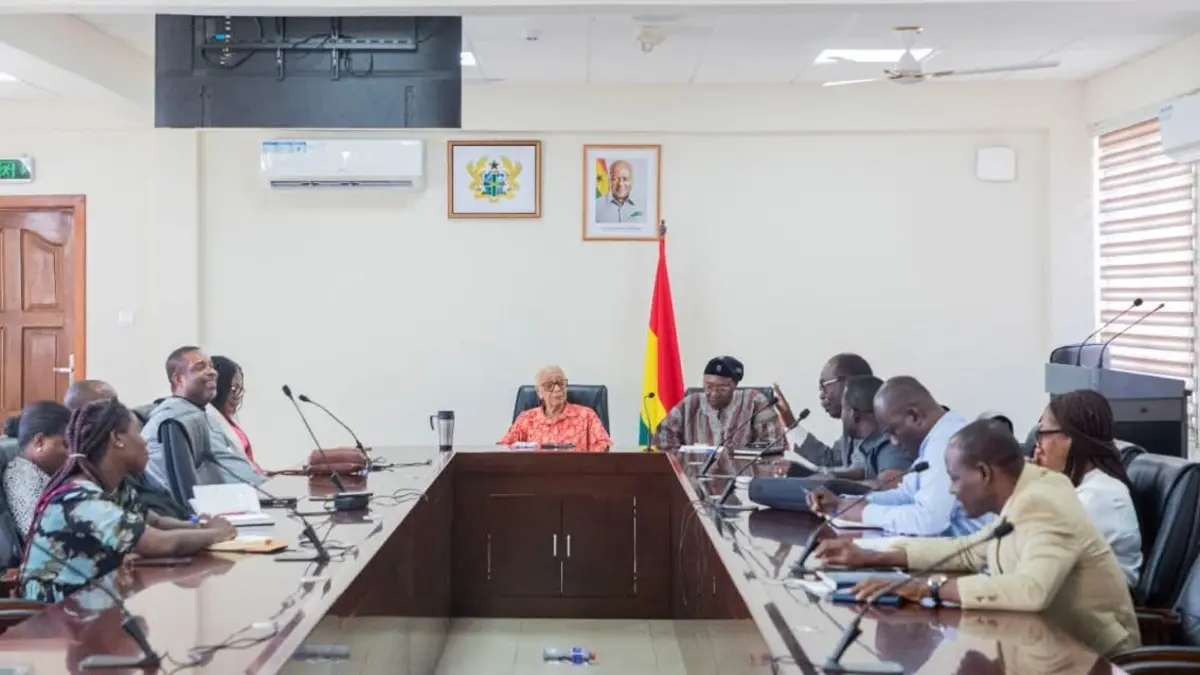
The Curriculum Steering Committee and Technical Working Group meeting was held on 12th March 2026 at the Ministry of Education in Accra to receive a report from a NaCCA Research team that had conducted an evaluation of the current curriculum.
This meeting was part of a series of engagements by the Steering Committee to receive updates and briefings on the progress of the review process.
READ: All Subject Teachers Guide, Textbooks, Lesson Plans and Starters for Download
This review aims to ensure that the curriculum remains responsive to evolving educational needs and relevant to the Ghanaian socio-cultural context. It focuses on integrating Ghanaian culture and values in the curriculum and strengthening competencies that support quality learning outcomes.
Over the last few years, several textbooks and manuals have sparked national outrage in Ghana, leading to their immediate withdrawal by the National Council for Curriculum and Assessment (NaCCA). These incidents often involved issues of tribal stereotyping, historical distortion, or controversial social definitions.
READ: Download New JHS Curriculum – COMMON CORE PROGRAMME CURRICULUM

Here are the most significant cases involving specific books and publishers:
1. Badu Nkansah Publications – The Book: History of Ghana Textbook 3
- The Controversy (2021): This book became a major national issue due to content that was seen as stereotypical and offensive toward the Ewe ethnic group. Specifically, it included a “song” about Ewe identity that was widely condemned as derogatory.
Outcome: NaCCA ordered an immediate withdrawal. The publisher issued an unreserved apology, claiming that an unapproved draft had accidentally leaked into the market.
2. Golden Publications
The Books: History of Ghana for Basic 6 and Golden English Basic 4
The Controversy (2021): * The History book was criticized for what was described as a “distasteful depiction” of Dr. Kwame Nkrumah and the CPP, which many felt belittled the legacy of Ghana’s first president.
The English book was flagged for similar inappropriate references to personalities and ethnic groups.
Outcome: The books were withdrawn, and the publisher was directed to issue an apology across print and electronic media.
3. Senior High School (SHS) PE Teacher Manual
The Document: Physical Education (PE) Teacher’s Manual for SHS 2
The Controversy (2026): Just recently, in January 2026, a massive controversy erupted over the inclusion of definitions related to gender identity and LGBTQ+ terms in a teacher’s manual.
Political Fallout: This led to a heated clash in Parliament. Minority members demanded the dismissal of the NaCCA Director-General, while the government reaffirmed its stance on a binary definition of sex in the education system.
Outcome: NaCCA recalled the manuals, issued a public apology, and launched a comprehensive audit of all curriculum materials.
4. New Golden Publications
The Book: The Golden History of Ghana (Basic 6)
The Controversy (2021): Similar to the Golden Publications issue, this book was accused by the chiefs and people of Nzemaland of distorting history and disrespecting the patriotism of Dr. Kwame Nkrumah.
Outcome: Stakeholders threatened legal action, leading to orders for the book’s retrieval and destruction.
The primary challenges NaCCA has faced with these publishers include:
Unauthorized Distribution: Publishers releasing “draft” versions to the market before final approval.
Tribal Stereotyping: Content that reinforces negative biases against specific Ghanaian ethnic groups.
Historical Revisionism: Portrayals of national figures (like Nkrumah) that spark political and social backlash.
Cultural Alignment: Smuggling in social concepts (like gender identity) that conflict with prevailing national laws and cultural norms.