Private school teachers to receive laptops
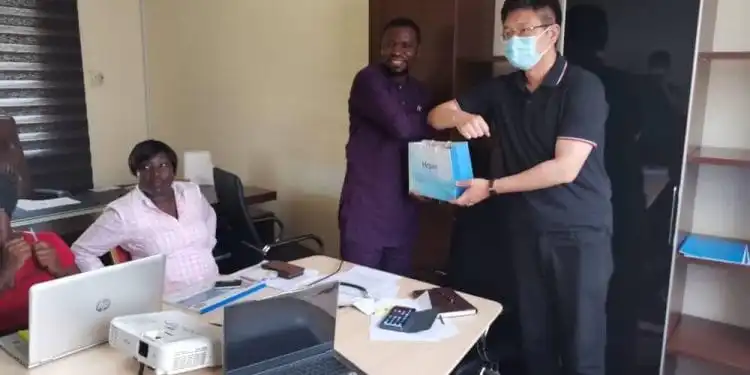
Private school teachers would receive laptops as part of efforts by the Ghana National Council of Private School (GNACOPS) leadership to support teachers to deliver quality teaching in schools.
An initial 5,000 laptops are expected to be delivered by the suppliers for distribution to qualified members of (GNACOPS).
The initiative is aimed at assisting private school teachers to be “proficient with incorporating the technological way of lesson delivery to the already existing teaching pedagogies” according to GNACOPS.
“As part of the government’s effort to ensure a successful implementation of the New Standards-Based Curriculum and to strengthen Digital Literacy Education, teachers are expected to be proficient with incorporating the technological way of lesson delivery to the already existing teaching pedagogies. Private Schools Teachers have over the short period of time has demonstrated a hunger for the access of devices such as laptops to help meet the Standards the New Curriculum looks out for,” part of a statement issued by the Council’s Communications Director, Samuel Nyamekye, reads.
The GNACOPS broke the deal to supply private school teachers with laptops with agencies in China and the United States of America to make the laptops available to its members.
DOWNLOAD: SOCIAL STUDIES QUESTIONS AND ANSWERS BY GHANAEDUCATION.ORG
The leadership of GNACOPS has been in contact with the agencies and the specifications, manufacturing details, and timelines for the delivery of the first 5000 laptops have been established.
DOWNLOAD: BECE Past Questions with Answers Download: Mathematics, English, Science, RME and Social
In a related development, public school teachers are also expected to start receiving their laptops across the country. Teachers will be required to pay 30% of the cost whiles government takes care of the remaining 70%.

Source: Ghanaeducation.org