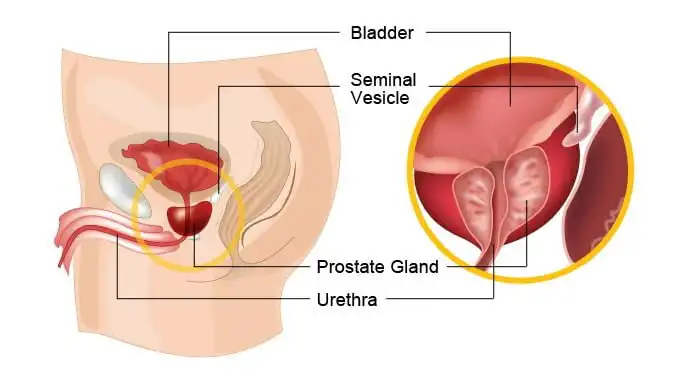
Prostate cancer is a common type of cancer that affects men, and while it can be a serious condition, it is often treatable if caught early. Understanding the risk factors for prostate cancer can help men make informed decisions about their health and take steps to reduce their risk of developing this disease.
Risk Factors of Prostate Cancer
Age
One of the most significant risk factors for prostate cancer is age. Prostate cancer is rare in men under the age of 50, but the risk of developing the disease increases significantly as men get older. By age 60, approximately one in six men will have prostate cancer, and by age 80, almost half of all men will have some form of the disease.
Family history
Another important risk factor for prostate cancer is family history. Men who have a father, brother, or son who has been diagnosed with prostate cancer are more likely to develop the disease themselves. The risk is even higher if the relative was diagnosed at a younger age or had an aggressive form of the disease.
Genetics
While the exact causes of prostate cancer are not fully understood, it is believed that genetics may play a role. Researchers have identified several genes that may increase a man’s risk of developing prostate cancer. Mutations in these genes can be passed down through families and increase the risk of developing the disease.
CHEAP NON-EXPIRING DATA
Buy affordable data bundles that never expire. Reliable and Instant Delivery!
BUY CHEAP DATA NOWRace and ethnicity
Prostate cancer is more common in some racial and ethnic groups than others. African American men have the highest risk of developing prostate cancer and are more likely to be diagnosed at an advanced stage of the disease. Men of Hispanic and Asian descent have a lower risk of developing prostate cancer than non-Hispanic white men.
Diet and lifestyle
While genetics and age are significant risk factors for prostate cancer, diet and lifestyle factors may also play a role. Studies have shown that men who consume a diet high in red meat and saturated fat may be at a higher risk of developing prostate cancer, while those who eat a diet rich in fruits and vegetables may have a lower risk. Risk Factors of Prostate Cancer Can be tricky sometimes.
EXCEL IN YOUR EXAMS
Get instant access to the most reliable Mocks and Marking Schemes.
BUY TOP 2026 BECE MOCKS AND ANSWERS
Regular exercise may also help to reduce the risk of prostate cancer. Men who are physically active may have a lower risk of developing the disease than those who are sedentary.
READ: How To Check Your 2023 And 2024 DV Lottery Status
Reducing Your Risk of Prostate Cancer: Other factors
There are several other factors that may increase a man’s risk of developing prostate cancer. Other Risk Factors of Prostate Cancer include:
- Exposure to certain chemicals, such as Agent Orange, a herbicide used during the Vietnam War
- Having a sexually transmitted infection, such as gonorrhea or chlamydia
- Having a high body mass index (BMI)
- Having diabetes
- Taking certain medications, such as testosterone replacement therapy
- Reducing your risk of prostate cancer
While some risk factors for prostate cancer, such as age and family history, cannot be changed, there are steps men can take to reduce their risk of developing the disease. These include:
- Eating a healthy diet that is low in red meat and saturated fat and high in fruits, vegetables, and whole grains
- Maintaining a healthy weight through regular exercise and a balanced diet
- Getting regular check-ups and screenings for prostate cancer, especially if you are at higher risk due to age or family history
- Quitting smoking, as smoking has been linked to an increased risk of developing aggressive forms of prostate cancer
- Avoiding exposure to chemicals and toxins whenever possible, especially if you work in an industry that exposes you to these substances
prostate cancer is a common type of cancer that affects men, but understanding the risk factors for the disease can help men take steps to reduce their risk of developing it. Age, family history, genetics, race and ethnicity, diet and lifestyle, and other factors can all play a role in prostate cancer risk. By making healthy lifestyle choices, getting regular screenings, and avoiding exposure to harmful substances, men can take control of their health and reduce their