Sexual Misconduct And The Question Of Teacher Standards In Ghana: A Growing Concern

Sexual Misconduct And The Question Of Teacher Standards In Ghana Is Now A Serious Growing Concern That Needs Urgent Strategic Choices and Action To Halt The Trend Before It Gets Out Of Hand. In this article, Mr. Seth Anyormi, The Public Relations Officer For Ga East Municipal Education Directorate Write.
A nail in the coffin in the education sector
Ghana’s education sector has long faced familiar challenges: crumbling infrastructure, inadequate resources, delays in funding, teacher shortages, and weak quality assurance systems. For decades, these problems have dominated national discourse. But today, an equally disturbing crisis has emerged and is threatening to overshadow them all — sexual misconduct among teachers.
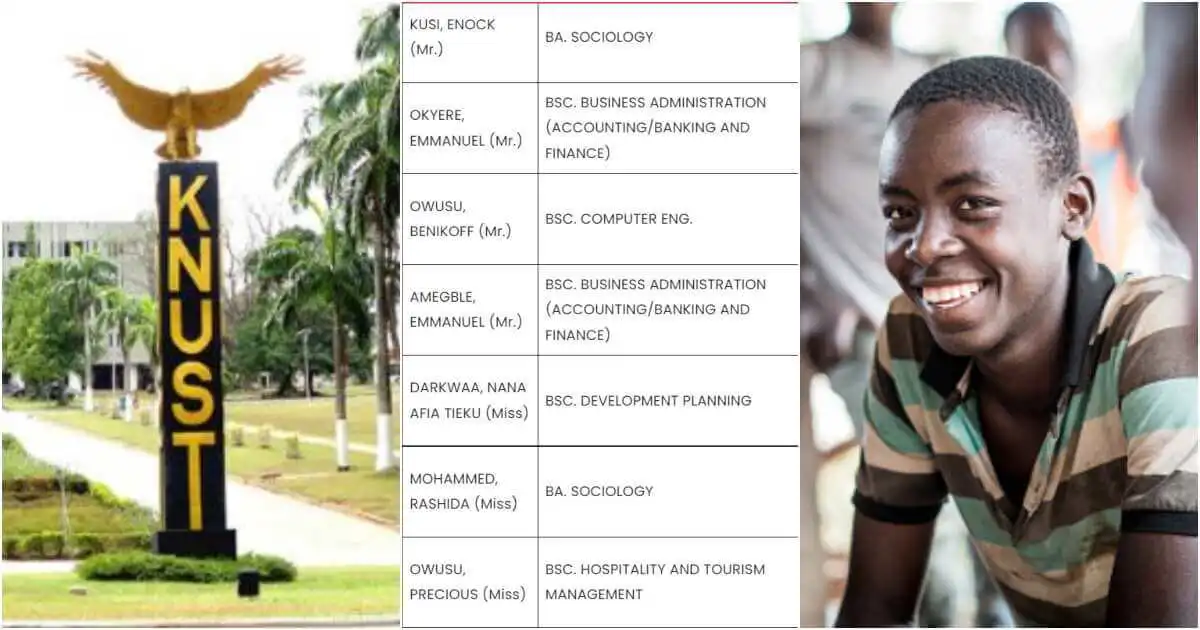
The rising number of cases involving teachers exploiting schoolgirls is alarming. What makes it worse is the speed at which these incidents are being reported — almost like a marathon with no finish line. From KNUST SHS to Okadjakrom SHTS, and undoubtedly others yet to make the headlines, the trend is deeply troubling.
The Ghana Education Service (GES) has responded commendably by interdicting accused teachers, conducting investigations, and adopting a bold “name and shame” approach. Under the GES Code of Conduct, offenders face dismissal, while the law makes room for possible criminal prosecution. These are necessary steps — but they only scratch the surface of a much larger problem.
*Where Do Dismissed Teachers Go?*
Here lies the irony: teachers dismissed from the public sector often end up in private schools. If they are deemed unfit to teach in government classrooms, are they suddenly fit to guide Ghana’s children in private institutions? I recall a teacher who was dismissed from the GES for sexual misconduct in the Ga East Municipality. Within just a week, he was gainfully employed by a private school in the same Municipality. The loophole could not be more glaring.
Think of the legal profession. If the General Legal Council withdraws a lawyer’s license, that individual is barred from practicing law anywhere in Ghana. The same applies to doctors — once stripped of their license, they cannot practice in any hospital. Why then should teaching, which arguably has the most direct impact on children’s moral and intellectual growth, be treated differently?
By allowing dismissed teachers to resurface in private schools, the system undermines its own credibility and betrays parents who entrust their children to schools — both public and private — expecting safety and quality education.
Lessons from Christendom: The Dangers of No Regulation
This problem is not unique to education. In a viral sermon, Venerable Pastor Mensa Otabil of ICGC lamented how standards in Christendom have eroded. In orthodox churches, titles like bishop require years of training, mentorship, and scrutiny.
In some charismatic circles, however, anyone can rise overnight and self-declare the title “Bishop” — without oversight or accountability.
Otabil asked rhetorically: “What would happen if someone woke up one morning and declared themselves a lawyer?” The answer is clear: such a person would never be allowed to practice.
The parallel with teaching is striking. Traditionally, one could only be called a teacher after rigorous training in a College of Education or university.
But today, many private schools are filled with self-styled “teachers” who lack professional training or certification. Some of these individuals lack not just skills, but also the moral compass to mentor children.
The result is a profession increasingly diluted, disrespected, and dangerous.
READ: Mother tongue for instruction limited to KG to Primary 3 – Education Ministry clarifies
The Constitutional Lens
It is important to revisit Article 25 of the 1992 Constitution, which affirms the right of private citizens to establish and maintain schools at all levels. This freedom is vital for educational diversity. But it does not confer the right to employ unqualified or unlicensed individuals as teachers. Education is not a business where shortcuts are acceptable. It is a sacred trust — one that shapes the minds, characters, and futures of young Ghanaians. Allowing schools, whether public or private, to employ unqualified staff is a violation not only of professional ethics but also of the spirit of the Constitution itself.
The Regulatory Mandate: Who Guards the Gate?
To protect the integrity of education, Ghana’s regulatory bodies must rise to the occasion. Three institutions are especially critical:
1. National Teaching Council (NTC): The NTC must ensure that only licensed teachers stand in classrooms. The teacher’s license should be treated with the same seriousness as a lawyer’s practicing certificate or a doctor’s medical license. Without a license, one should not be allowed to teach anywhere in Ghana.
2. National Schools Inspectorate Authority (NaSIA): NaSIA must intensify inspections in private schools, not only checking for infrastructure compliance but also verifying teacher qualifications. A school without licensed teachers should face sanctions or closure.
3. Ghana Education Service (GES): Beyond interdictions and dismissals, GES must collaborate closely with NTC and NaSIA to ensure dismissed teachers cannot recycle themselves back into the system through private schools.
Unless these bodies coordinate effectively, dismissed or unqualified teachers will continue to find loopholes — and Ghanaian children will continue to pay the price.
The Ripple Effects: Education Beyond Teaching
Sexual misconduct by teachers is not just about the victims — though the harm they endure is severe and lasting. The damage reverberates across the education sector.
• Loss of trust: When learners lose faith in teachers, classroom discipline and the learning environment collapse.
• Parental fear: When parents fear for their children’s safety, school enrollment and participation suffer.
• Professional decline: When society questions the moral standing of teachers, the profession loses its dignity, making it harder to attract and retain the best talents.
The teaching profession is not just about delivering lessons. It is about shaping character, nurturing confidence, and inspiring hope.
Teachers are role models, mentors, and second parents. When this sacred trust is broken, the consequences are immeasurable.
Practical Solutions: Closing the Loopholes
To address the growing crisis, Ghana must act decisively:
1. National Teacher Registry: A centralized and publicly accessible database of licensed teachers should be established. Schools must verify all teaching staff against this registry.
2. Blacklist of Dismissed Teachers: Teachers dismissed for misconduct must be permanently blacklisted and prevented from re-entering the classroom — in both public and private institutions.
3. Community Vigilance: Parents and community members should demand transparency from schools regarding the qualifications and licensing status of their teachers.
4. Moral Education: Alongside academic training, teacher education programs must emphasize ethics, mentorship, and the moral responsibilities of educators.
5. Public Campaigns: A nationwide campaign to restore respect and dignity to teaching is essential. Teachers must be reminded of their calling, and society must renew its reverence for the profession.
A Call to Action
The future of Ghana rests on the shoulders of today’s learners. Allowing unqualified or morally bankrupt individuals to infiltrate the teaching profession is a betrayal of our children and our nation’s destiny. We must go beyond punishing misconduct — we must close the loopholes that enable it. Discipline, professionalism, and regulation must become non-negotiable pillars of the education system. The teaching profession is too sacred, too central to national development, to be left in the hands of the unfit. Ghana must act now — before the coffin is sealed completely.
By Seth Anyormi
Public Relations Officer, Ga East Municipal Education Directorate. 0244946997