Registration Opens: Join the 2026 BECE Home Mock to Secure Grade 1s JOIN NOW ×

Ghana’s education system is not far from a scam – Cheddar explains

Ghana's education system

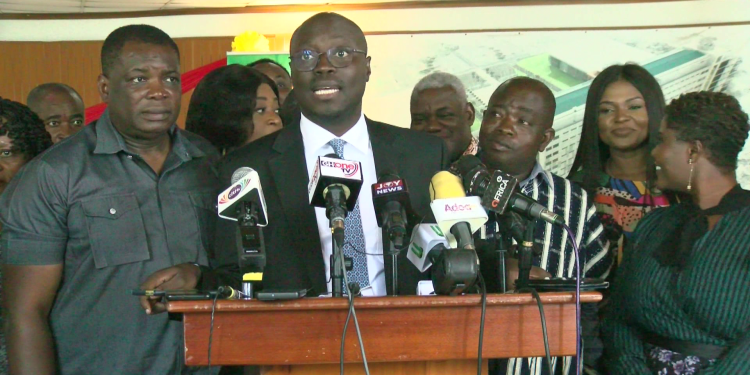
Nana Kwame Bediako, popularly known as Cheddar, the leader of The New Force political movement, has recently leveled significant criticisms against Ghana’s current education system.

In his statements, he describes the system as being “not far from a scam,” highlighting a series of shortcomings that he believes undermine the country’s educational framework and, by extension, its future.

One of the critical issues Cheddar points out is the curriculum’s heavy reliance on foreign content and languages, particularly English, at the expense of local dialects and indigenous knowledge.

This preference for the foreign over the local, he argues, not only diminishes the value and standing of Ghana’s cultural heritage but also alienates students from their own identity and potential fields of innovation, particularly in areas like gold processing and agricultural development, which are vital to Ghana’s economy.

ALSO READ: UMat Inaugurates New Governing Council

Cheddar’s critique extends to the outcomes of this educational system. He observes that despite the years of schooling, which can extend up to 21 years for those pursuing higher education, many graduates find themselves without employment.

This situation, he suggests, points to a systemic failure: an educational system that prioritizes degrees over practical impact and skills development.

Furthermore, he notes the limited international recognition of Ghanaian certificates, which constrains graduates’ opportunities abroad, effectively trapping them in a cycle of unemployment and underemployment.

These observations are not just academic or rhetorical for Cheddar. They form part of his broader political and social vision for Ghana, as he prepares to challenge prominent figures like John Dramani Mahama of the National Democratic Congress (NDC) and Dr. Mahamudu Bawumia of the New Patriotic Party (NPP) in the upcoming 2024 elections.

For Cheddar, reforming the educational system is likely a cornerstone of his platform, reflecting a broader critique of current governance and a vision for a more self-sustaining and internally focused Ghana.

As the 2024 election draws near, with the vote scheduled for December 7, the education system’s adequacy and orientation are set to become key issues.

Cheddar’s critique resonates with widespread concerns about education’s role in national development and individual empowerment, suggesting that the debate over Ghana’s educational future will be both vigorous and consequential.

Share Our Post on The Topic ‘ Ghana’s education system is not far from a scam – Cheddar explains’.

To Read More Stories, Click Here.

We’ll soon begin impeachment processes against Akufo-Addo – Minority

Impeachment processes akufo-Addo

The Minority in the Parliament of Ghana has decided to begin impeachment processes against the current president of Ghana Nana Addo Danquah Akufo-Addo.

The political landscape in Ghana is heating up as the Minority in Parliament gears up for a monumental move against President Nana Akufo-Addo.

At the heart of this brewing storm is the President’s reluctance to endorse the controversial anti-gay bill, which has sparked significant debate across the nation.

The Minority’s announcement signals a significant escalation in the ongoing battle between the government’s executive branch and its legislative counterpart over LGBTQ rights in Ghana.

Minority Leader Dr. Cassiel Ato Forson has been vocal about the Minority’s dissatisfaction with the President’s stance.

He specifically pointed to a directive from the Secretary to the President, which effectively halted the transmission of the anti-LGBTQ bill to the Jubilee House, labeling it as both “uncalled for” and “unacceptable.”

This move by the executive has not only angered members of the opposition but has also raised concerns about constitutional breaches and the undermining of Ghana’s democratic processes.

Dr. Forson’s declaration in Parliament on Thursday, March 21, underscores a deep commitment to upholding the constitution and safeguarding the nation’s legislative integrity.

The opposition views the President’s actions as a direct threat to the societal and moral fabric of Ghana, emphasizing the need for swift and decisive action to rectify what they perceive as a grave constitutional violation.

ALSO READ: Return to the negotiation table – Fair Wages and Salaries Commission to teacher unions

The potential impeachment of President Akufo-Addo marks a critical juncture in Ghana’s political discourse, especially on sensitive issues like LGBTQ rights.

The Minority’s readiness to initiate impeachment proceedings highlights the deep divisions and the high stakes involved in this legislative confrontation.

As Ghana finds itself at a crossroads, the coming days promise intense political maneuvering and debates.

The Minority’s move to impeach the President over his handling of the anti-gay bill could set a precedent for how contentious social issues are addressed in the country’s political arena.

It also raises important questions about the balance of power between the executive and the legislature, the role of the constitution in governing such disputes, and the impact of this political saga on Ghana’s international image.

This unfolding drama in Ghana’s Parliament is more than a political skirmish; it’s a reflection of the broader societal debates surrounding human rights, democracy, and the rule of law.

As the Minority prepares to take unprecedented steps, all eyes will be on the Jubilee House and the halls of Parliament to see how this historic confrontation unfolds.

Share Our Post on The Topic ‘ We’ll soon begin impeachment processes against Akufo-Addo – Minority’.

To Read More Stories, Click Here.

Ghana ’s Economic Downturn Not Only Due to COVID-19 But also Excessive Spending – IMF

Ghana’s excessive spending IMF

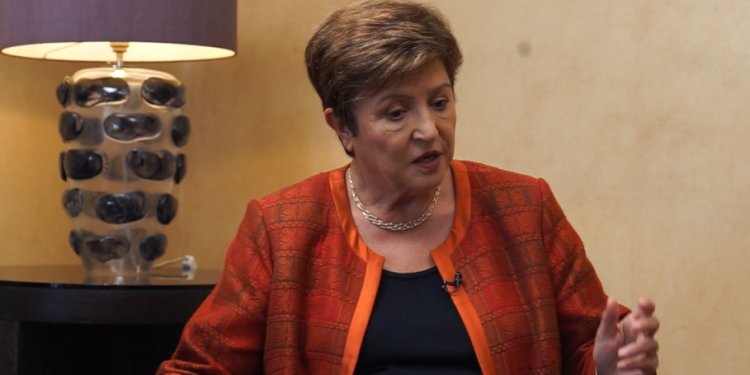
In a revealing interview with Accra-based Citi TV, the Managing Director of the International Monetary Fund (IMF), Kristalina Georgieva, shed light on the multifaceted economic challenges faced by Ghana, the excessive spending.

According to her, the West African nation’s economic downturn cannot solely be attributed to the devastating impacts of the COVID-19 pandemic.

Georgieva pointed out that the country’s financial woes were exacerbated by excessive government spending, particularly noticeable during election periods.

This combination of factors has led to a complex economic scenario that demands attention and strategic reforms.

The COVID-19 pandemic, as acknowledged worldwide, placed unprecedented strain on global economies, disrupting supply chains, halting economic activities, and pushing millions into poverty.

Like many countries, Ghana was not spared from these adverse effects.

However, Georgieva’s comments highlight an additional layer of financial imprudence linked to electoral cycles, suggesting that the economic fallout could have been mitigated with more disciplined fiscal management.

ALSO READ: Pakistan Accused of Killing Eight Women and Children in Afghanistan Air Strikes

Madam Georgieva emphasized the critical lesson for emerging markets from Ghana’s experience: the importance of reforming policies to better manage external vulnerabilities.

She underscored the need for these markets, including Ghana, to adopt strategic measures that safeguard against such economic pitfalls in the future.

A key aspect of Georgieva’s message was the call for transparency and the alignment of policies with the citizens’ expectations. She argued that for countries like Ghana, economic growth is intrinsically tied to how policies are formulated and implemented, insisting on the need for institutions to function transparently and effectively for the people.

According to her, nothing boosts a country’s macro-economic and financial performance more than strong, transparent, and accountable governance.

In summary, Georgieva’s interview serves as a critical reminder of the consequences of excessive spending, particularly in times of electoral politics, on a nation’s economy.

Her call to action for Ghana, and by extension other emerging markets, is to draw lessons from past mistakes and apply them towards achieving sustainable economic growth.

The path forward, as outlined by the IMF’s Managing Director, involves strategic policy reforms, institutional transparency, and a commitment to meeting the expectations of the populace, ensuring that countries are better positioned to manage both expected and unforeseen challenges in the future.

Share Our Post on The Topic ‘ Ghana ’s economic downturn not only due to COVID-19 but also excessive spending – IMF’.

To Read More Stories, Click Here.

Ghana To Bahamas Now Visa Free

Ghana and Malawi Now Visa Free

The Ministry of Foreign Affairs and Regional Integration has announced  that Ghana to Bahamas is now visa free. Foreign Affairs Minister, Madam Shirley Ayorkor Botchwey, revealed that the government has successfully negotiated a visa waiver agreement between the two nations.

In an official statement released on February 20, the Ghana Immigration Service (GIS) highlighted the details of the agreement. According to the statement, the Government of Bahamas has officially communicated its desire to waive visa requirements for Ghanaian travelers. The agreement encompasses all passport categories, including Diplomatic, Service, and Regular passports.

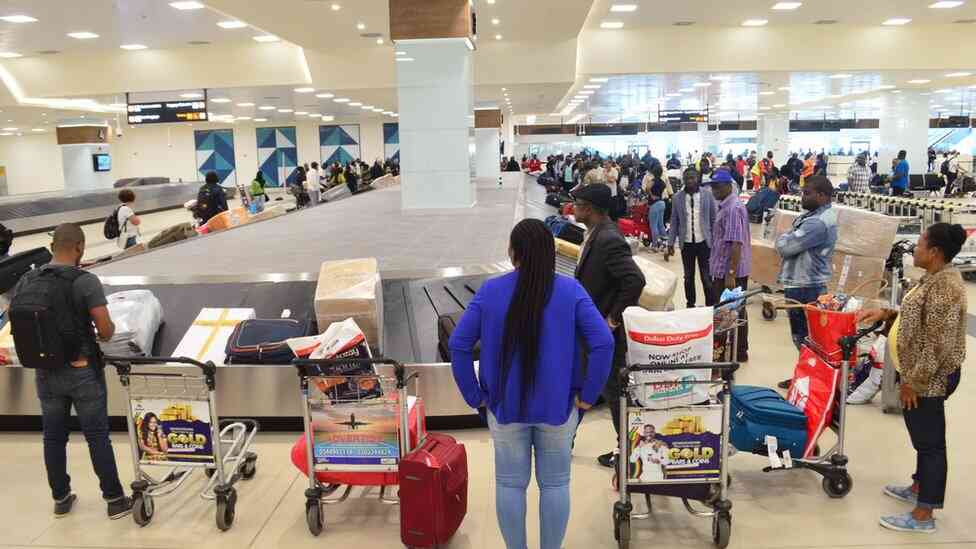
The waiver initiative aims to streamline travel procedures and alleviate potential challenges faced by Ghanaian travelers when journeying to the Bahamas. To ensure smooth implementation, relevant Ghanaian aviation authorities, airline companies, and services have been duly informed.

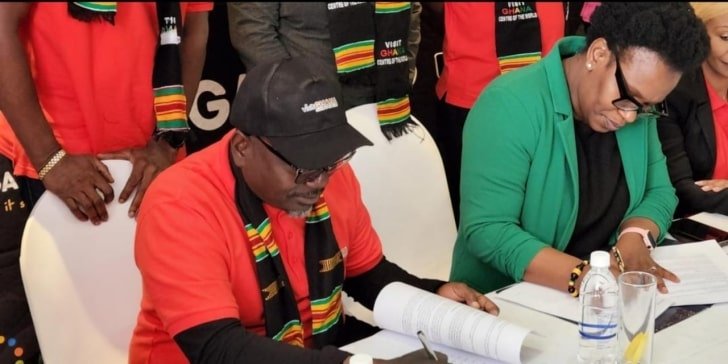
A signing ceremony, attended by H.E. Andrew Wilson, Ambassador of The Commonwealth of The Bahamas to the Republic of Ghana, and Honourable Kwaku Ampratwum-Sarpong, M.P., Deputy Minister for Foreign Affairs, marked the formalization of the agreement.

This development underscores Ghana’s commitment to fostering bilateral relations and enhancing international travel facilitation for its citizens. It also aligns with recent efforts by the government to expand visa waiver regimes with other nations, such as the recent agreement with South Africa for holders of ordinary passports.

Making visa applications free between countries is a significant step towards fostering greater connectivity, promoting tourism, and facilitating international cooperation. Firstly, eliminating visa fees encourages tourism by removing financial barriers for travelers. When countries waive visa requirements, it becomes easier and more affordable for people to explore new destinations, leading to an influx of tourists. This boost in tourism revenue can stimulate economic growth, create jobs, and support local businesses in the destination country.

Moreover, visa-free travel promotes cultural exchange and understanding between nations. When individuals can freely visit other countries without the hassle of obtaining visas, they are more likely to engage with local communities, experience diverse cultures, and exchange ideas. This cultural exchange fosters mutual respect, tolerance, and appreciation for diversity, ultimately contributing to global harmony and peace.

Additionally, visa-free arrangements can enhance diplomatic relations and bilateral ties between countries. By facilitating easier travel, nations can strengthen political, economic, and cultural connections with each other. This can lead to increased collaboration on various fronts, including trade agreements, educational exchanges, and joint research initiatives. Visa waivers can serve as a diplomatic gesture, demonstrating goodwill and a commitment to fostering mutually beneficial relationships.

Furthermore, making visa applications free aligns with the principles of equality and fairness in international relations. It eliminates discriminatory practices that may disproportionately affect citizens of certain countries based on their nationality or economic status. By treating all travelers equally and granting them the freedom to move across borders without unnecessary bureaucratic hurdles, countries uphold the values of inclusivity and global citizenship.

In conclusion, the need for countries to make their visa applications free for other countries lies in the promotion of tourism, cultural exchange, diplomatic relations, and equality. By embracing visa-free travel, nations can unlock numerous benefits for their citizens and the global community, ultimately contributing to a more interconnected and harmonious world.


Ghana, South Africa Visa Waiver Agreement To Strengthen Tourism Ties

Ghana, South Africa Visa Waiver Agreement To Strengthen Tourism Ties

The recent announcement of a visa waiver agreement between Ghana and South Africa has brought into sharp focus the prospects of mutually beneficial tourism promotion between the two countries. Both Ghana and South Africa have, in the recent past, focused on aggressive destination marketing.

In August 2022, the Ghana Tourism Authority (GTA) signed a revolutionary Memorandum of Understanding (MoU) with the Gauteng Tourism Authority of South Africa. The MoU seeks to facilitate and strengthen trade, tourism, and investment relations between Ghana and its South African counterparts.

With tourism being a high source of revenue for both countries, the tourism authorities must build on it to cooperate, exchange knowledge, and leverage their learnings to maximise their tourism potential.

The agreement highlights areas of cooperation in various sections of tourism development, including joint destination marketing, leveraging MICE (Meetings, Incentives, Conferences, Exhibitions) markets, and the exchange of best practices in professional event coordination and support for SMMEs.

Mr. Akwasi Agyeman, the Chief Executive Officer of the Ghana Tourism Authority (GTA), together with Gauteng Tourism CEO, Sthembiso Dlamini, signed this agreement, charting a new course for the nation’s tourism sector.

In 2019 alone, Ghana recorded over 18,381 South Africans visiting the country, an impressive number that keeps growing annually. “Ghana is fast becoming the holiday destination for the world, most especially in December.

“With record numbers trooping into the country, it is important to share knowledge with the continent and gain some more insights on how to manage the influx of tourists into Ghana.

“We are optimistic that this agreement will go a long way towards putting Africa and not only Ghana on the global map as the preferred destination for travel. Along with the high number of tourists also come numerous jobs for our nationals, and this is the way to go,” Akwasi Agyeman said.

More Stories : Applying for a Schengen visa for the Netherlands in Ghana

Ghana and South Africa continually sign agreements and put in place policies to facilitate easy travel and doing business with each other. The visa waiver agreement allows citizens of both countries to travel visa-free for a cumulative period of up to 90 days without recourse to work.

This agreement will take effect on November 1, 2023. This was made known by Ghana’s Ministry of Foreign Affairs and Regional Integration in a post made on the social networking platform X, where it said both countries have entered into an “agreement on a visa waiver regime for holders of ordinary passports.” “Travellers may transit through, depart from, and stay in the territory of both countries for a cumulative period of up to 90 days without recourse to work.”

JUST IN: Ghana, South Africa Agree To Visa-Free Travel

JUST IN: Ghana, South Africa Agree To Visa-Free Travel

The good news coming in is, the Republic of South Africa and Ghana, officially have agreed on a 90 days visa waiver consensus for all Ghanaian and South African passport holders.

This official visa waiver for all valid passport holders of these two countries was announced on the 13th October 2023 by the Ministry of Foreign Affairs and Regional Integration.

When Will This Visa Waiver For Passport Holders Start? 

This agreement will be effective from November 1st 2023. This mutual agreement on the visa waiver for all valid passport holders will allow all immigrants or travellers with a valid passport to move to South Africa without a visa.

Furthermore, you can only move to the country (Ghana or South Africa), for a period of 90 days. Within this period, you cannot gain employment. After exhausting the 90 days visa waiver, you will need to apply for a visa in order to move to South Africa or Ghana.

This bilateral waiver agreement will not allow migrants to work in any of the two nations, neither can they stay beyond the 90 days. If you intend to stay in the nation within this bilateral visa waiver agreement, you need to apply for a visa.

For the ordinary passport holder in these two nations, you can transit to either Ghana or South Africa for a period of 90 days. Also, you cannot work under this bilateral visa waiver agreement.

With this new bilateral agreement, it will help facilitate enormous and salient development among these to Republic countries.

Read the official release letter below; 

JUST IN: Ghana, South Africa Agree To Visa-Free Travel
Ghana, South Africa Agree To Visa-Free Travel

This new bilateral visa waiver agreement will help numerous Ghanaians and South Africans to explore the diverse culture of these two nations.

Details regarding how to transit to South Africa for a period of 90 days without a visa, will be shared on Ghanaeducation.org.

READ ALSO: Pass 2023 Private WASSCE (NovDec) With Super Mocks and Answers (Buy Here)

Ghanaians Can Travel To Over 65 Countries Without Visa – Check Out The Countries

Have you always dreamt of traveling and discovering new cultures and nationalities in different parts of the world? Well, it is now much easier than you may think, as there are many countries without visa requirements that you can visit as a Ghanaian citizen for free and at any time. If you are already thinking … Read more

Check Out The Five(5) Tallest Buildings In Ghana

Some of the tallest buildings in Ghana serve as a tourist attraction centre or serve as commercial or business purposes. At least every country can boast of one or two skyscrapers. Most people currently prefer to build their buildings or houses in a fashion, which is through storey constructions. This saves land for other commercial … Read more

The Only Month In Ghana With Three(3) Public Holidays

Speaking of holidays in Ghana, there are thirteen(13) statutory public holidays. Holidays are days set aside by custom or by law on which normal activities, especially business or work including school, are suspended or reduced. Generally, holidays are intended to allow individuals to celebrate or commemorate an event or tradition of cultural or religious significance. … Read more

Ghana Education News