What the numbers on the bottoms of plastic bottles mean, checkout harmful ones
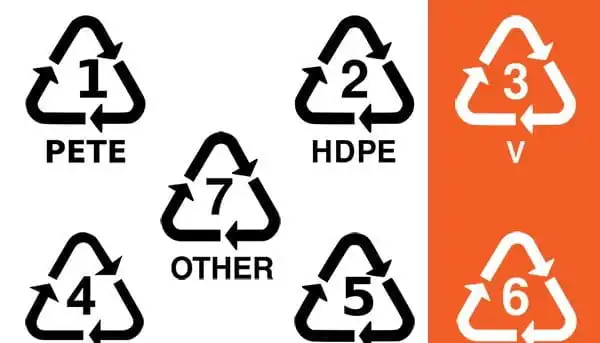
Let us have a look at what the numbers on the bottoms of plastic bottles mean. The numbers on the bottom of plastic bottles let you know the type of plastic they’re made of. The comfortable to recycle are numbers 1 and 2.
Not all plastics are built equal or out of the same element, so the Society of the Plastics Industry came up with a numbering system to help recycler understand what bottles and containers are made of. You’ve seen these numerals before they’re usually on the bottom of containers and have three chasing arrows around them. (Sure does look a lot like the recycling logo, doesn’t it?) But, just because plastic has a numeral doesn’t mean it can be thrown out into your blue bin.
What the numbers on the bottoms of plastic bottles mean
1 Polyethylene Terephthalate (PET, PETE)
Common uses: Drink and water bottles, food jars
Widely recyclable. Can be reused.
2 High Density Polyethylene (HDPE)
Common uses: Milk jugs, shampoo bottles, grocery bags.
Widely recyclable. Can be reused.
3 Polyvinyl Chloride (PVC, Vinyl)

Common uses: pipe, food containers and shrink wrap
Rarely recyclable. Should not be reused.
Health concerns: According to the NRDC: “The production and incineration of PVC releases carcinogenic dioxins into the atmosphere. Furthermore, some products, such as certain food wraps, can leach hormone-disrupting phthalates into foods.”
4 Low Density Polyethylene (LDPE)
Common uses: Dry cleaning bags, shopping bags, garbage bags, paper milk container coating
Sometimes recyclable. You’ll need to check with your community. Some cities require grocers to collect and recycle plastic shopping bags.
5 Polypropylene (PP)
Common uses: Yogurt containers, medicine bottles
Sometimes recyclable. You’ll need to check with your community.
6 Polystyrene (PS)
Common uses: Cups, plates, takeout containers
Sometimes recyclable. You’ll need to check with your community.
Health concerns: According to the NRDC: “Can leach carcinogenic styrene into liquids.”
READ: 5 Benefits of Mango You Didn’t Know
7 Other
Common uses: Reusable water jugs, oven-baking bags
Rarely recyclable.