Accounting Transactions: Teaching Students How Every Entry Changes the Equation
Understanding accounting transactions is one of the foundations of accounting education. The supplied material demonstrates this through common business transactions and their effects on assets, liabilities and equity.
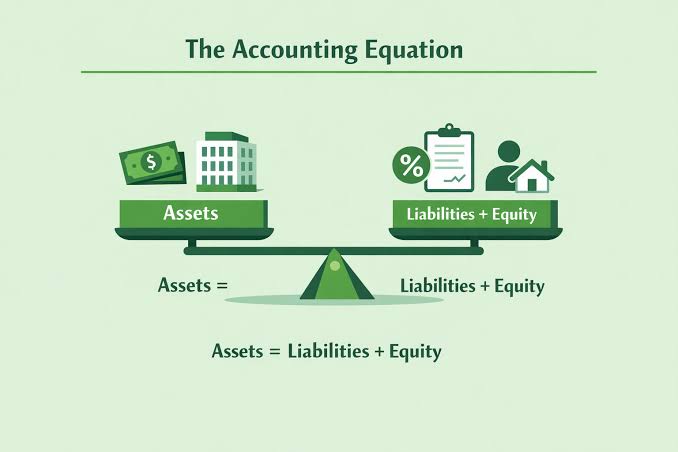
The central accounting equation is:
Assets = Liabilities + Equity
Learning through transactions
The examples show that different transactions produce different effects.

When an owner invests cash into a business, cash and equity increase.
When equipment is purchased for cash, one asset increases while another asset, cash, decreases. The transaction therefore changes the composition of assets without changing total assets.
WANT TO PASS 2027 BECE? REGISTER FOR BECE HOME MOCK
Register your ward for Ghana's premier Home Mock service, active since 2022.
Purchasing goods on credit increases inventory and accounts payable.
A cash sale increases cash and equity through sales revenue, while a credit sale increases accounts receivable and equity through sales revenue.

Why double-entry thinking matters
Other examples include receiving cash from a customer, paying a supplier, paying rent, paying salaries, taking a bank loan, repaying a loan and withdrawing cash for personal use.
The examples demonstrate an important lesson for accounting students: a transaction cannot be understood properly by looking at only one account.
Each transaction affects at least two accounting elements.
For teachers, these examples can provide a straightforward way to connect journal entries with the accounting equation. Rather than asking students to memorise debits and credits in isolation, lessons can focus on the economic effect of each transaction.
The classroom takeaway
The supplied material presents accounting as a language for understanding business activity.
Students who can identify what happened to assets, liabilities and equity are better positioned to understand why particular debit and credit entries are made.
The key principle remains:
Assets = Liabilities + Equity.
Related links:
Cash Flow Statement Explained for Business Students
Profit Is Not Enough: Teaching Students About Cash Flow
The Financial Statement Many Business Students Ignore: Why Cash Flow Matters
Can AI Replace Accountants? What Students and Teachers Need to Know